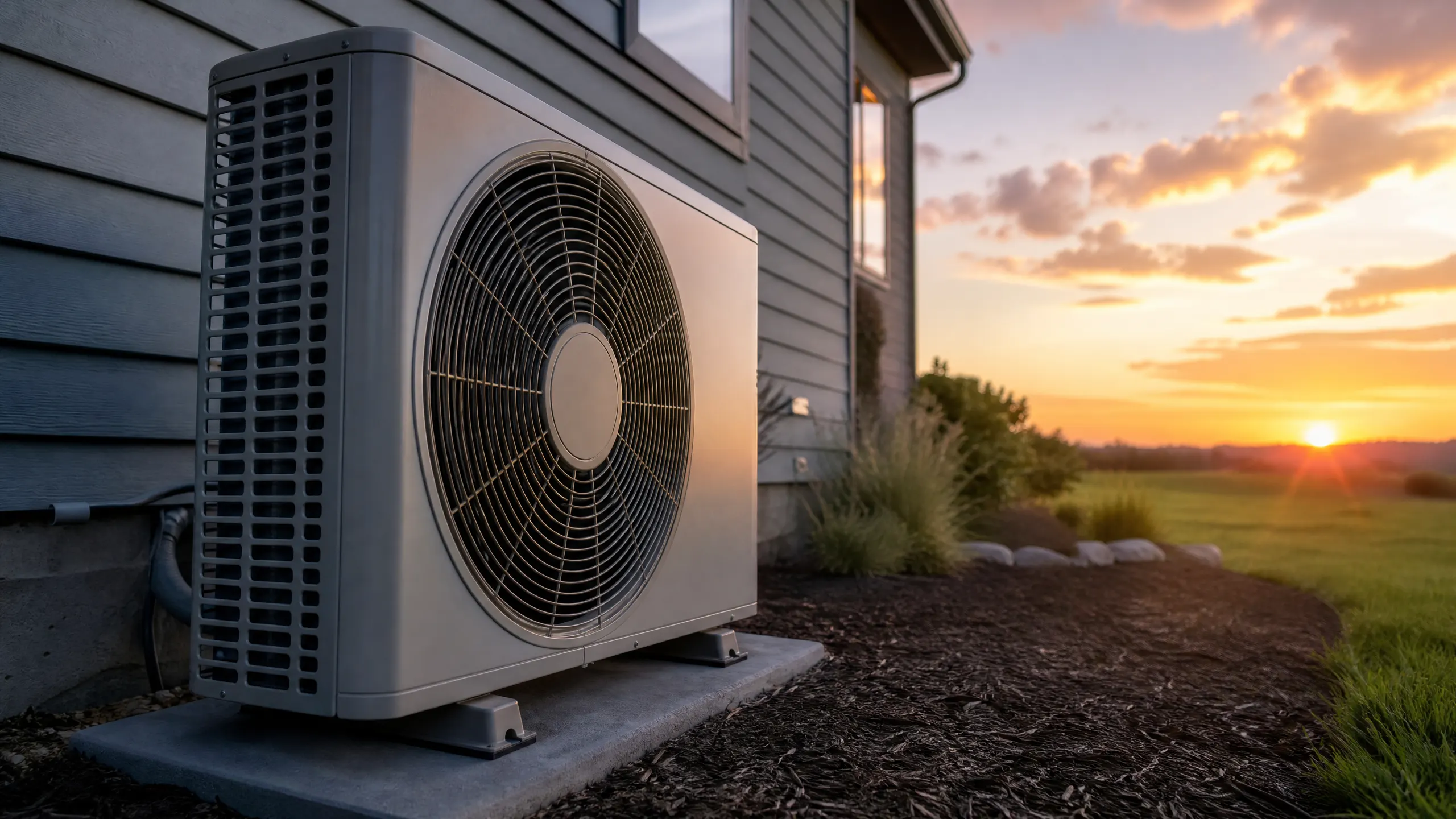






A grey residential air-conditioning condenser unit mounted on a concrete pad beside a house, photographed at sunset.

Heat Pump Installation in Lebanon, MO

Tell us about the job

Takes about a minute. No obligation.

New system or replacementHeat PumpLaclede County, MO
Step 1 of 2

What ZIP code is the job in?

Most homes in Laclede County heat with electricity, at 62.7%. Bottled or LP gas comes in second at 18.5%, with utility gas down at 11.3%. That matters here because gas lines aren't reaching most houses the way they do in bigger towns, so electric heat is already the default. A heat pump fits that pattern. It runs on electricity like the system it's likely replacing, and it handles the cooling side too, off the same unit. If your home is already wired for electric heat, a heat pump is usually a straightforward swap rather than a rework.

7 months
October through April, your system heats
4 months
June through September, it cools
25°F
the average winter night it heats against
86°F
the average summer afternoon it cools against
Isometric grey-toned illustration of a cutaway house showing interior rooms, ceiling ductwork and an air handler, connected by lines to an outdoor condenser unit beside the building.
Your system heats October through April and cools June through September.

NOAA nClimDiv, 1991–2020 normals

Electricity in Missouri ran 12.91 cents per kilowatt-hour in 2024.

A heat pump in Lebanon doesn't need to be oversized or top-tier to work well here, just sized right for the house.

Wind and hail test the ductwork, not the heat pump. Winters here don't ask much of it either.

47 damaging wind events from 2015 to 2024
50 hail events from 2015 to 2024
Winter nights average 25°F

Price moves with what the job actually asks of the crew, not just the equipment on the truck. A straight swap, same spot, same line sizes, same electrical setup, is the cheapest version of this job because most of the hard work is already done. Add a new circuit, a bigger breaker, or a line set that has to be run somewhere it wasn't before, and the labor climbs before the heat pump itself is even part of the conversation. The indoor coil matters too. If it doesn't match the outdoor unit, it gets replaced rather than reused, and that isn't optional. Ductwork is the other variable. If it was sized for the old system and the new one moves air differently, modifying it or adding a return adds real cost, and none of that shows up on the equipment's price tag.

Put it in before October, not during it

Heat here runs October through April, about seven months out of the year, with September the month just before it starts. A heat pump installed in September is in the ground and tested before it has to carry the house through a cold month. Installed in October or later, it's doing that job from day one. Getting it in ahead of the season means any adjustment happens on your timeline, not during the first cold snap.

Find a contractor
A man in a beanie, dark jacket and tan work pants climbs porch steps toward a blue front door, carrying a canvas tool bag, with a potted shrub in a blue planter beside him.
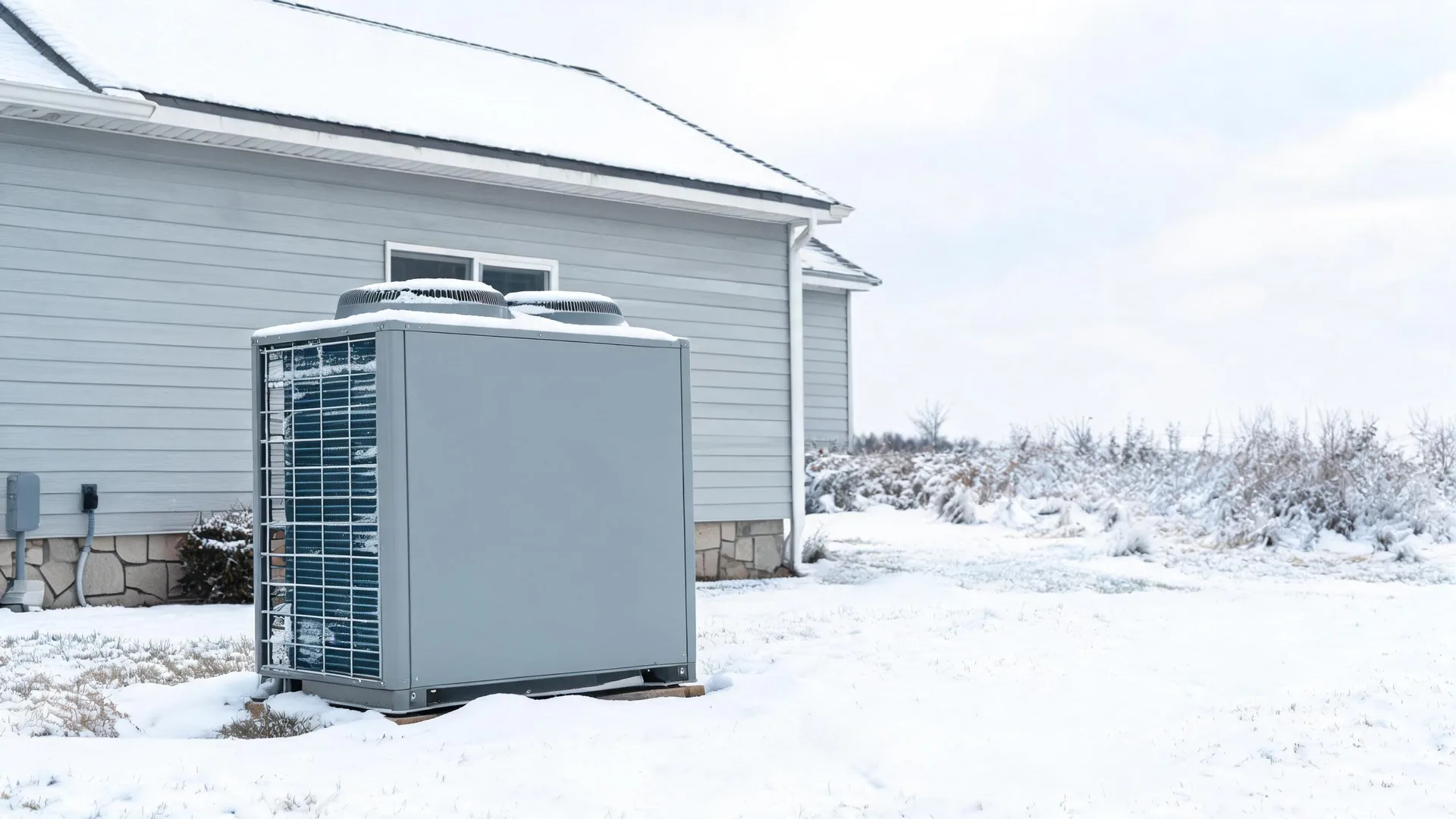
A gray heat pump outdoor unit mounted on a concrete pad next to a residential house with lap siding and stone accents.

A mixed climate, not a brutal one

Overnight lows here average 25°F in December and January. That's cold, but it's not the kind of extreme that pushes a heat pump to its limits for weeks on end. A system sized to the house, not oversized to chase worst-case nights, will carry it. The wear that shortens a system's life here is more likely to come from a skipped filter change or a unit that sat too long before someone looked at it, not from the climate asking too much of it.

Ask what the sizing is based on

A contractor should size a heat pump by running a load calculation on the house, not by matching the tonnage of the unit being replaced. The old system may have been wrong from the start, or the house may have gotten new windows or insulation since. A unit sized on the old number alone can end up too big or too small for what the house actually needs.
Ask how it handles the coldest mornings

Every heat pump loses some capacity as the outdoor temperature drops, and below a certain point it needs backup heat to keep up. Ask where that point is for the system being quoted, and what kicks in below it, whether that's electric resistance strips or something else. That crossover point tells you more about comfort on a cold morning than the efficiency rating does.

A load calculation looks at the walls, the windows, the insulation, and the shape of the house, then comes up with the amount of heat it loses on a cold day and the amount of heat it gains on a hot one. That number, not the size of the old unit, is what the new heat pump should be matched to. Bigger isn't a safety margin here. An oversized heat pump satisfies the thermostat fast and shuts off before it's finished moving moisture out of the air, so the house ends up cool but clammy. An undersized one runs constantly and still can't keep up when it's coldest, leaning on backup heat more than it should. Right-sized, it runs long, steady cycles that hold a more even temperature through the house.

Installation starts with the outdoor unit and the indoor coil, and they have to be matched to each other, not just bolted on wherever the old equipment sat. The refrigerant lines get run or reused, then pressure tested, then pulled into a vacuum to clear out moisture and air before any refrigerant goes in. That vacuum step matters more than people expect. Moisture left in the line can freeze or corrode something later, so a tech checks that the vacuum holds before moving on rather than rushing to charge the system. Electrical work comes next, a dedicated circuit sized to the new unit, since a heat pump often draws differently than whatever was there before. Once it's wired and charged, the real test is running it through a full cycle, heating and cooling, and checking the temperature at the vents to confirm it's moving the right amount of air for the size of the house.