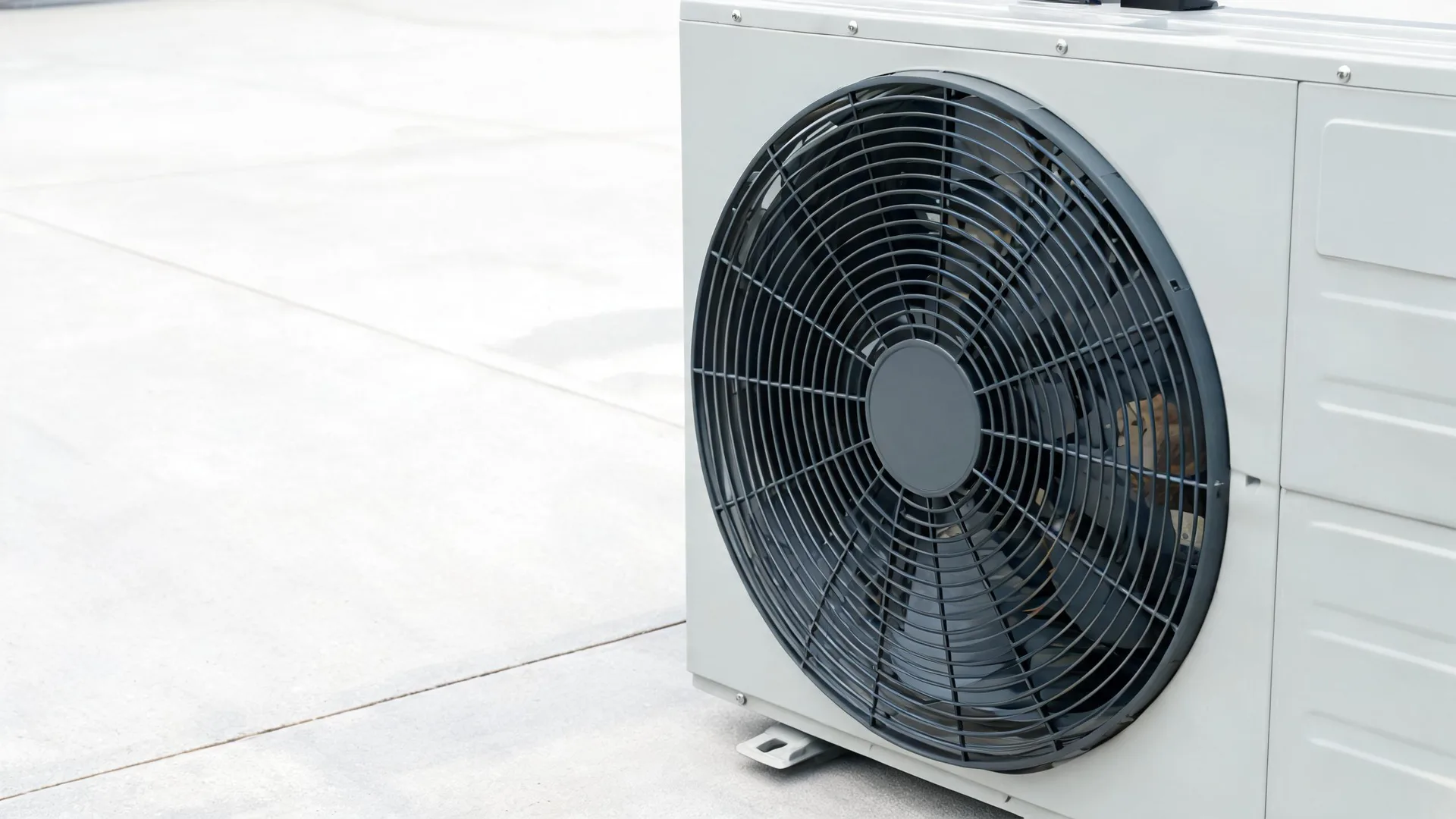
Most homes here run on electric heat
Electricity heats 73.3% of homes in Pulaski County. A heat pump fits right into that setup, since it runs on electricity too.
Takes about a minute. No obligation.
Electricity heats 73.3% of homes in Pulaski County. A heat pump fits right into that setup, since it runs on electricity too.
Replacing an electric furnace or electric baseboard with a heat pump means no new gas line and no new venting to add. The wiring a straight electric system needs is already part of what's there.

NOAA nClimDiv, 1991–2020 normals
Pulaski County saw 63 damaging wind events and 39 hail events in the last ten years.
A standard heat pump install, properly secured and sized, holds up fine against that.



St. Robert sits in climate zone 4A, which asks real work of both sides of a heat pump, heating and cooling. Any split-system heat pump installed here, if manufactured from 2023 on, has to hit 14.3 SEER2 and 7.5 HSPF2 at minimum. That's a federal floor, not a local one, so it holds whether the contractor is working off a big install or a small one. A system rated below that can't legally go in. Ask what SEER2 and HSPF2 the unit carries before you sign off on it.
Nothing about Pulaski County calls for oversizing a system or paying for more than the SEER2 and HSPF2 minimum. Zone 4A and winter lows around 26°F are within what a properly sized, code-compliant heat pump is built to handle. Get the sizing and the ratings right and that's the job.
Find a contractor
SEER2 and HSPF2 come from a lab test, run side by side against other units. They tell you how the unit performed there, not what it will do bolted to the side of an actual house, moving air through actual ductwork. A heat pump with a high rating still needs the correct refrigerant charge and the correct airflow across the coil. Ductwork has to be able to carry what the unit is pushing. Get any of that wrong during install and the rating on the label stops meaning much. The number also only holds up over time if the unit gets basic upkeep. Coils need to stay clean, the filter needs to stay clear, and refrigerant needs to stay at the level it was charged to. A neglected system drifts further from its rated efficiency with every year it runs.
A contractor works out heat loss and heat gain for the space before any equipment gets picked. Size for heating alone and the unit overshoots cooling. Size for cooling alone and it falls short on the coldest days. A heat pump answers for both sides of the year, so the calculation has to account for both.
Checking window area, insulation and orientation room by room takes real time before a size gets chosen. Skip that and pull a number off a chart instead, and what shows up on the truck is a guess dressed up as a fact. A unit sized wrong either short cycles and wears out its compressor early, or runs constantly and still can't keep up.
Taking out the old system is its own piece of the job. If it's a straight electric furnace or baseboard heat, there's no gas line to cap off, which simplifies things. The old electric resistance coils or baseboard units get disconnected and hauled away, and the breaker that fed them either gets reused for the new heat pump or freed up, depending on what the new system draws. If there's an air handler or indoor coil already in place, the contractor checks whether it can stay or has to go with the rest. Anything removed should be disposed of properly, since older units can hold refrigerant or components that don't belong in regular trash.
Install day starts with the outdoor unit going on its pad or brackets, then the indoor coil or air handler going in wherever the old equipment sat. The refrigerant lines connecting them get brazed, pressure tested for leaks, then pulled down into a vacuum to clear out any moisture or air before refrigerant goes in. Electrical is its own step, running new circuits or reusing what's there depending on what the heat pump draws. Once everything's connected, the system gets charged to the exact weight the manufacturer specifies, not just run until it feels cold. Airflow gets checked across the coil, and the contractor runs the system in both heating and cooling before calling it done. A thermostat gets set up last, since most heat pumps need one built for how they operate, not a thermostat made for a gas furnace.