Storms come through often
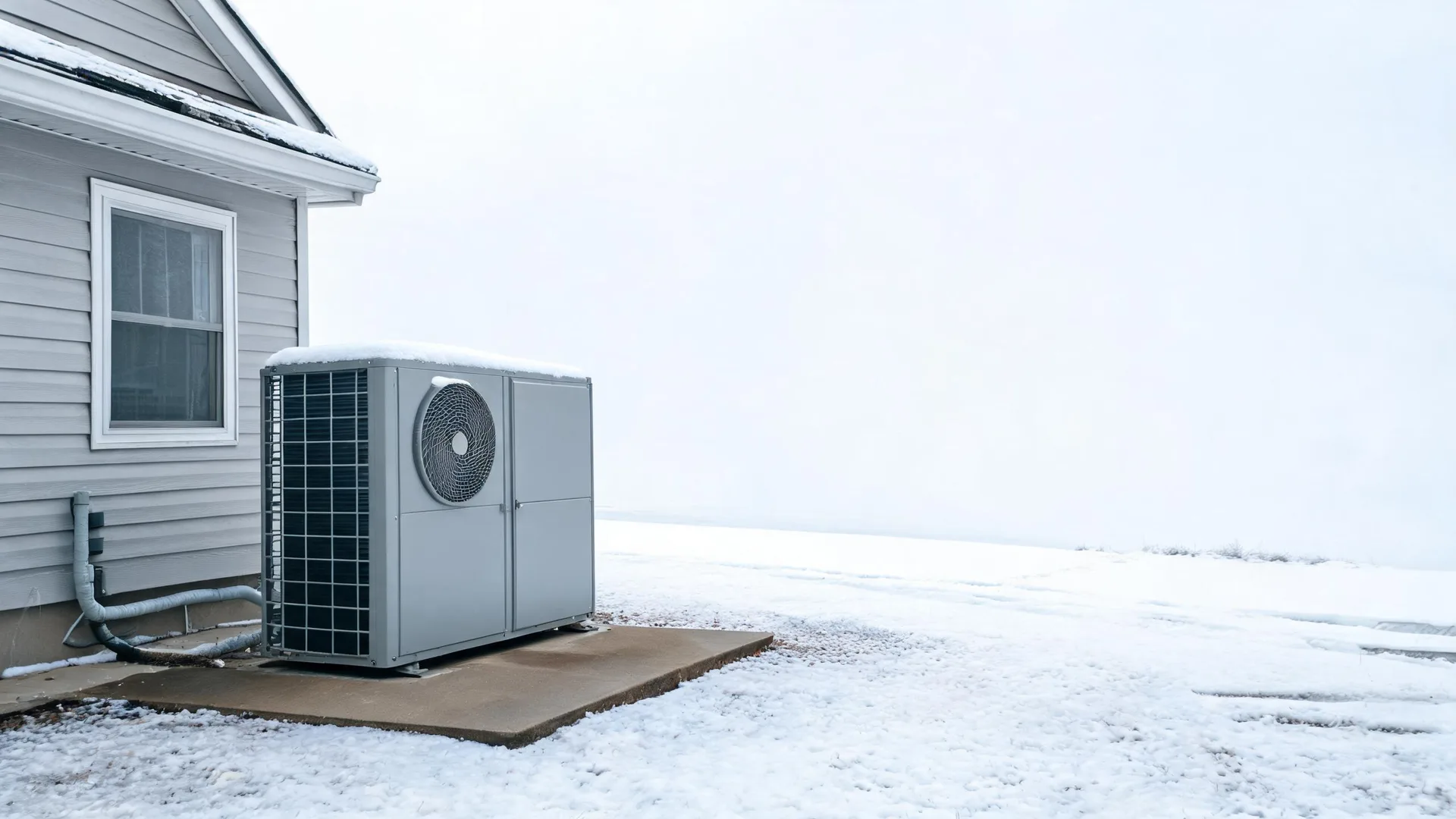
Camden County recorded 142 severe weather events between 2015 and 2024. That includes 57 damaging wind events, 73 hail events, and 4 tornadoes. An outdoor heat pump unit sits outside through all of it.
Takes about a minute. No obligation.
Camden County recorded 142 severe weather events between 2015 and 2024. That includes 57 damaging wind events, 73 hail events, and 4 tornadoes. An outdoor heat pump unit sits outside through all of it.
Nearly one in five Missouri households went at least 24 hours without power in 2024. A heat pump needs power to run, for heat in the winter and for hot water if it's tied into your system. Where the unit goes and how it's protected matters here.

NOAA nClimDiv, 1991–2020 normals
Electricity already heats three out of four homes in Camden County.
A heat pump installation here is swapping in a system this grid and these homes already run on.



Camden County falls under zone 4A in the 2021 energy code, a mixed climate that works a system hard in both directions. Any split-system heat pump manufactured on or after January 1, 2023 has to clear a federal floor: at least 14.3 Btu of heat moved per watt-hour over the summer, and at least 7.5 Btu per watt-hour over the winter. That floor narrows what a contractor can offer you. It also means the baseline unit already has to perform in both seasons, not just one. Ask what a given system is rated at and how that compares to the minimum, since some sit right at the line and others clear it by a wide margin.
A heat pump installation is the point to decide where the outdoor unit sits, what shields it from hail and wind, and how heat and hot water hold up if the power drops. That's easier to settle now, while the system is going in, than after it's already set.
Find a contractor
Summer air here holds at a 65°F dew point through June, July and August, heavy enough that the heat pump has to wring real moisture out of it on top of moving the heat. Winter flips the job around, pulling warmth out of cold air instead. That's two different jobs, both hard, and the system runs one or the other most months of the year. Add the hail. Camden County logged 73 hail events between 2015 and 2024, and the outdoor unit sits through every one of them with no cover. A system working that hard in both directions wears sooner than one built for a milder place. Size it for what this place actually asks of it.
A heat pump pulls frost off its outdoor coil by briefly running in reverse, and while it does, some systems lean on backup heat strips to keep the air coming out warm. Ask whether the system you're looking at uses strips for that, how often they're likely to kick on, and whether that backup heat source is sized to carry the house on its own if the compressor ever can't.
Every heat pump has a point where the outdoor air is cold enough that it can't pull in heat fast enough by itself, and something else has to carry the load. Ask what that backup source is, whether it runs automatically or needs a switch thrown, and how the thermostat decides when to bring it on.
Whoever installs the new system still has to deal with the one coming out. A heat pump holds refrigerant under pressure, and that refrigerant has to be recovered before the old unit gets disconnected, not vented into the air. That's a licensed step, not an extra. Once it's empty, the outdoor unit and the indoor coil come out, along with whatever line set and electrical whip were dedicated to that system. If the old equipment used a separate furnace or air handler alongside it, ask directly whether that stays or goes, since some heat pump setups replace it and some don't. Ask too where the old refrigerant and the unit itself end up, since scrap metal and refrigerant both have places they're supposed to go and places they aren't.
Heat here runs October through April, about seven months out of the year. That leaves September open, and it's the better month to put in a new heat pump than the first cold week of fall. An install that happens on a mild afternoon in September goes differently than one squeezed in after the first hard freeze, when the old system has already quit and everyone's waiting on heat. Summer works the same way. Cooling starts in May, so April is worth the same look before the sticky months set in. Either way, the point is doing it before the system has to carry the house, not after.