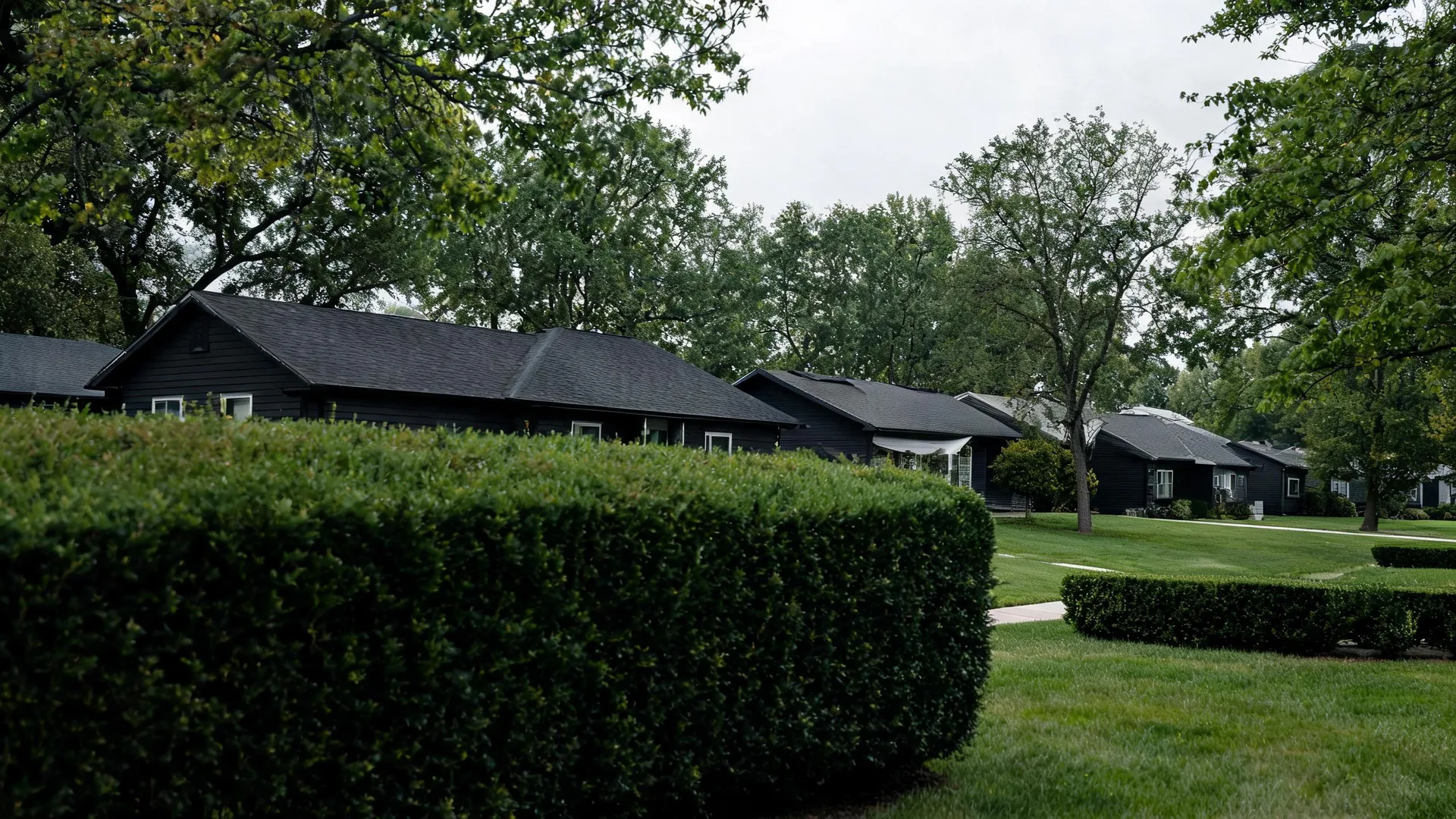






A row of dark-painted single-story houses with gray shingled roofs behind a tall trimmed hedge, with mown lawn, a walkway, and leafy trees under an overcast sky.

Heat Pump Installation in Cuba, MO

Tell us about the job

Takes about a minute. No obligation.

New system or replacementHeat PumpCrawford County, MO
Step 1 of 2

What ZIP code is the job in?

Electricity heats half the homes in Crawford County, more than gas and propane combined. A heat pump fits right into that setup since it runs on electricity already. Propane comes in second at 25.9%, and gas heats just 10% of homes here. If your home already has electric heat, a heat pump installation usually means working with wiring and ductwork that's already there, not starting from scratch.

7 months
October through April, your system heats
4 months
June through September, it cools
24°F
the average winter night it heats against
87°F
the average summer afternoon it cools against
Isometric line illustration of a cutaway single-story house showing interior rooms, ceiling ductwork and an indoor air handler, connected by a line to an outdoor condenser unit on a pad beside the building.
Your system heats October through April and cools June through September.

NOAA nClimDiv, 1991–2020 normals

Half the homes in Crawford County went up in 1981 or earlier.

A standard heat pump size still fits a house that age, no special equipment needed.

Put a heat pump in before June, not after

Cooling runs June through September
Heat runs October through April
22 hail events from 2015 to 2024

A standard heat pump, sized the normal way for the square footage, handles a home in Cuba without any upsizing or special equipment. Missouri electricity ran 12.91 cents per kilowatt-hour in 2024, and that's the number a heat pump here runs on day to day. There's nothing about this area that calls for a bigger unit or a higher efficiency tier than you'd put in anywhere else. The sizing comes from the house itself, its square footage and layout, not from anything particular to Cuba or Crawford County.

A heat pump here works steadily, not hard

Winters here average 24°F overnight, and summers put in real work too. A heat pump earns its keep both ways, but it isn't fighting extreme heat or deep cold to do it. That's a system that isn't strained year after year, which is exactly what makes a mid-range unit a sound choice instead of a compromise.

Find a contractor
A man in a cap, dark long-sleeved shirt and brown work pants carries a canvas tool bag up porch steps toward a blue front door, with a shrub in a blue planter beside it.
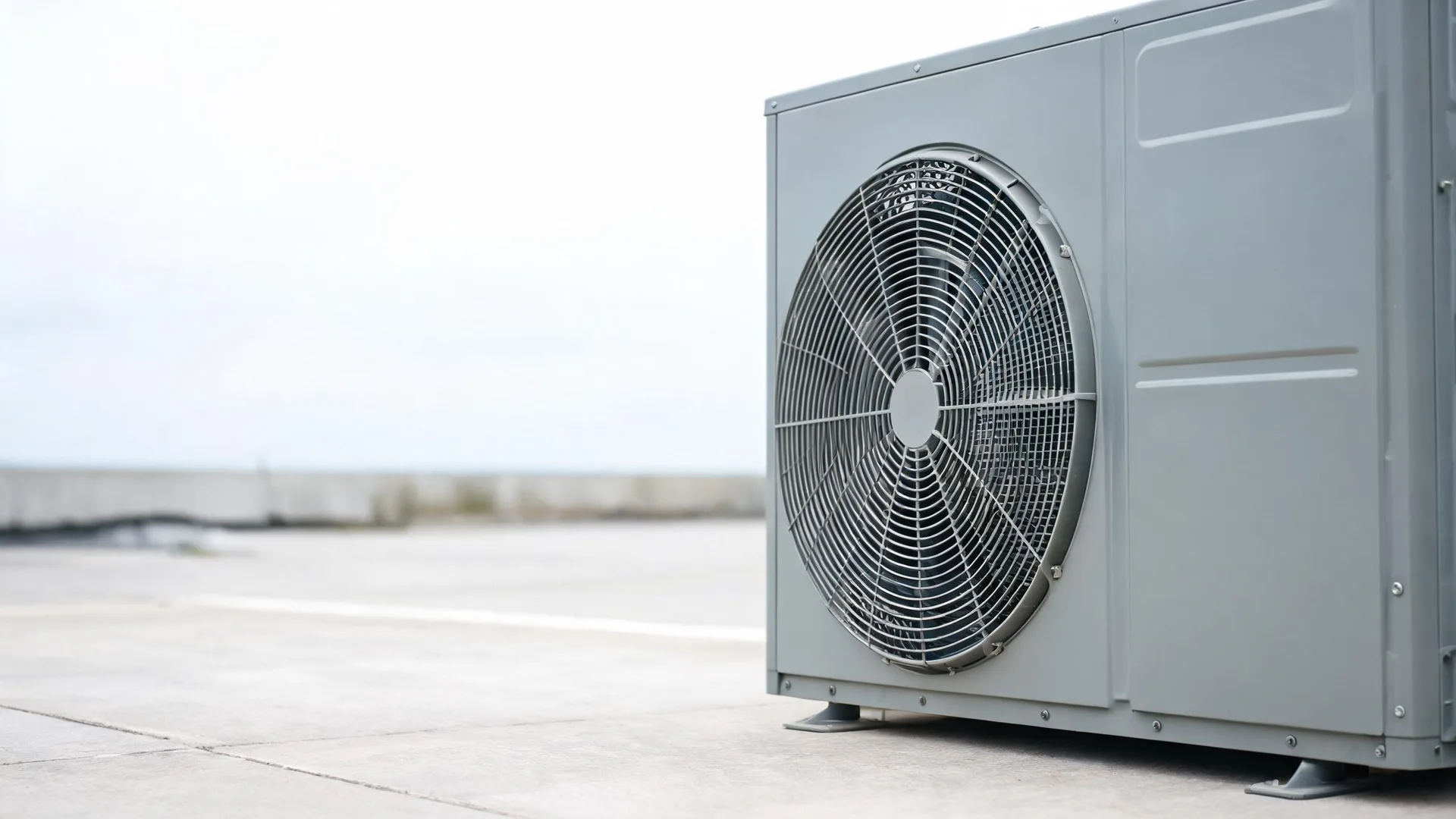
A residential heat pump outdoor unit mounted on a concrete pad next to a house with gray vinyl siding.

Steady work, not hard work

Day into night, year into year, that's steady running, not hard running. Crawford County asks real work of both sides, the zone 4A code here counts on it, but it's not the kind of extreme that pushes a system to its edge. Put the money into a correct install and a good warranty instead of the highest efficiency tier on the shelf. The unit sized for your square footage will hold up fine running at this pace.

What the rating actually measures

The efficiency rating on a heat pump's label reflects how much heat it moves for the electricity it uses, averaged over a season of work rather than one cold morning or one hot afternoon. It's measured under set conditions in a lab, not inside any particular house. Homes running the same unit can see different results depending on ductwork, insulation and how the system was installed.
Why the install matters more than the number

A high rating on a poorly installed system won't outperform a mid-range unit put in correctly. Refrigerant charge, duct sizing and airflow all determine whether the equipment reaches the efficiency printed on its label. When you're comparing units, ask who's doing the install and how they size it to the house, not just which number sits highest on the spec sheet.

Sizing a heat pump comes down to a load calculation. A contractor measures the house room by room. Wall area, window count and type, ceiling height, insulation, which way rooms face. All of that adds up to how much heat the house loses on a cold day and gains on a hot one. Get the size wrong on the low side and the system runs constantly, never quite catching up. Get it wrong on the high side and it short cycles. It blasts the house to temperature and shuts off before it's pulled enough moisture out of the air, so rooms feel clammy even when the thermostat says they're cool. Either mistake wears the equipment harder and leaves the house less comfortable than a correctly sized unit running at a steady pace.

Install day starts outside with the old condenser and line set coming out before anything new goes in. Inside, the air handler or furnace coil gets swapped or tied into, since most heat pump setups still use the existing ductwork rather than replace it. The line set connecting indoor and outdoor units gets run, brazed, and pressure tested before any refrigerant goes in. That pressure test matters more than people think. A line that holds pressure overnight is sealed right. One that doesn't means finding the leak now, not after the system's charged and running. Once everything's connected, the technician pulls a vacuum on the lines to clear out moisture and air, then weighs in refrigerant to the amount the manufacturer specifies for that line length. Last comes the startup check. Airflow across the coil, static pressure in the ducts, and the charge itself all get confirmed against the equipment's spec sheet before anyone calls the job done.