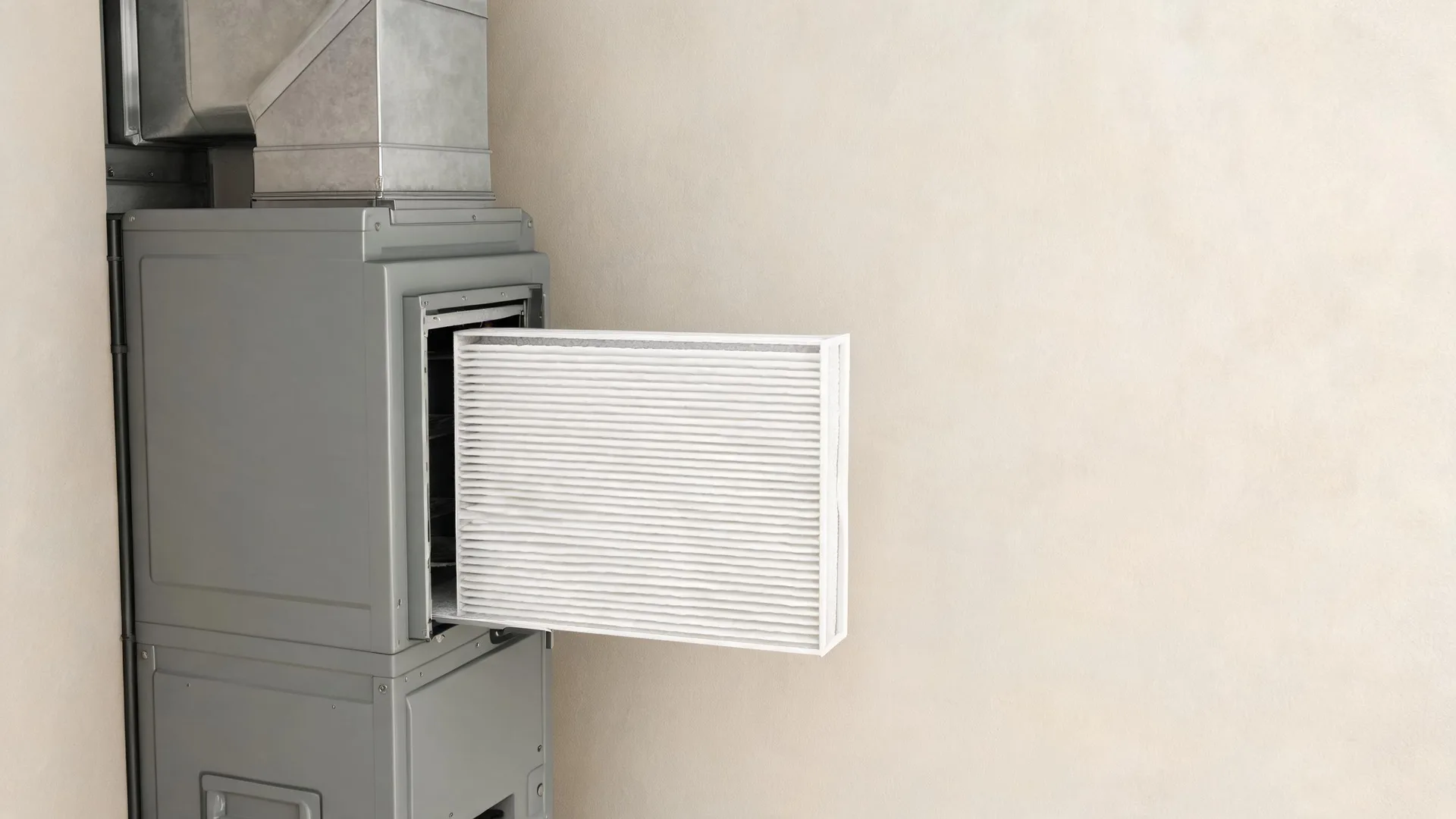
Electricity runs the furnace here
Most homes around Fulton heat with electricity, and Missouri homes paid $37.84 per million Btu for it in 2024. A furnace that has to work harder than it should pulls more of that power every time it runs.
Takes about a minute. No obligation.
Most homes around Fulton heat with electricity, and Missouri homes paid $37.84 per million Btu for it in 2024. A furnace that has to work harder than it should pulls more of that power every time it runs.
A clogged filter, a weak blower, or a dirty flame sensor makes the furnace work harder to put out the same heat. That shows up as higher electric use all winter, not as a problem you can see.
Half the furnaces around Fulton sit in homes built since 1987.
A furnace that age still has years in it, and a yearly check is what gets it there.



Electricity heats more homes here than anything else, but close to one in five run on utility gas, and about one in five more run on bottled or LP gas. Those furnaces have a burner, a flue, and a set of safety controls that electric furnaces don't. The burner needs to be clean enough to light properly and burn evenly. The venting needs a clear path so exhaust leaves the house instead of backing up. The flame sensor and limit switch need to be tested, not just looked at, because those are what shut the furnace down if something goes wrong. A filter swap doesn't touch any of that. If your furnace runs on gas or propane, a tune-up means checking the parts that keep it burning safely, not just the parts that move air.
A furnace that has to work harder for the same heat pulls more power every time it runs, and that power costs $37.84 per million Btu here. A yearly check catches the dirty filter or weak blower before it turns into a winter's worth of higher bills.
Find a contractorA furnace built since 1987 still has plenty of life left, and that's exactly the kind of system a yearly check is worth doing on. Catching a cracked heat exchanger or a worn blower motor early means the furnace you have now is still the one running next winter. Skipping the checkup doesn't save it for later. Whatever wear sits unnoticed this year is still there next year, just further along.
A furnace that loses its yearly check doesn't fail all at once. The igniter weakens, the blower bearings dry out, the flame sensor picks up a film of residue. None of that stops the furnace from running. It just makes it work harder and wear faster, until the part that was failing quietly fails for real, usually on a cold night.
A technician checks things a homeowner has no way to see: the amp draw on the blower motor, the condition of the heat exchanger, whether the flame sensor is reading clean. These are pass or fail checks. Either the part is still doing its job or it's on its way out, and that's the kind of thing you want to know before the furnace is the only thing standing between the house and the cold.
A furnace usually tells you something before it quits. The burner flame should burn steady and blue. If it starts flickering, or turns yellow, that's a sign it isn't burning clean anymore. Listen for the furnace taking longer than usual to kick on, or cycling on and off more than it used to. A burning smell that doesn't fade after the first few minutes of a run isn't normal, and neither is dust blowing out of the vents harder than before. Short cycles, cold spots in rooms that used to heat fine, or a blower that keeps running after the heat shuts off are all things a technician checks for and a homeowner usually just lives with until it gets worse.
A tune-up follows the same order every time because that's the order that catches problems. The technician pulls the panel and checks the flame first, since the color and shape of it says a lot about how clean the burner is running. Then the heat exchanger, looking for hairline cracks that let exhaust mix into the air moving through the house. The blower wheel gets checked for dust buildup, because a coated wheel moves less air even at full speed. Belts and bearings get lubricated where the furnace has them. The last step is usually electrical: tightening connections that work loose from the furnace heating and cooling all season, since a loose wire is one of the more common reasons a furnace stops mid-winter for no obvious reason.