Electricity runs the heat here
Most furnaces around Sedalia run on electricity, and Missouri homes paid $37.84 per million Btu for it in 2024. A furnace working harder than it needs to burns through more of that power every time it cycles on.
Takes about a minute. No obligation.
Most furnaces around Sedalia run on electricity, and Missouri homes paid $37.84 per million Btu for it in 2024. A furnace working harder than it needs to burns through more of that power every time it cycles on.
A clogged filter, a weak igniter, or a blower working against buildup all make the furnace run longer to heat the same house. Longer runtime on electric heat means the cost of neglect shows up fast, not years down the road.
A quick tune-up checks that the furnace turns on and blows warm air.
A thorough one pulls the blower wheel, checks amp draw, and tests the heat exchanger for cracks.



The tune-up catches what makes a furnace run longer than it should: a dirty filter, a weak igniter, a blower straining against buildup. On electric heat, that extra runtime shows up in the bill right away. Getting it checked now means the furnace is doing the least work it has to, all winter.
Find a contractorA furnace left alone doesn't fail all at once. Dust builds on the blower wheel a little at a time, the igniter weakens a little more each season, and none of it announces itself until the day the furnace won't start or won't stop. Skip enough tune-ups and small problems get the chance to become big ones. A flame sensor coated in residue doesn't just need cleaning anymore, it needs replacing. A blower straining against buildup doesn't just run longer, it wears out its motor sooner. The furnace still runs in the meantime, which is what makes it easy to put off. It's running harder than it should, for longer than it should, and nothing about that is visible from the thermostat.
A furnace won't run if the pressure switch doesn't sense the inducer motor pulling exhaust the way it should. A technician checks the tubing that runs from the switch to the inducer housing for cracks or blockage, since a pinhole leak there can cause random shutdowns that look like something else entirely. From the thermostat, that furnace just looks like it stopped working for no reason.
The gas valve is set to deliver a specific pressure to the burners, and that setting can drift slightly over years of use. Too low, and the flame burns weak and the furnace struggles to reach temperature. Too high, and the heat exchanger takes on stress it wasn't built for. A manometer check during a tune-up catches that drift before it turns into a cracked exchanger or a furnace that runs long and still leaves the house cold.
Most furnaces give some warning before they quit. A burner that used to light with a soft thump starts lighting with a bang, because gas is pooling for a second before it catches. The blower kicks on a beat later than it used to. The air coming out of the vents feels cooler than it should, even though the furnace is running longer to make up for it. Some furnaces short cycle, turning off minutes after they start, which usually means a safety switch is catching a problem before it becomes dangerous. Any of these is worth a call before the furnace stops working on its own.
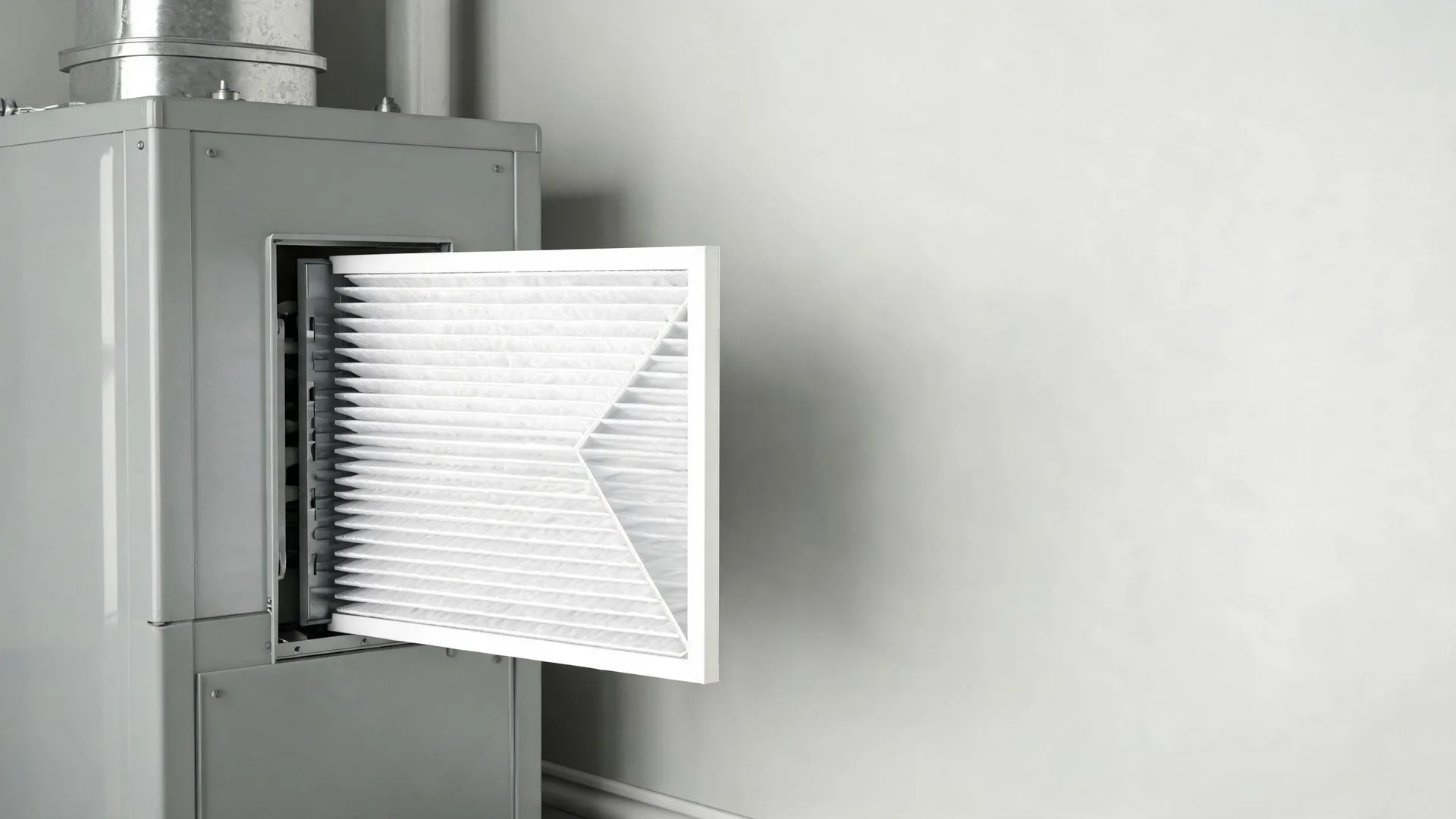
Between tune-ups, the filter is the one thing worth checking without calling anyone. Pull it out, hold it up to a light, and if you can't see through it, swap it in. A dirty filter chokes airflow, which makes the blower work harder and can cause the furnace to overheat and shut itself down. Keep furniture and boxes away from the return air vent too, since blocking it starves the system the same way a clogged filter does. Past that, leave it alone. Opening the cabinet to clean a burner or adjust the gas valve is a job for someone who does it for a living, and a furnace that seems to be running fine is not a reason to go looking inside it.