




An unfinished concrete basement containing a metal HVAC air handler, exposed wooden ceiling joists with sheet-metal ducts, a hanging bare bulb, copper pipes, and stacked cardboard boxes.

Furnace Maintenance in Raymore, MO

Tell us about the job

Takes about a minute. No obligation.

Tune-up, service, or cleaningFurnace or heatingCass County, MO
Step 1 of 2

What ZIP code is the job in?

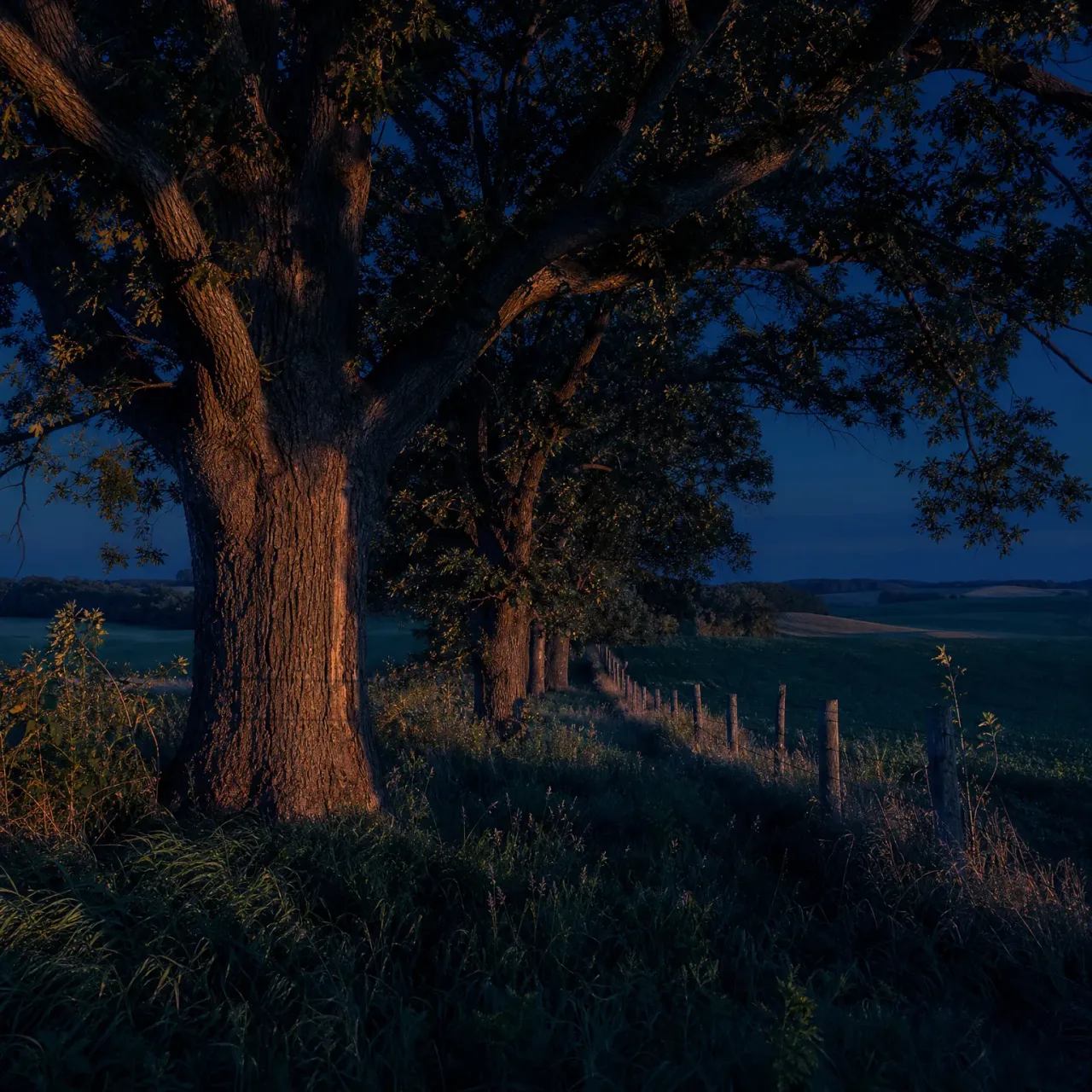
Cass County sees its share of rough weather. Between 2015 and 2024 the county recorded 178 severe weather events, including 89 damaging wind events, 74 hail events, 6 tornadoes, and 9 winter storms with heavy snow or ice. Wind and hail don't touch a furnace sitting in the basement or closet, but they take a toll on the rest of the system over time, and ice storms bring down power lines. Nearly one in five Missouri households went at least 24 hours without power in 2024. A furnace won't run without electricity even on gas, since the blower, control board and ignition all need it. A tune-up is a chance to find out if yours is ready to hold up through another year of this.

Half the homes in Cass County were built in 1992 or later.

A furnace that age still has a lot of working life left, and a yearly check is what keeps it on track for that.

October is the first cold snap here, not the last warm week

Heat runs October through April
Winter nights average 24°F
Climate zone 4A
Most furnaces here run on gas54.8% of homes in Cass County heat with utility gas

A furnace from 1992 or later still has a lot of working life in it, and a yearly check is what keeps it on that track. During the visit, a technician checks the igniter, cleans the flame sensor, tests the pressure switch, and looks over the heat exchanger for cracks before any of it fails on a cold night. A worn part caught at that visit is usually a small fix. The same part failing on its own, especially right after a storm knocks the power out, is not. Regular care is what gets you the years the furnace has left in it, instead of losing some of them to a problem nobody caught.

Get the furnace checked before the next storm knocks the power out

A tune-up won't stop the wind or the ice, but it settles whether your furnace can take a hit from either one. A technician can check that the power coming back on after an outage won't trip something that was already on its way out.

Find a contractor
A gray gas furnace with attached ductwork and piping installed in an unfinished concrete basement.

One part does most of the work, and it's the one you can check yourself

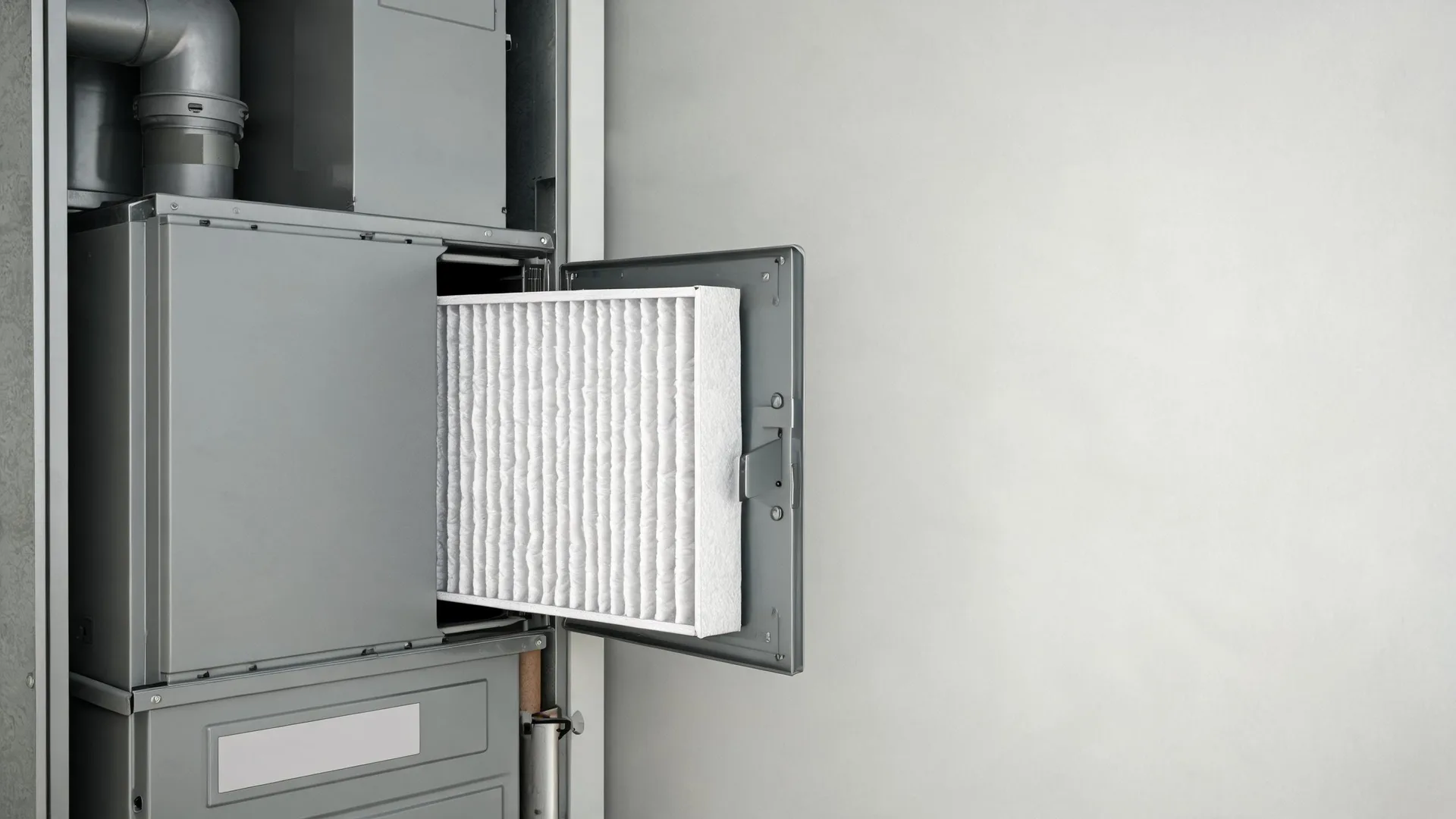
A furnace doesn't have a drain or a coil to worry about, but the filter does more work on it than most people think. Every bit of air the blower moves passes through that filter first, and a furnace left to run through a filter packed with dust is working against itself the whole time. Airflow drops, the heat exchanger runs hotter than it should, and the blower motor strains to push air that isn't moving the way it needs to. Left long enough, that heat can crack the exchanger, and a cracked exchanger is a safety problem, not just a repair bill. A clean filter costs nothing to check and tells a technician right away whether the rest of the system has been breathing easy or working overtime.

A quick visit checks that it runs

A fast tune-up gets the furnace firing and calls it done. The tech sets the thermostat up, listens for the burners to light, feels for warm air at a vent, and packs up. That tells you the furnace turned on today. It doesn't tell you whether the flame sensor is coated enough to cause trouble next week, or whether the pressure switch is reading correctly under load.
A thorough one checks that it will keep running

A real tune-up takes the furnace apart enough to see the parts that cause most breakdowns. The technician pulls the burner assembly to inspect it, cleans the flame sensor instead of just checking that it works, tests the pressure switch against actual readings, and examines the heat exchanger with a light or camera for hairline cracks. Each of those is a part that fails quietly, then fails completely, usually on the coldest night it's asked to work hardest.

A furnace usually gives some warning before it quits outright. A burner that lights with a pop instead of a steady whoosh is struggling to get the right mix of air and gas. A blower that cycles on and off more than it used to, short cycling, is often a sign the heat exchanger is overheating and shutting the system down as a safety measure. Rooms that used to heat evenly but now have cold spots can mean the ductwork or the blower isn't moving air the way it should. A yellow or flickering flame instead of a steady blue one means the burners aren't getting clean combustion, and that's worth a look right away. None of these mean the furnace is about to fail tonight, but each one is the kind of thing a technician catches in a tune-up before it turns into a no-heat call.

A tune-up covers more than the furnace itself. The technician checks the thermostat calibration to make sure it's calling for heat accurately, and looks at the ductwork connections near the unit for gaps that let heated air escape before it reaches a vent. Electrical connections at the control board get checked too, since a loose wire can cause the furnace to lock out or fail to start even though every part is otherwise fine. The blower motor gets inspected for wear, and on older units the bearings get lubricated if they're the type that need it. Gas pressure gets tested at the manifold, because too high or too low changes how clean the burners fire. None of this takes long, but skipping it means the furnace is only as reliable as the one part someone remembered to check.