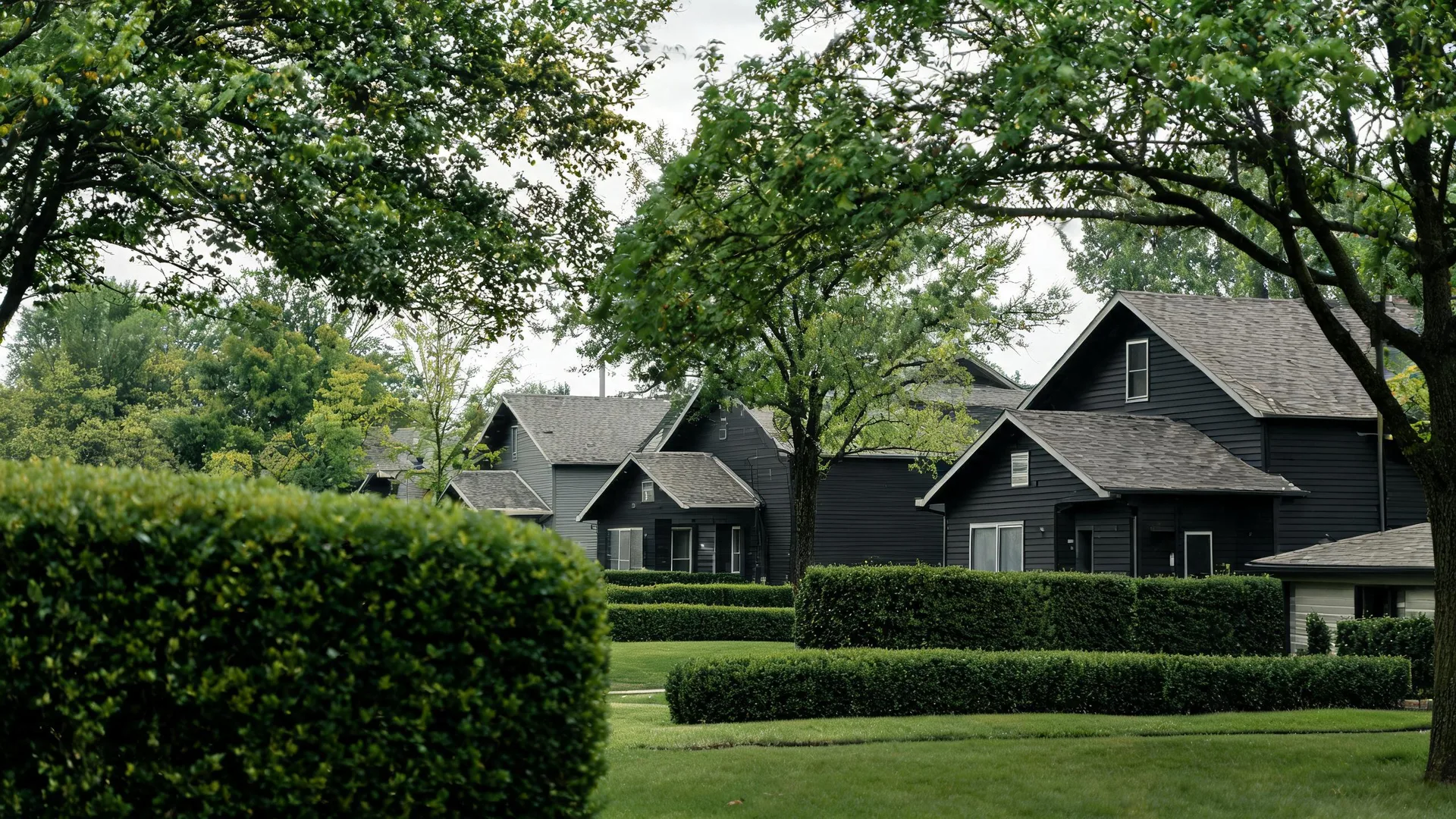






A row of dark-clad gabled houses with gray shingle roofs behind trimmed green hedges, mown lawn, and leafy trees under an overcast sky.

Furnace Maintenance in Sikeston, MO

Tell us about the job

Takes about a minute. No obligation.

Tune-up, service, or cleaningFurnace or heatingScott County, MO
Step 1 of 2

What ZIP code is the job in?

Scott County sees real weather. Damaging wind hit the county 112 times between 2015 and 2024. There were 12 hail events and 6 tornadoes in that same stretch, 144 severe weather events in all. A furnace shares the outdoor cabinet with the AC unit, and that cabinet takes the brunt of wind-driven debris and hail. Beyond the equipment itself, 19% of Missouri households lost power for a day or more in 2024. A furnace that was never checked after a bad storm is the wrong thing to find out about on the coldest night of the year.

A dirty filter makes the blower work harder to push air through the system.

Check it every month during heating season and swap it out before it clogs.

Furnace runs hard starting in October. Have it checked in September.

Heat runs October through April
Winter nights average 29°F
13 winter storms from 2015 to 2024
Here, It's Almost Always a Heat Pump or Electric Furnace57% of homes in Scott County heat with electricity, more than any other fuel.

A quick tune-up means someone swaps the filter, glances at the flame, and writes up the invoice. A thorough one means the panels come off. The tech checks flame color, because a furnace burner should run blue, not yellow or flickering orange. The heat exchanger gets inspected for cracks, since a cracked exchanger can let combustion gas into the air you breathe. The igniter or pilot assembly gets tested, not just looked at. Amp draw on the blower motor gets measured against what the nameplate calls for, and the capacitor gets checked rather than assumed good because the fan spins. Ask what was tested, not just what was touched. If the answer is only the filter, that was a once-over, not a tune-up.

After the storm passes, check the furnace before the cold does

That outdoor cabinet already took the hit, whether it shows or not. Get the furnace looked at now, so a bent fin or a loose connection from this year's storms isn't what you find out about on a night the power just came back on.

Find a contractor
A man in a cap, gray T-shirt and tan work pants climbs porch steps toward a blue front door, carrying a canvas tool bag filled with tools, beside a blue planter with a shrub.
A gray residential gas furnace installed in an unfinished basement, connected to sheet-metal ductwork and PVC pipes.

A Furnace Doesn't Fail on the First Cold Day. It Fails on the Hundredth.

A furnace that never gets opened up doesn't fail all at once. Dust builds on the blower wheel, and a wheel caked with dust moves less air even at full speed. The flame sensor picks up a film from normal combustion over time, and once that film is thick enough the sensor can't tell the control board a flame is lit, so the furnace shuts itself down as a safety measure. Burners that never get cleaned can shift from a steady blue flame to a yellow, sooty one, which points at incomplete combustion. None of that announces itself. The furnace runs, then one day it doesn't, usually on the coldest morning of the stretch when it's working hardest to keep up.

What's fine to check yourself

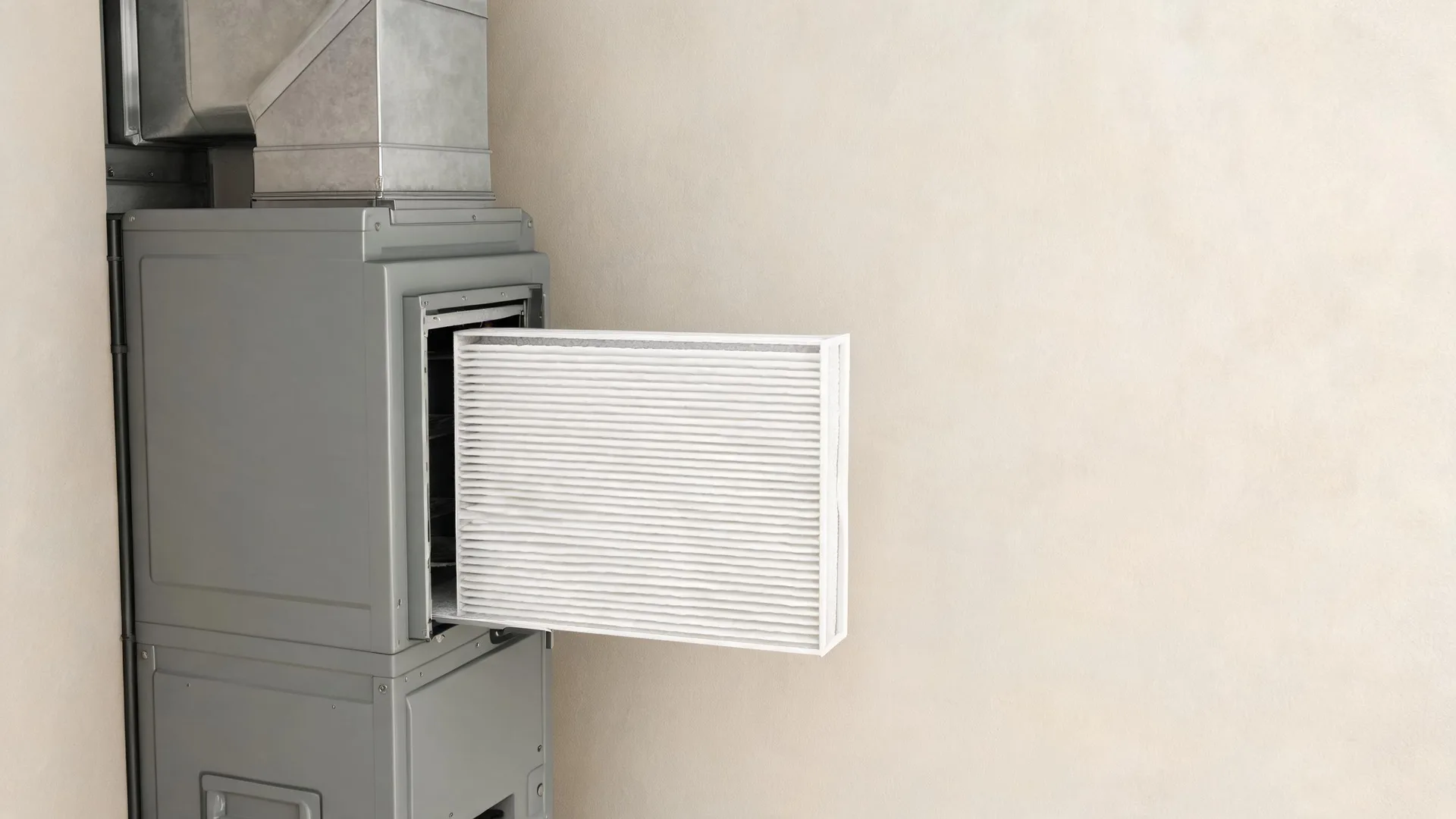
Look at the flame through the viewing port. It should be steady and blue. Keep the area around the furnace clear so nothing blocks the return air. Check that the vent pipe outside hasn't been blocked by debris or nesting material. If the thermostat has batteries, swap them when you change the filter so a dead one doesn't shut the furnace down on you.
What to leave for a tech

Don't pull the burner assembly or touch the heat exchanger. Those take tools and training to put back correctly, and a gap or crack left behind can leak combustion gas into the house. Don't reset a furnace that keeps shutting off on its own. That's the control board protecting you from something, usually a dirty flame sensor or a blower pulling too many amps, and it needs a tech to find which one.

Some parts of a furnace wear in ways you can see and most you can't. A blower motor can run for years with a bearing going bad inside it, getting louder and pulling more amps long before it seizes. A tech checks that draw against the nameplate rating, not against how the fan sounds. Static pressure in the ductwork tells a similar story. Too high and the blower strains against air that has nowhere to go, even with a clean filter in place. A manometer reads that pressure in a few minutes, but nobody sees it without one. Gas pressure at the manifold is the same kind of thing, set once at install and almost never checked again, and it drifts enough over years to change how clean the burner flame is. None of this shows up by looking at the furnace running. It shows up when someone opens it up and measures.

A tune-up also means putting the furnace through its paces, not just inspecting it sitting still. The tech fires it up and lets it run a full cycle, watching how it ignites, how the flame settles, and how it shuts off at the end. A furnace that lights fine but hesitates on shutdown, or short-cycles instead of running a full heating cycle, is telling you something a visual check won't catch. Thermostat calls get tested too, confirming the furnace responds correctly and doesn't run longer or shorter than the call for heat should allow. Safety switches get verified, including the one that shuts off the burner if the blower fails to move air, because a furnace that keeps heating without airflow is building heat it has nowhere to send. None of this takes long when the furnace is working right, but it's the only way to know it is.