



What winter here actually asks of a heat pump
Your winter low here averages 29°F, and that's the number that matters for this choice. A standard heat pump starts losing heat output below 40°F, and often needs backup heat below about 35°F. Your average night all winter sits below both marks. That doesn't rule out a heat pump. It means the machine needs help on most winter nights, not just the rare cold snap.
The nights that actually freeze here number about 85 a year, out of roughly 210 nights across the seven months the heat runs. That's under half. The rest stay above freezing, right where a heat pump works the way it's rated to. Real cold, the kind that reaches 0°F, happens less than once a year here. So the case against a heat pump isn't that this county gets brutally cold. It's that an average winter night already sits in the range where a standard heat pump needs backup, even though true cold is rare.
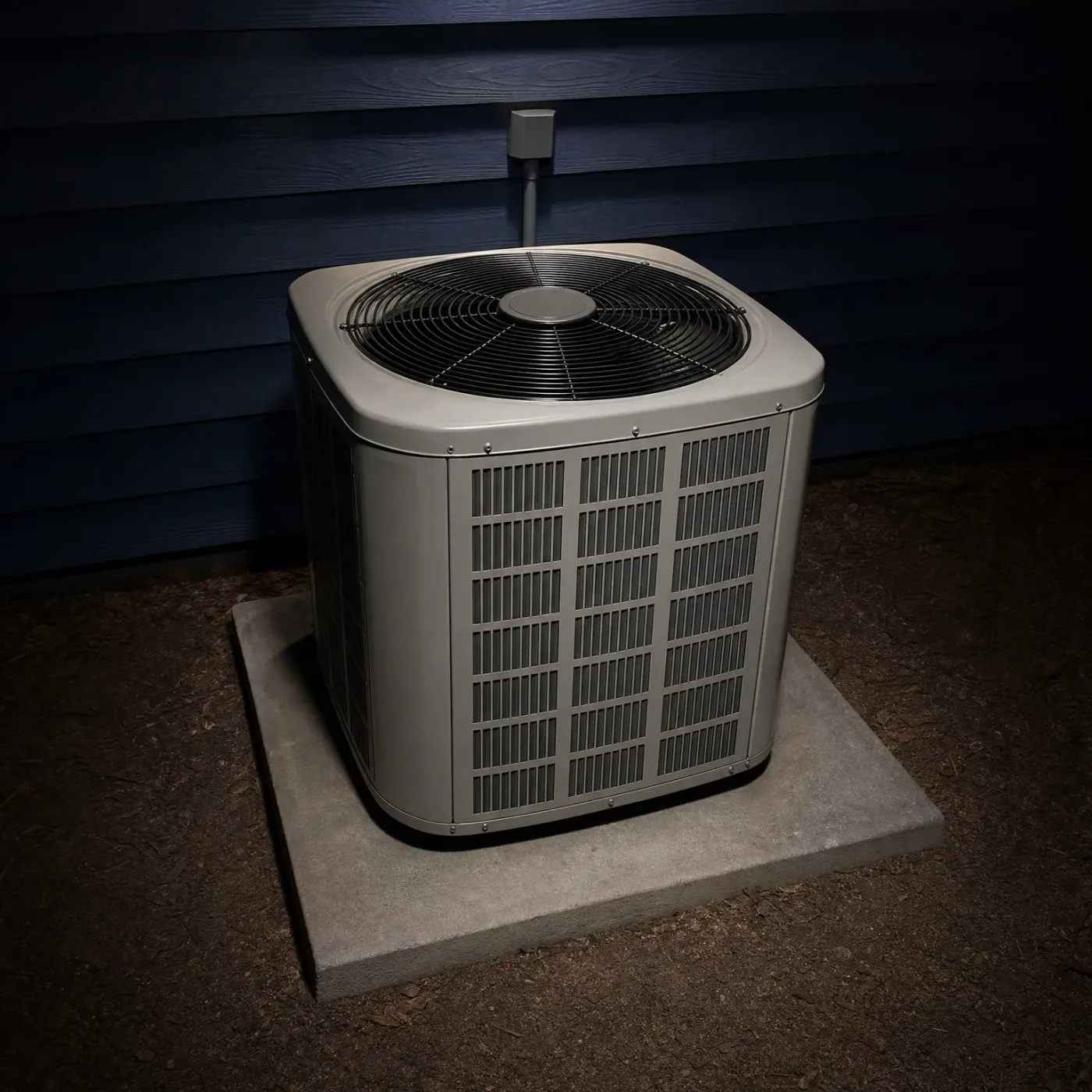
A heat pump built to carry the ENERGY STAR Cold Climate label is a different machine. It has to keep making heat efficiently down to 5°F and hold most of its capacity there, tested by a third party, not just claimed. Field tests of these cold-climate models found backup heat covered only a small share of the output between 0°F and 35°F, and running on backup alone was rare even above 0°F. If a heat pump goes into your house here, that's the spec that decides whether it keeps up on a 29°F night without leaning on backup heat all winter.