



Heat pump vs furnace in Newton County, Missouri

Compare Real Quotes

Pros who work in Newton County

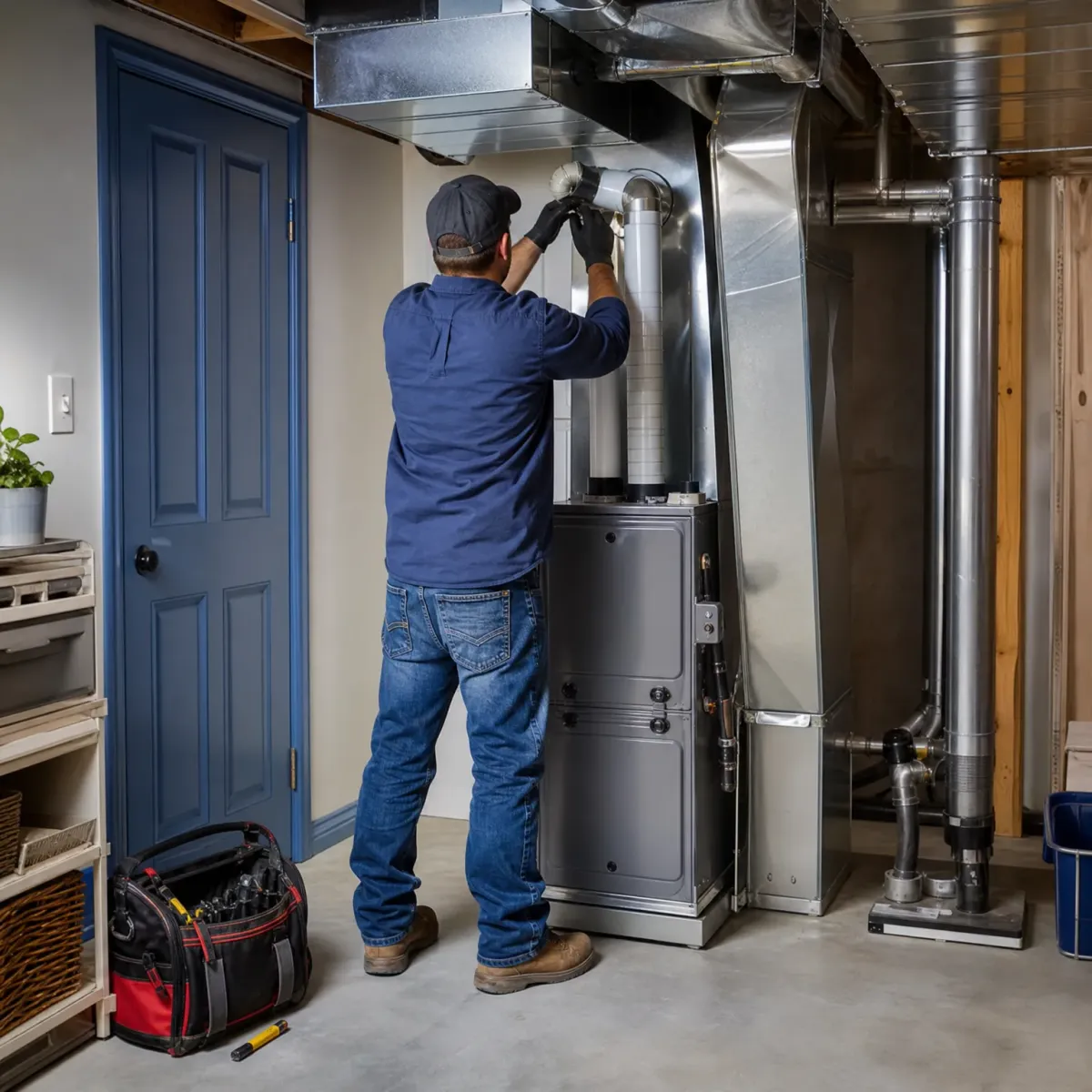
A man in a navy shirt, jeans and cap works with gloved hands on vent piping above a furnace in a basement utility area, with sheet-metal ductwork overhead, a blue door and shelving at left, and a tool bag on the floor.

Tell us about the job

Takes about a minute. No obligation.

New system or replacementNewton County, MO
Step 1 of 3

What kind of equipment?

Which costs less to run in Newton County?

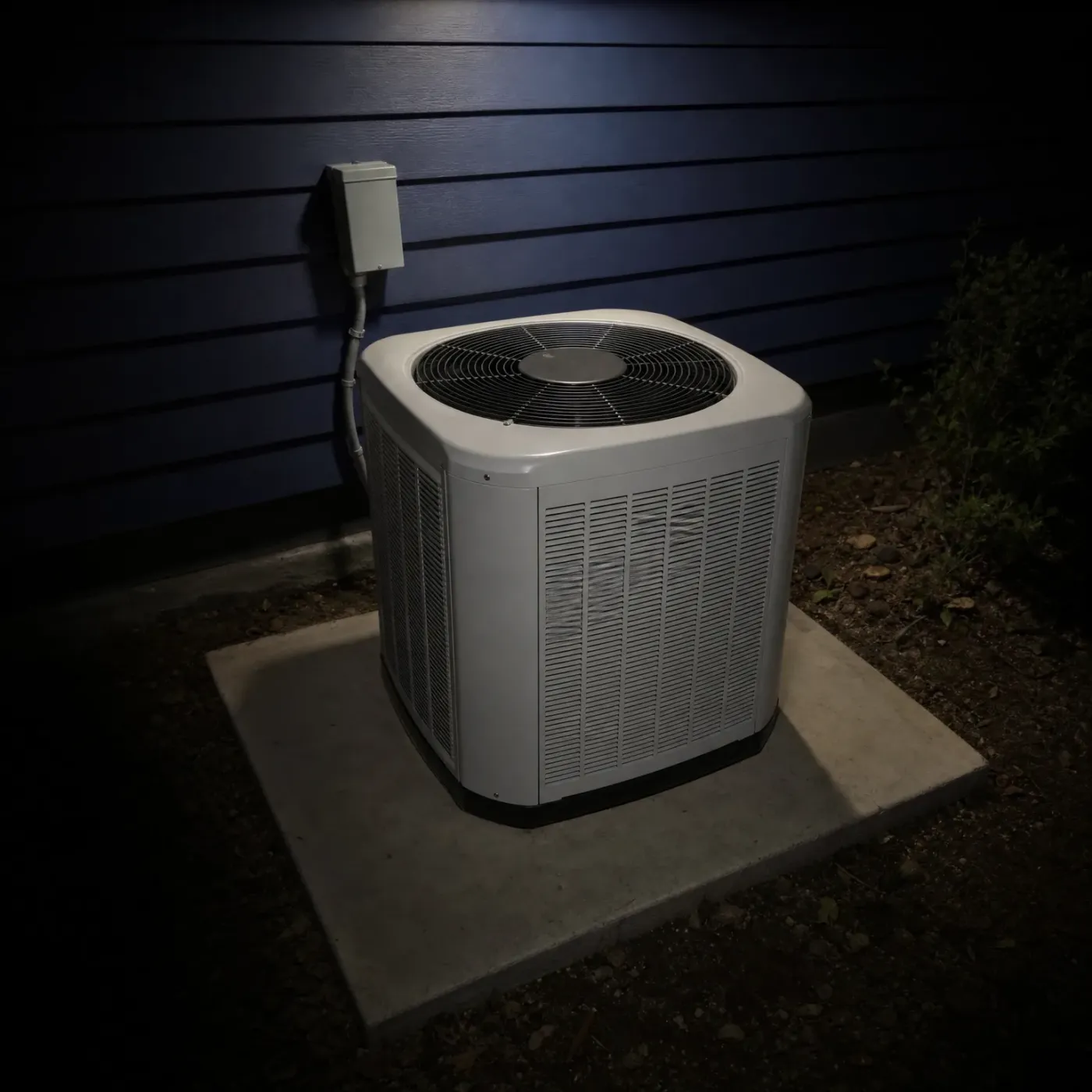
An outdoor air conditioner condenser unit on a concrete pad beside a dark blue horizontal-siding wall at night, with an electrical disconnect box and conduit on the wall above it.

Heat pump

To heat your home here$1.72per 100,000 Btu

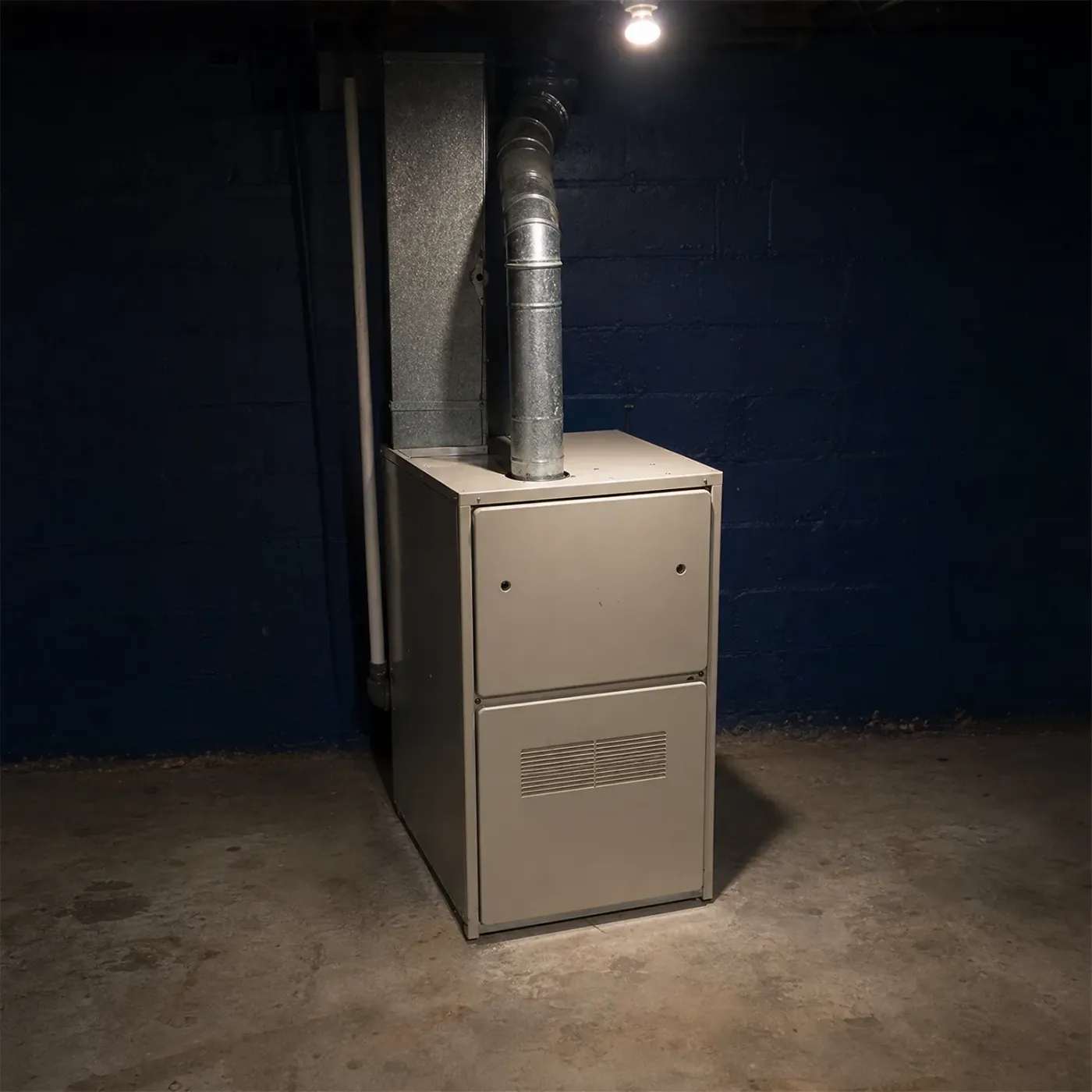
A beige gas furnace with a metal flue pipe and sheet-metal plenum stands against a blue-painted concrete block wall in a basement with a bare ceiling light.

Furnace

To heat your home here$2.06per 100,000 Btu

At Missouri's gas and electricity prices, a heat pump makes the same heat as a gas furnace for about 16% less.

Btu stands for British thermal unit, the standard measure of heat energy.

Where does a heat pump shine?

  • Covers a long cooling season

    Cooling runs May through September here, so you're leaning on that system most of the year. A heat pump handles both sides of that, heating and cooling, from one unit.

    A covered wooden porch with a ceiling fan, hanging fern, potted plants, a wooden dining table and chairs on a blue patterned rug, and a glass of iced tea on a dark slatted side table beside a cushioned sofa.
  • No gas line, nothing burning in the house

    There's no gas line to the unit and no flame anywhere in it. Carbon monoxide isn't part of the picture.

    A kitchen with navy blue shaker cabinets, white upper cabinets, light stone countertops, a glass cooktop with a stainless steel kettle on an island, two wooden stools, a gray tile backsplash, potted greenery, and a window showing trees outside.
  • Steady, even comfort

    It eases up and down with the weather. There are fewer swings between too warm and too cool.

    A dimly lit living room with a navy armchair holding an open book, a lit table lamp, a window with blue curtains, potted plants, a storage console with wicker baskets, and a light-colored dog sleeping on a patterned rug.

Where does a furnace shine?

  • Pairs with any central AC

    A furnace's blower and ducts carry cooled air too. Adding central AC uses the same system.

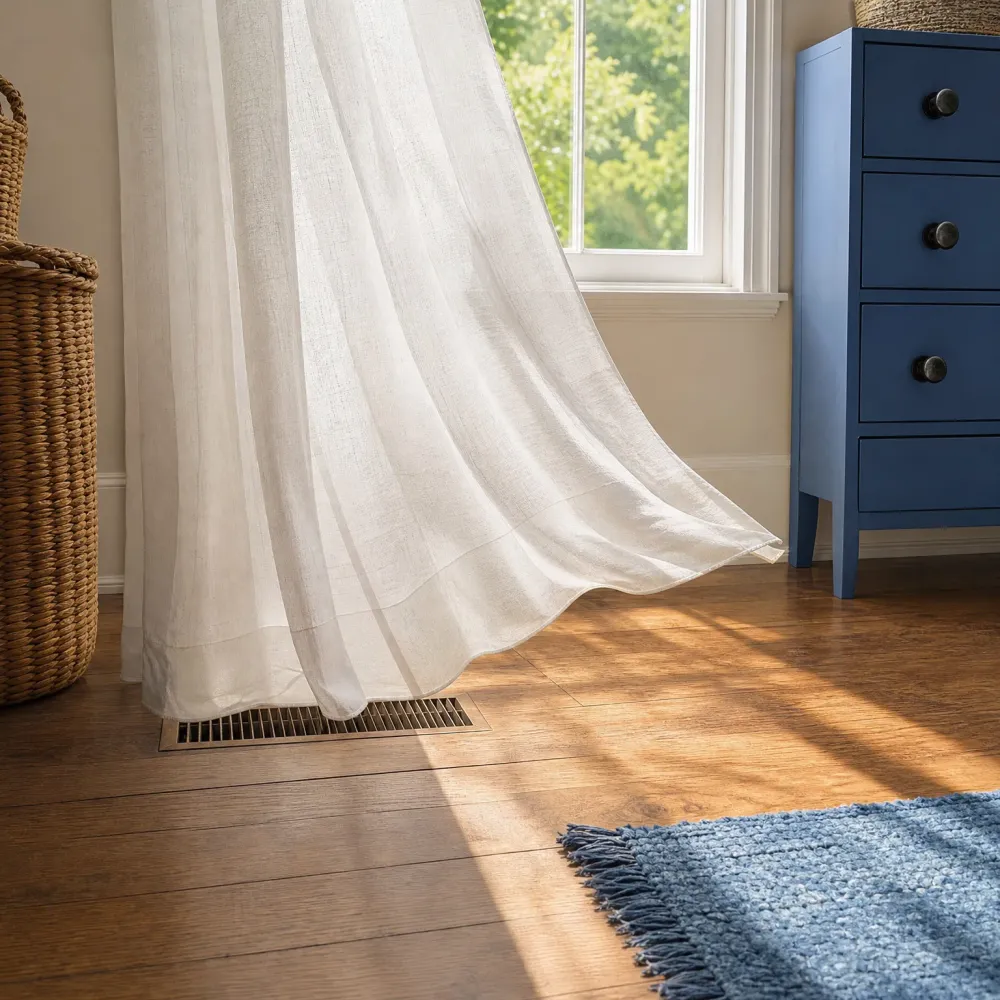
    A sheer white curtain hangs beside a sunlit window over a metal floor vent in a wood floor, with a blue chest of drawers, a woven basket, and a blue fringed rug nearby.
  • Proven, simple, easy to get serviced

    Gas furnaces have heated homes for generations. Almost every HVAC tech knows them inside and out.

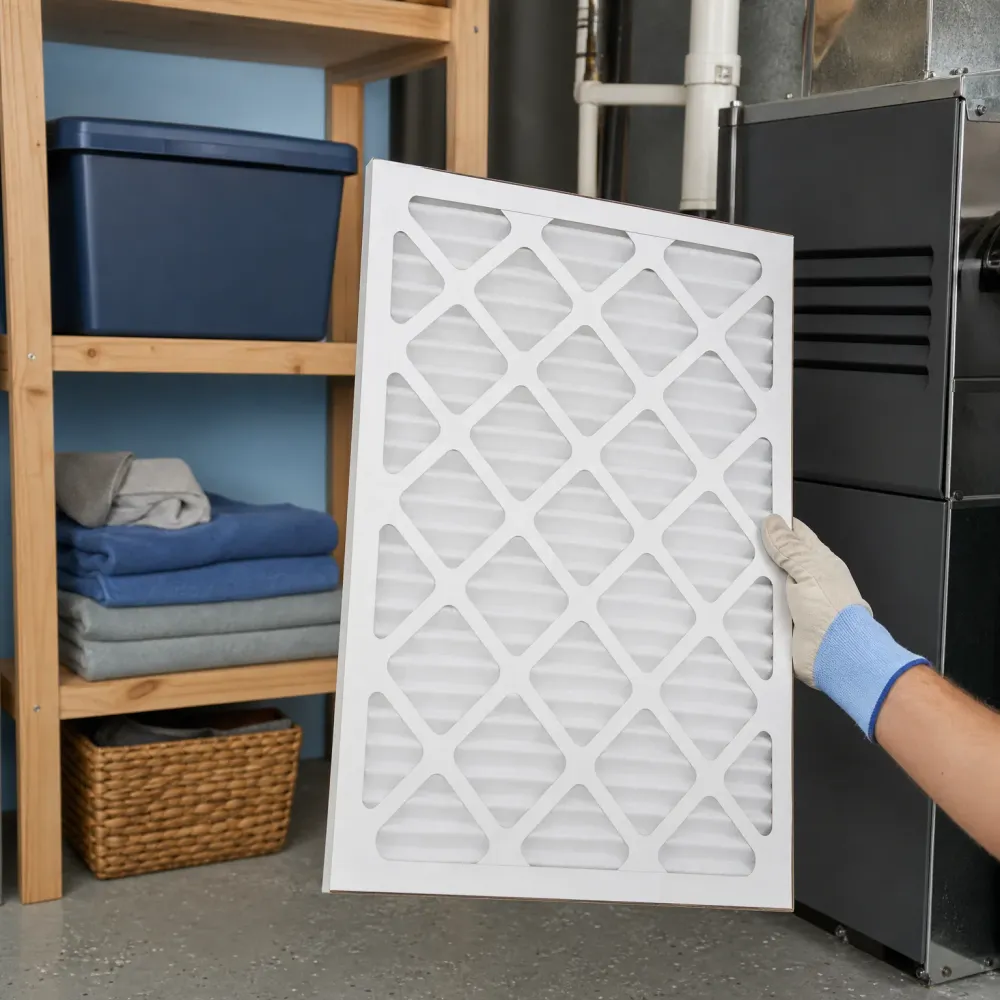
    A gloved hand holds a large white pleated air filter in front of a dark furnace, beside wooden shelves holding a storage bin, folded clothes, and a wicker basket.
  • Fast, strong heat on demand

    The air coming from the vents feels genuinely hot. That's welcome on a freezing morning.

    Interior entryway with a blue door with a window, a sheer curtain blowing inward, a steaming mug on a wooden bench with boots stored beneath, snow-dusted fur-lined boots on a stone floor, and a floor vent near the threshold.

What the cold here does to a heat pump

Winter is the long season here, seven months of it, October through April, against five months of cooling. Whatever you pick has to carry that seven-month load, and that's where a heat pump earns a second look. It costs less to run than a furnace at today's prices, $1.72 against $2.06 per 100,000 Btu, about 16 percent less for the same heat.

But the cost of running it only tells you half the story, because a standard heat pump doesn't put out the same heat on every night. Below 40°F it delivers less than its rated capacity, and below about 35°F it usually needs backup heat to make up the difference. The average overnight low here in December, January and February is 27°F. That's not an edge case. That's the average winter night, already past both marks.

Look at how often that happens. About 100 nights a year here drop to freezing or below, roughly half the nights across the whole heating season. Every one of those nights sits below the 35°F mark where a standard heat pump leans on backup heat. So the question isn't whether your heat pump will need help this winter. It's how often, and a plain-spec heat pump here will need it a lot.

The one piece of good news is how rarely it gets truly cold. Only about one night a year here falls to 0°F or below. A two-winter field test of cold-climate heat pumps in occupied homes found that backup heat carried only a small share of the load between 0°F and 35°F, and running on backup alone was rare even above 0°F. That test used cold-climate equipment, built to hold onto its heating capacity at low temperatures, not the federal-minimum machine priced in the running-cost comparison above. If you're buying a heat pump for a house here, that's the spec worth asking for: a unit certified for cold climates, rated to make at least 1.75 units of heat per unit of electricity at 5°F and to hold at least 70 percent of its capacity at that temperature. A standard heat pump will get you through most of the season cheaply. A cold-climate one is built for the nights that standard one struggles with.
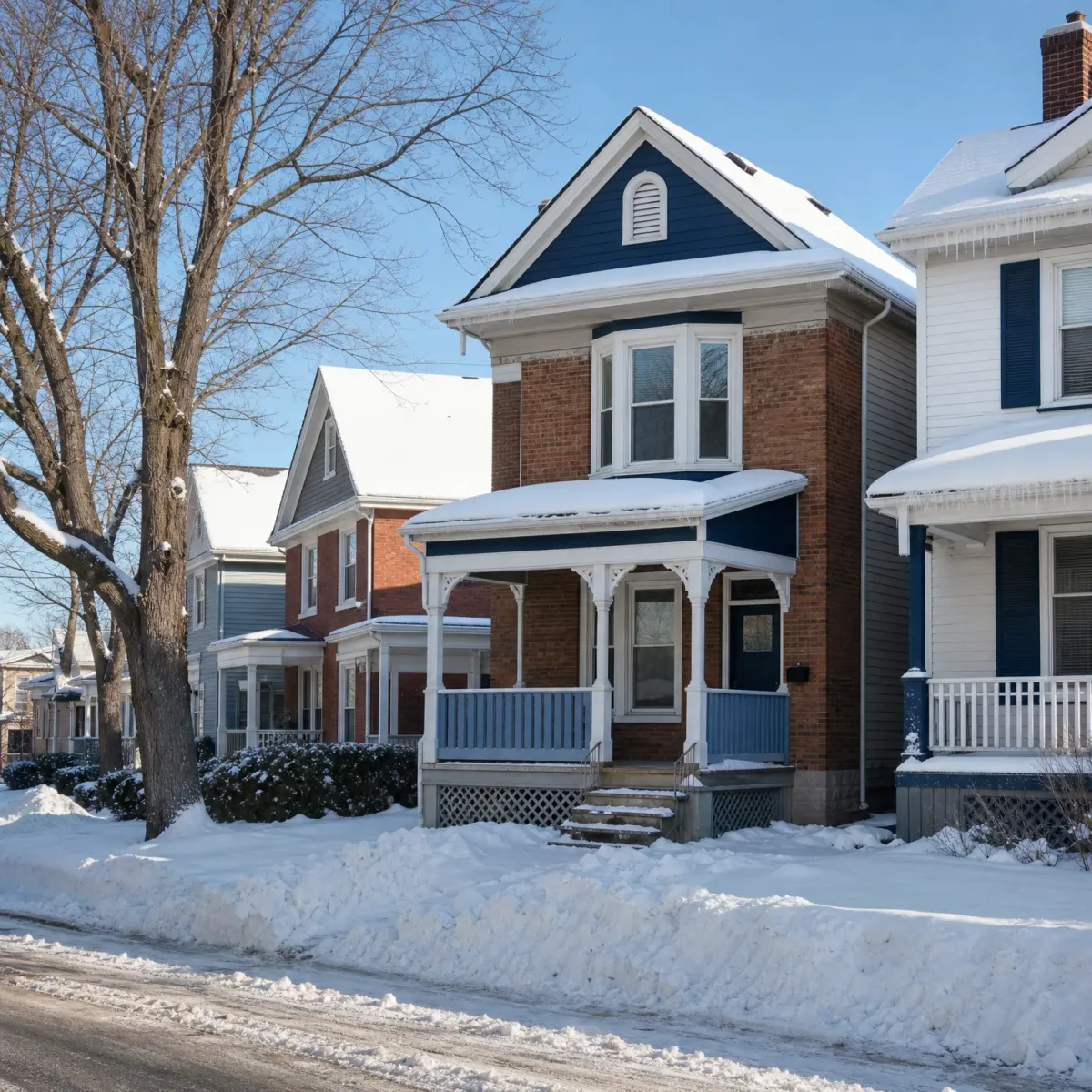
A two-story red brick house with navy trim, a white covered porch and bay window, flanked by neighboring houses on a snow-covered residential street under a clear blue sky.

What the furnace still has going for it

A furnace doesn't have any of these problems. It makes its full rated heat whether it's 27°F outside or 2°F, because it isn't pulling that heat from the outside air. For the coldest nights here, that's a real advantage, and it's why furnaces remain common in this county: utility gas heats about 27 percent of homes here and propane another 14 percent, well over a third of homes between them.

What a furnace doesn't do is cool your house. It only heats, so for the five months a year cooling runs here, May through September, including the 45 days a year that reach 90°F or hotter, a furnace is a machine sitting idle while a separate air conditioner does the work. A heat pump does both jobs with one piece of equipment, which matters most in a county where cooling season runs nearly half as long as heating season.

So the choice comes down to what you're set up for and what you want to deal with. If your house already has a gas line and ductwork sized for a furnace and separate AC, that system works, and a furnace replacement keeps it simple. If you're choosing new, or your gas line isn't there, a cold-climate heat pump costs less to run than a furnace at Missouri's current fuel prices and covers the cooling season too, as long as it's the cold-climate spec and not the federal-minimum unit priced above.

Sources: NOAA nClimDiv · NOAA 1991–2020 seasonal normals · EIA SEDS 2024 · 10 CFR 430.32 · PNNL Building America guide · PNNL-37127 field study · ENERGY STAR product criteria · Census ACS 2020–2024

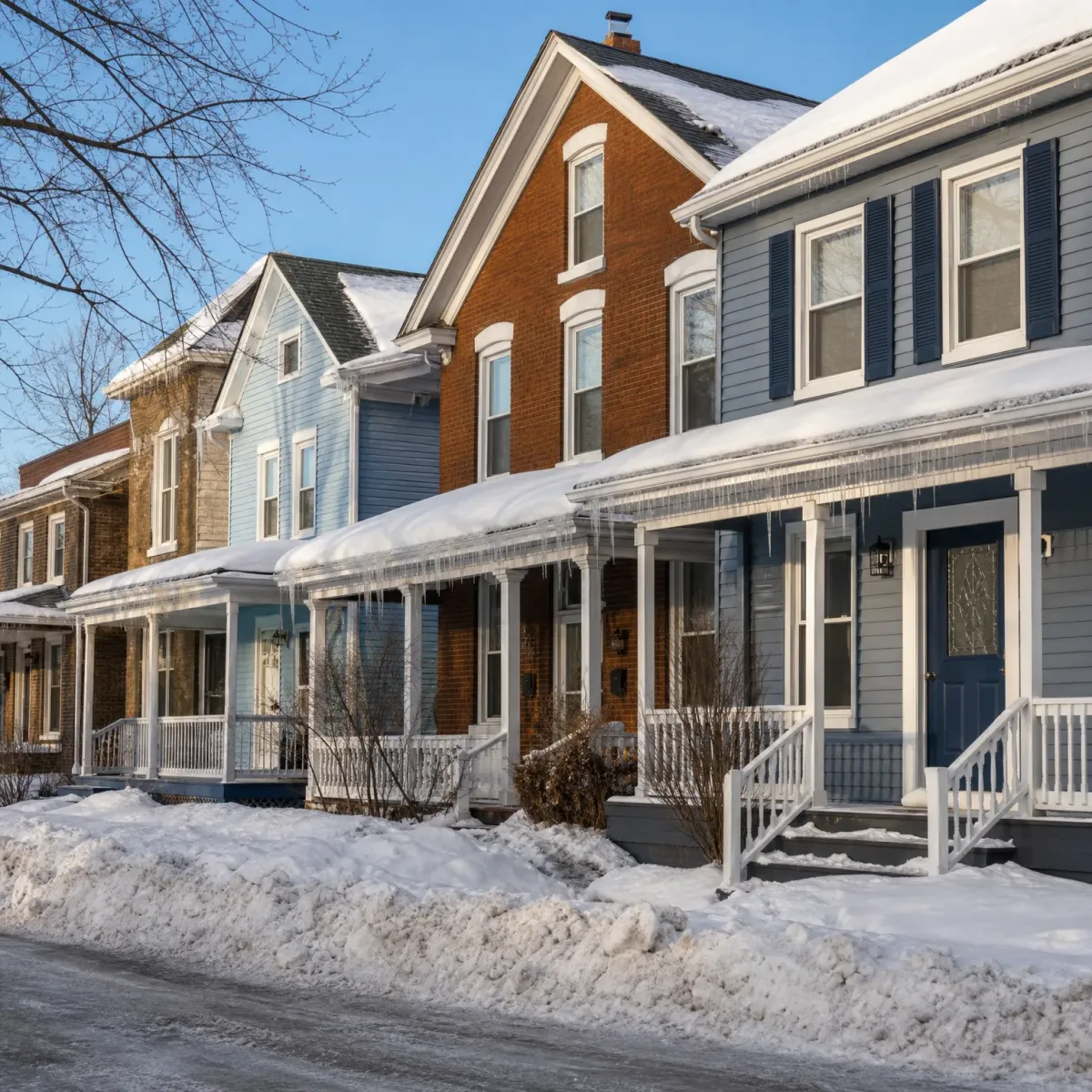
A row of two-story houses with covered front porches, one red brick and others with pale blue and gray siding, under snow-covered roofs with icicles, behind a plowed snowbank beside a bare road.

Common questions about heat pumps and furnaces

  • Do I need backup heat with a heat pump here?

    Most likely, yes. A standard heat pump's heating efficiency drops once it is below about 35°F outside, and the overnight low here falls to 32°F or below on about 100 nights a year. A cold-climate heat pump holds up much better in that range, so the answer also depends on which unit goes in.

  • Can I keep my furnace and add a heat pump?

    Yes, that pairing is common and it is called a dual fuel system. The heat pump carries the heating load most of the year, and the furnace kicks in on the coldest nights when the heat pump's output falls off. Here, the overnight low drops to 32°F or below about 100 nights a year, so the furnace would have real work to do.

  • What if my house doesn't have a gas line?

    A heat pump is the straightforward choice. It runs on electricity alone, so there is no line to run and no tank to keep filled. If you went with a furnace instead, you would be buying propane, and propane runs $21.30 per million Btu against $37.84 for electricity, which is the fuel the heat pump uses.

  • Is a heat pump cheaper to run than a furnace in Newton County?

    Yes. A heat pump here runs $1.72 per 100,000 Btu of heat against $2.06 for a gas furnace, so it costs less to make the same heat. That figure is for a heat pump built to the federal minimum and does not add anything for backup heat on the coldest nights, so the gap in an actual winter runs a bit narrower than those two numbers suggest.