



What happens below freezing
Your furnace question is really a cold weather question, because that's when a heat pump has to work hardest. The overnight low here averages 24 degrees across December, January and February, and it drops to freezing or below on about 100 nights a year. That matters because a standard heat pump starts losing heating capacity below 40°F and often needs backup heat below about 35°F. Here, every one of those 100 freezing nights falls below both marks.
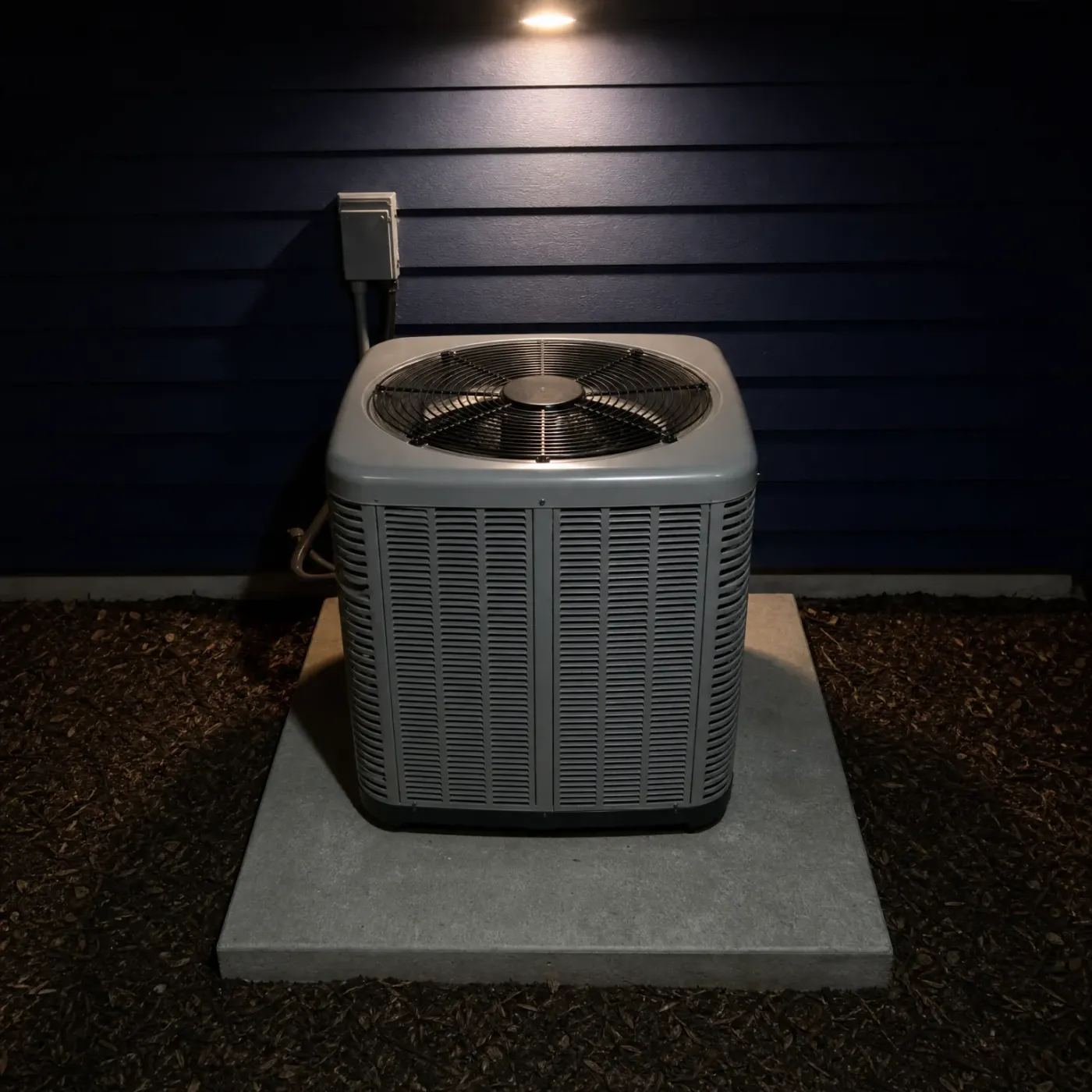
That doesn't mean the heat pump quits. It means it needs help on a lot of winter nights, usually electric resistance coils built into the same unit. The nights that push hardest, down to 0°F, only happen about twice a year here. A two winter field test of newer cold climate heat pumps in real homes found backup heat carried only a small share of the total heat even between 0°F and 35°F, and running on backup alone was rare except right at 0°F. So the hard freezes are brief and rare. It's the ordinary freezing night, the kind you get 100 of, where a standard heat pump leans on backup heat to keep up.
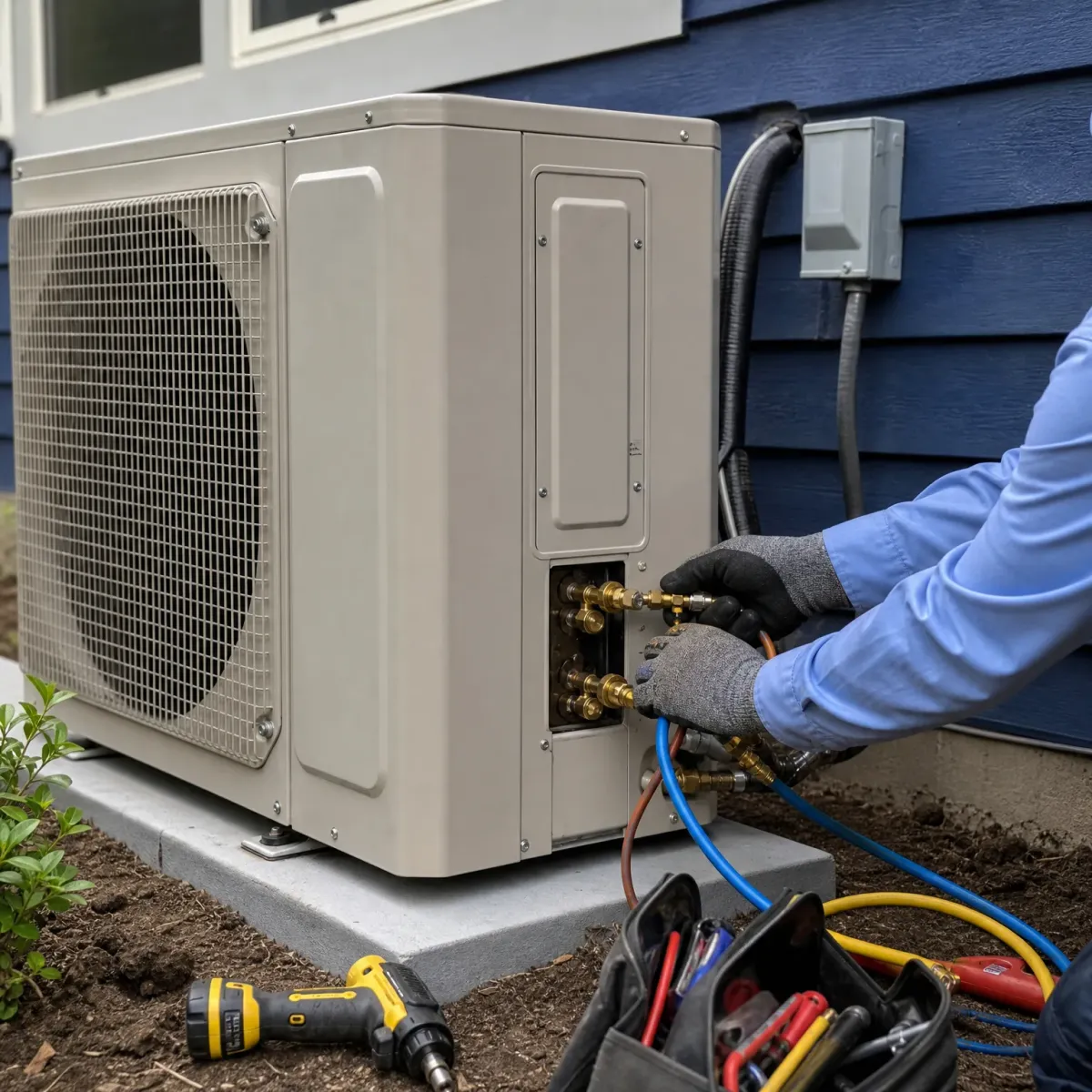
If you want a heat pump that holds up better on its own, look for the ENERGY STAR Cold Climate label. To earn it, a heat pump has to keep making heat efficiently at 5°F and hold onto most of its 47°F capacity at that same temperature, tested by someone other than the manufacturer. That's a different machine than the federal minimum unit priced in the running cost numbers above.