

Heat pump vs furnace in Cass County, Missouri

Get a Quote

Installers who work in Cass County

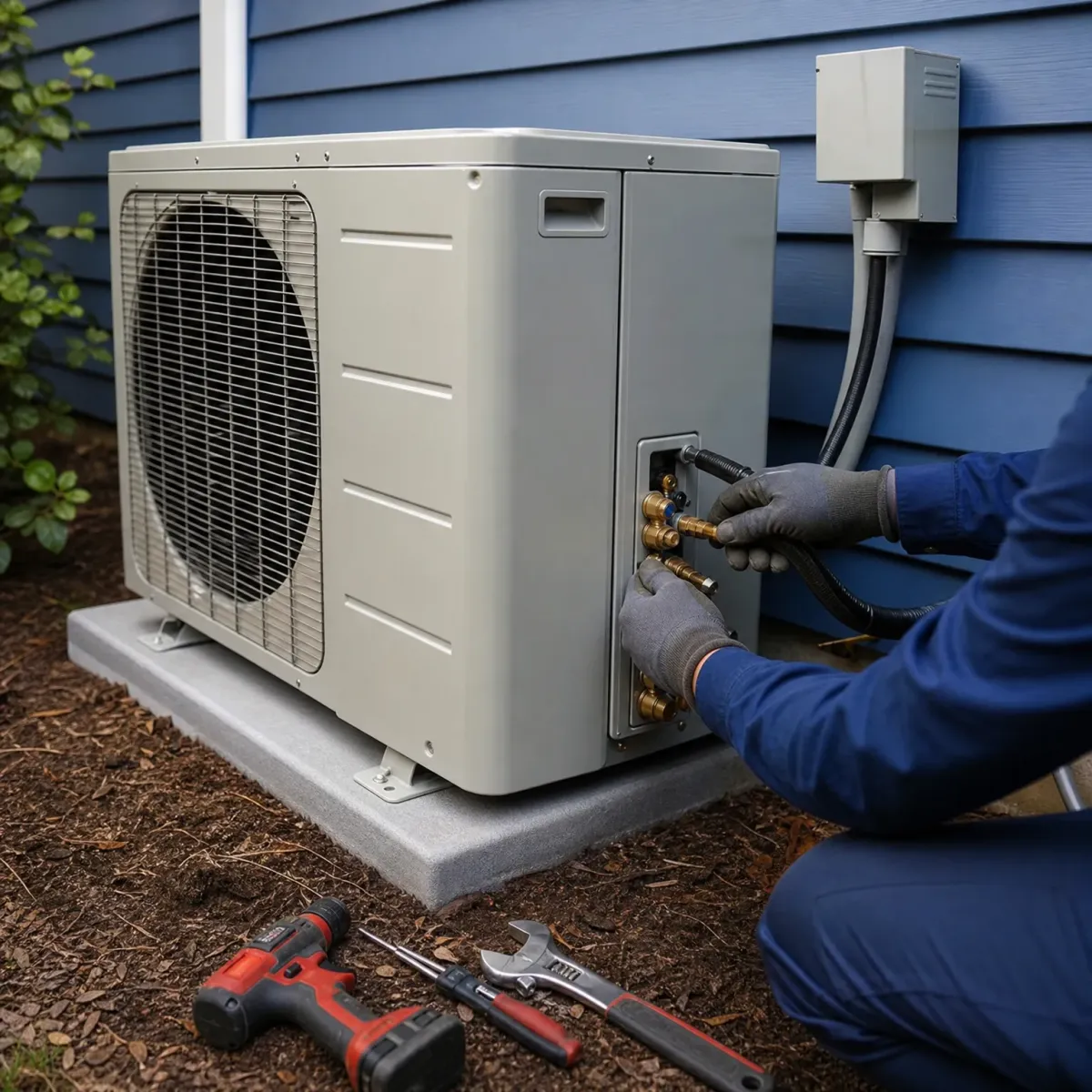
A person in a blue uniform and gray gloves works on the pipe connections of a gray outdoor condenser unit mounted on a concrete pad beside a blue clapboard wall, with a drill and wrench lying on mulch in the foreground.

Tell us about the job

Takes about a minute. No obligation.

New system or replacementCass County, MO
Step 1 of 3

What kind of equipment?

Which costs less to run in Cass County?

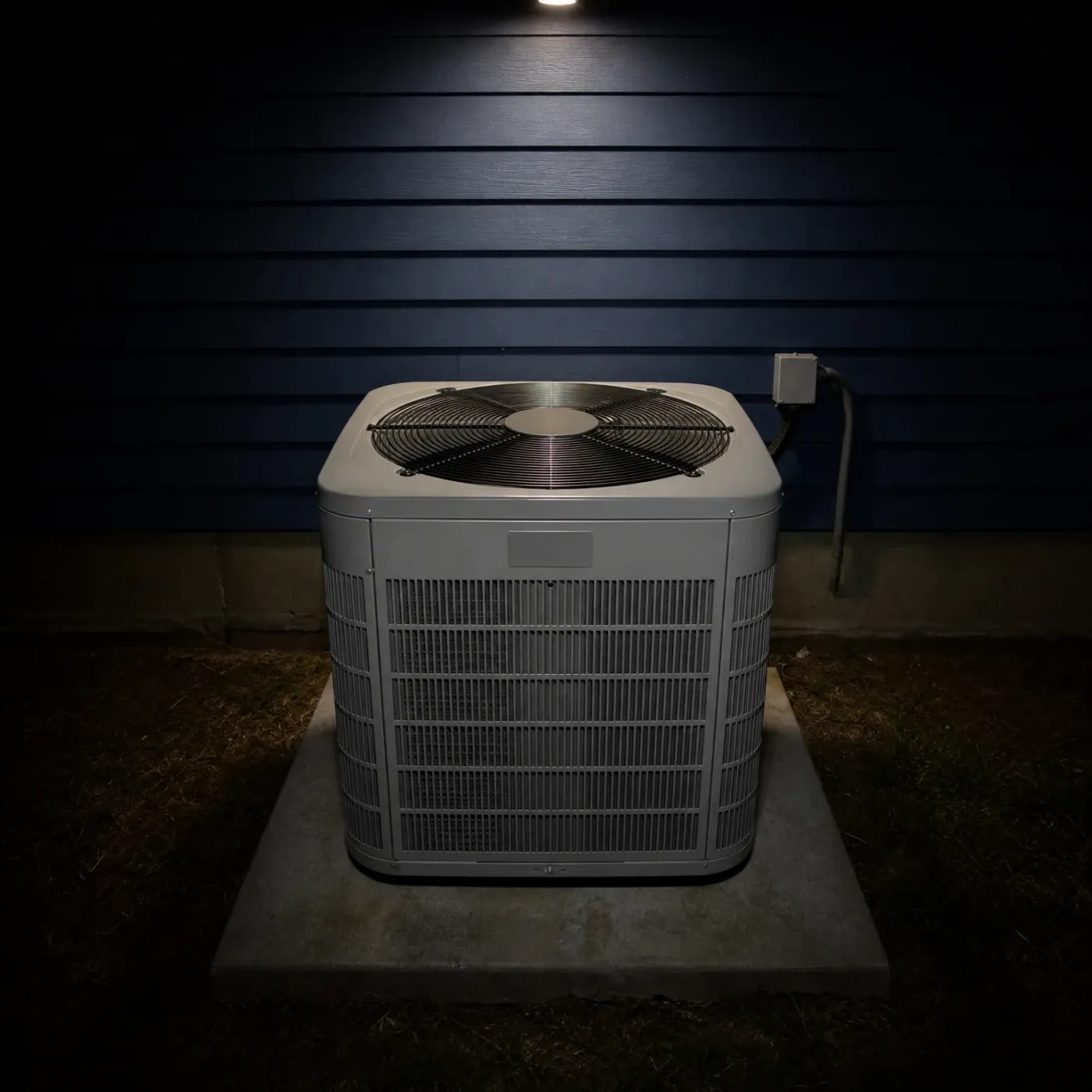
An outdoor condenser unit on a concrete pad against dark blue horizontal lap siding at night, lit from above, with a disconnect box and conduit on the wall behind it.

Heat pump

To heat your home here$1.72per 100,000 Btu

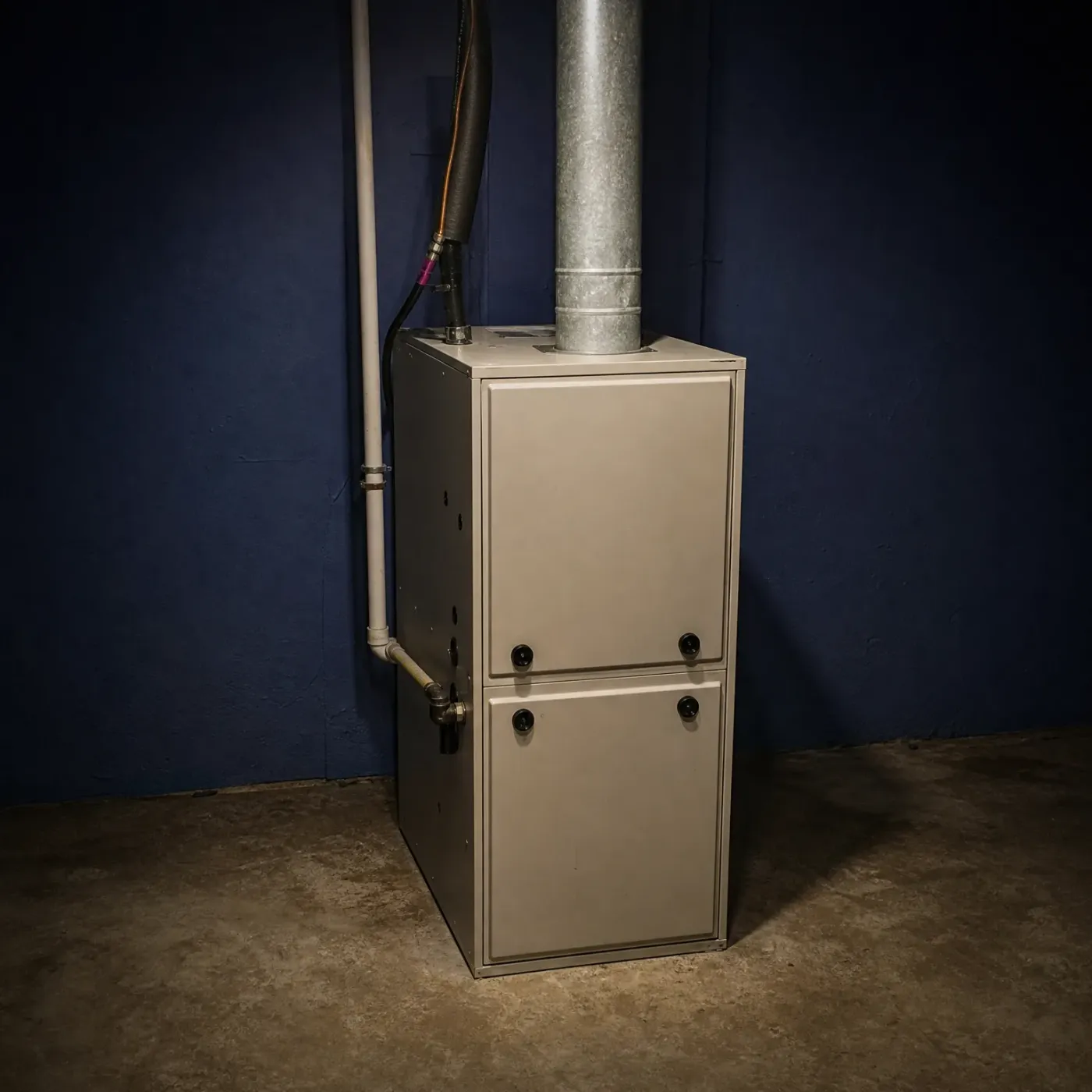
A beige furnace cabinet stands against a dark blue wall on a concrete floor, with a galvanized metal flue pipe rising from its top and white and insulated pipes running down the wall beside it.

Furnace

To heat your home here$2.06per 100,000 Btu

At Missouri's gas and electricity prices, a heat pump makes the same heat as a gas furnace for about 16% less.

Btu stands for British thermal unit, the standard measure of heat energy.

Where does a heat pump shine?

  • Covers a long cooling season

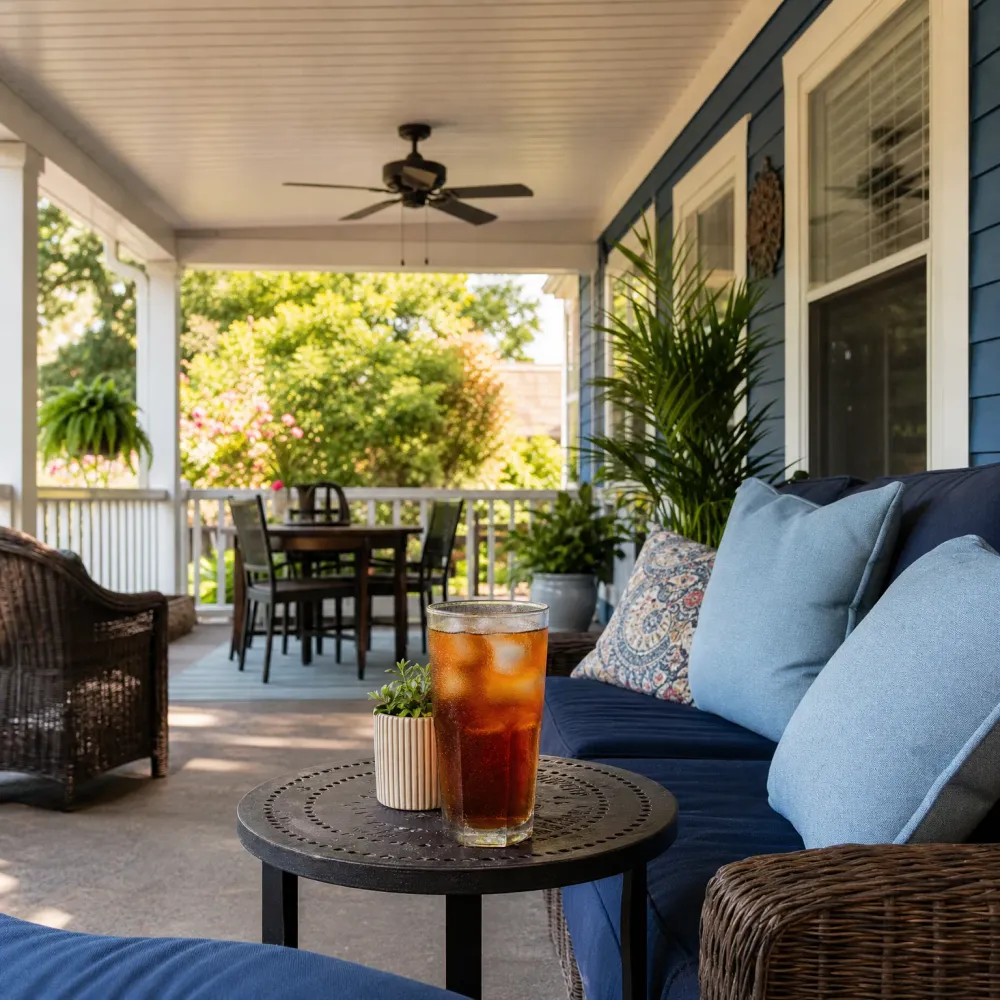
    Cooling runs May through September here, five months of the year. A heat pump earns its keep over a stretch that long, since it's doing both jobs, heating and cooling, across all those months.

    A covered porch with blue siding, a ceiling fan, wicker furniture with navy and light blue cushions, and a glass of iced tea beside a small potted plant on a round metal side table.
  • Steady, even comfort

    It eases up and down with the weather. There are fewer swings between too warm and too cool.

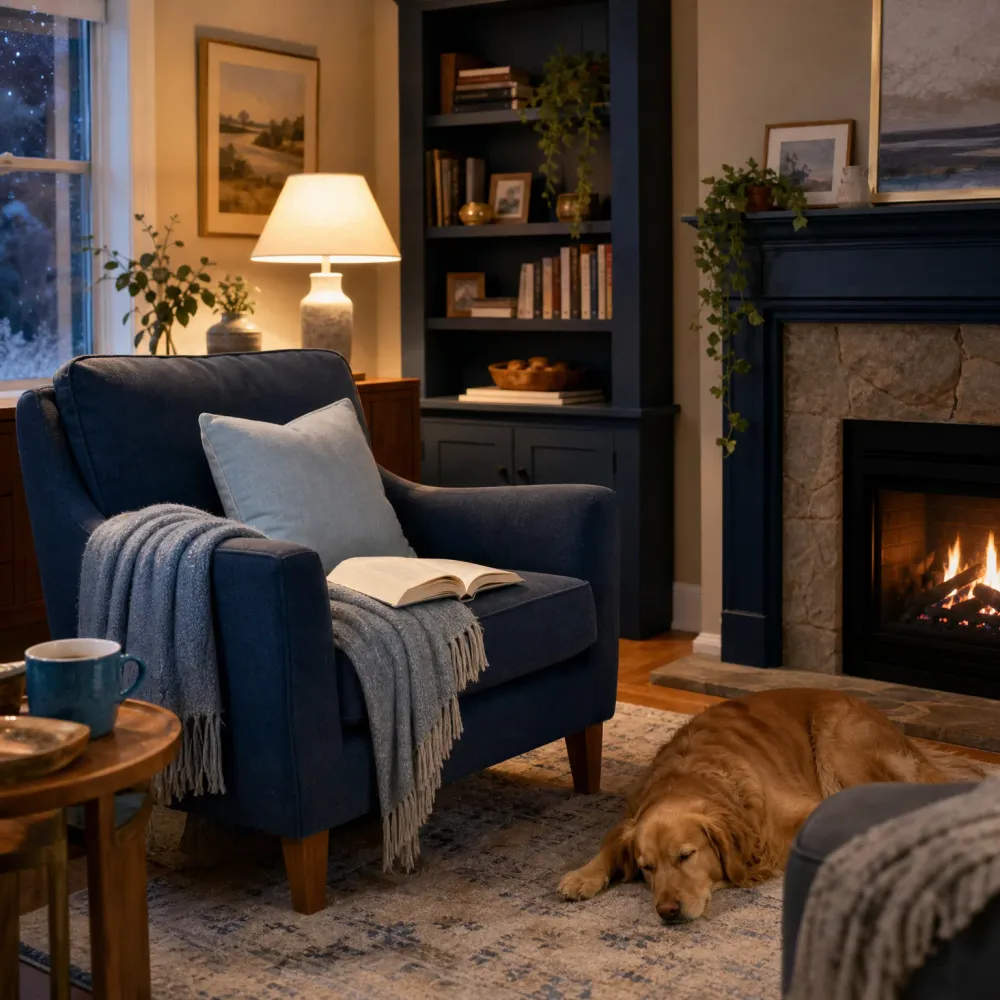
    A dimly lit living room with a navy armchair holding an open book, a gray throw and light blue pillow, a lit table lamp, built-in bookshelves, a lit gas fireplace with stone surround, and a golden retriever sleeping on a patterned rug.
  • No gas line, nothing burning in the house

    There's no gas line to the unit and no flame anywhere in it. Carbon monoxide isn't part of the picture.

    A kitchen island with a pale stone countertop holding a black induction cooktop and a stainless steel whistling kettle, with navy blue cabinetry, white subway tile backsplash, a wooden open shelf with ceramics, a potted plant, woven-seat wooden stools, and a loaf of bread on a cutting board.

Where does a furnace shine?

  • Runs on the gas most homes here already use

    More than half the homes in Cass County already run on utility gas. If yours is one of them, a gas furnace just hooks into what's already there.

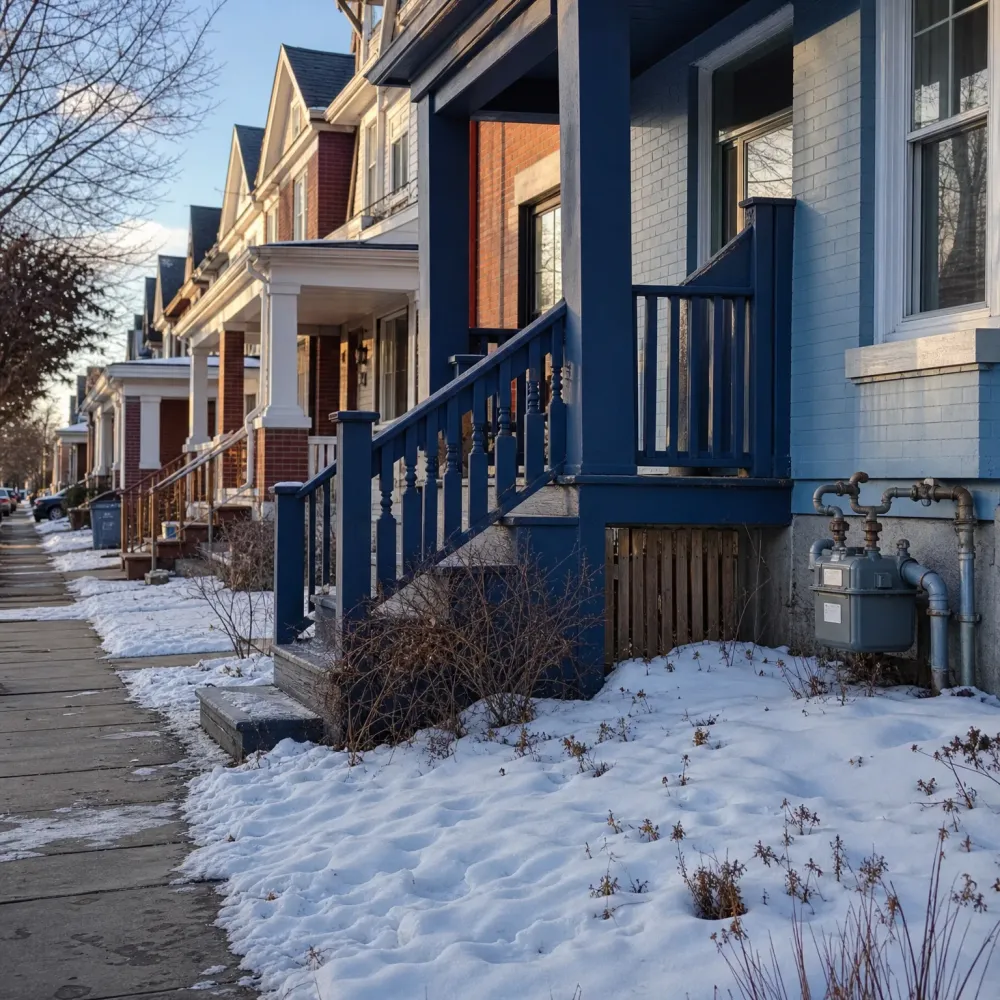
    A row of houses along a snowy residential street, with a blue-painted porch and railing in the foreground, a gas meter and pipes on the wall, and a cleared sidewalk at left.
  • Pairs with any central AC

    The ductwork that delivers heat in winter delivers cool air in summer once an AC coil is added.

    A metal floor register vent set into a wood plank floor beside a sheer white curtain lit by sunlight, with a woven jute rug in the foreground and a dark blue cabinet at left.
  • Fast, strong heat on demand

    Turn the heat up and the furnace answers right away. There's no long wait for the house to catch up.

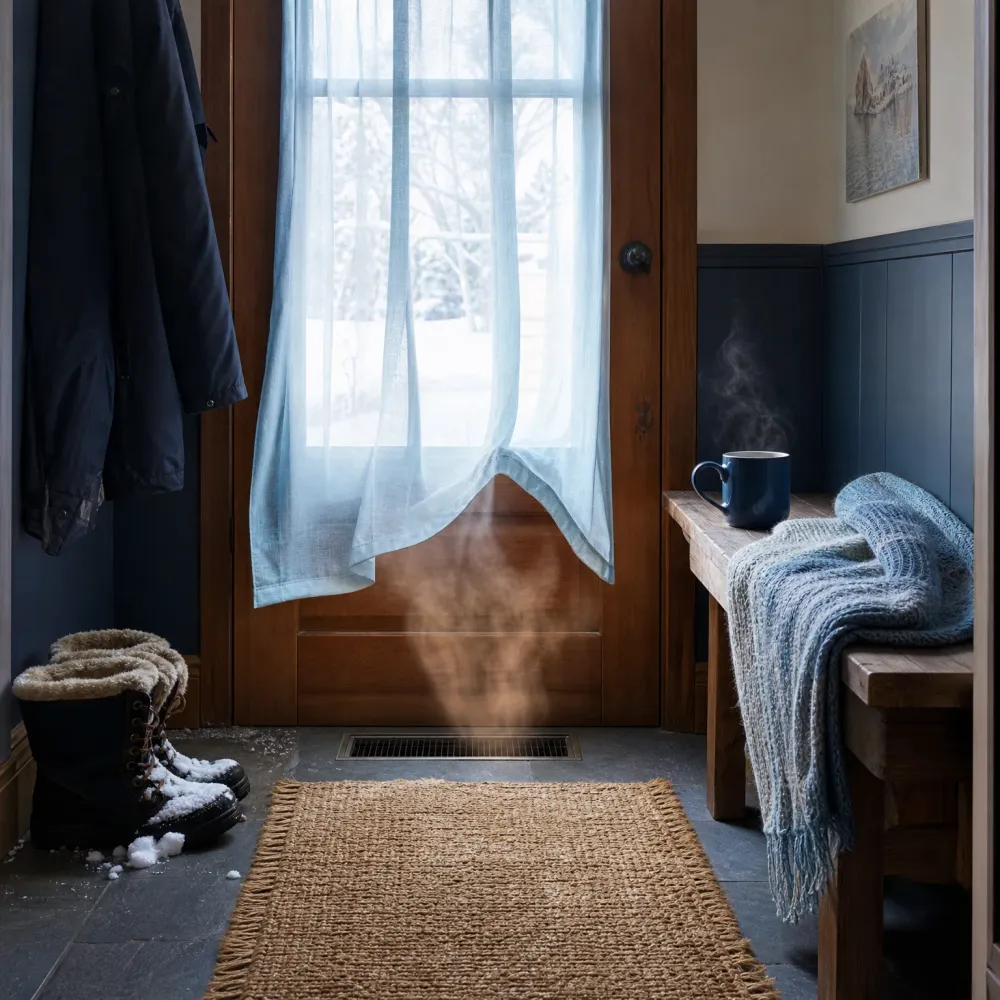
    An entryway with a wooden door and sheer curtain over its window, a floor vent emitting visible steam, snow-covered boots and a hanging coat at left, and a wooden bench with a dark blue mug and knit throw at right over a jute rug on stone flooring.

What winter here does to a heat pump

Your winter low here averages 24°F, and that sits below both marks that matter for a heat pump. Below 40°F a standard heat pump puts out less than its rated capacity, and only a fraction of that once temperatures reach the teens. Below about 35°F it often needs backup heat to make up the difference. At 24°F you are past both marks, not close to either.

This is not a handful of cold snaps. About 105 nights a year here fall to freezing or below, roughly half the nights across the seven months your heat runs. On most winter nights, a standard heat pump in Cass County is working below the point where it heats at full strength.

The other number is smaller and worth keeping in proportion. Only about 3 nights a year drop to 0°F or below. The deep cold is rare here. What's common is mild cold, night after night in the low to mid 30s, and that is exactly the range where a heat pump's output starts to fall off.

A furnace does not have this problem. It burns gas to make heat, and a furnace's output does not depend on how cold the night gets. A heat pump's does.
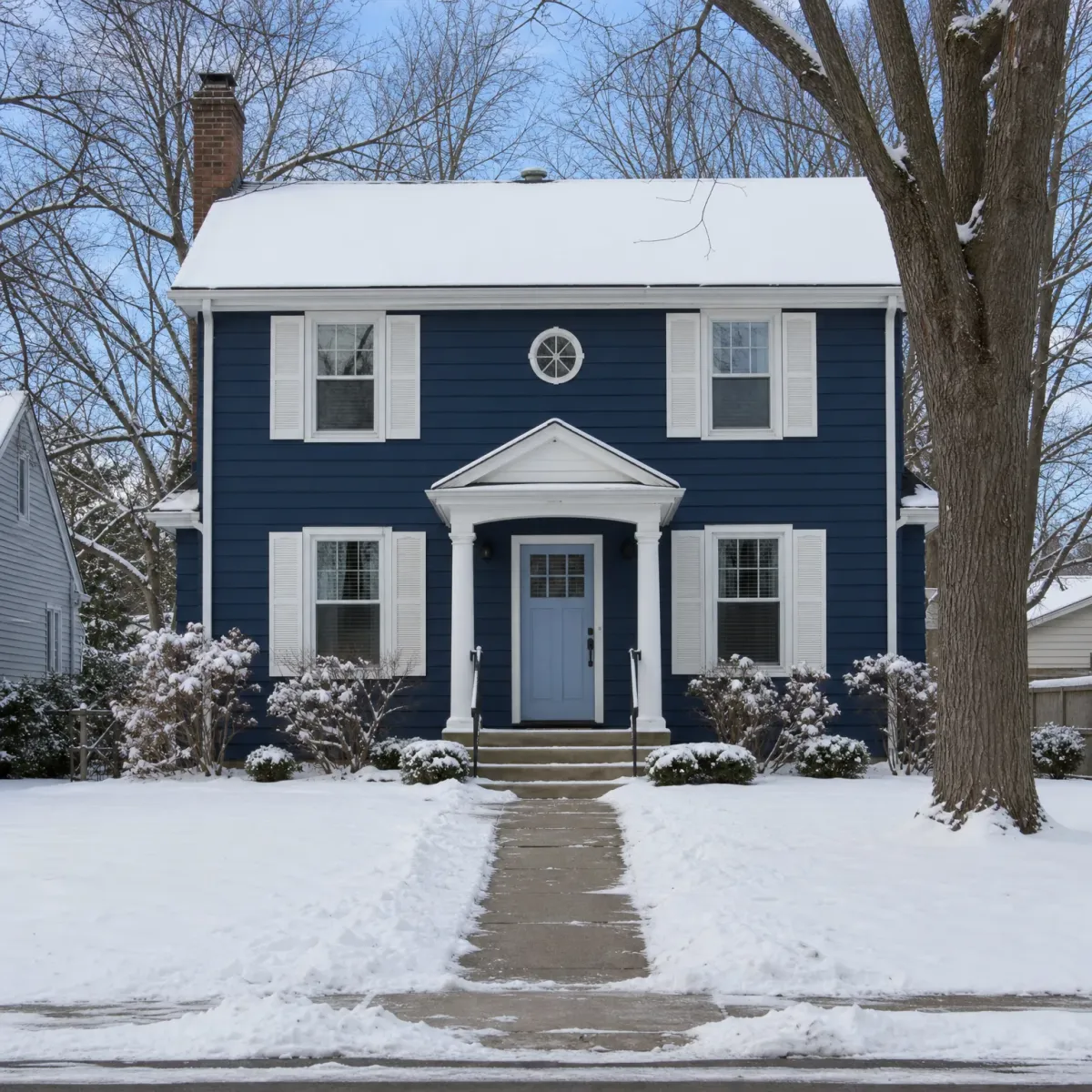
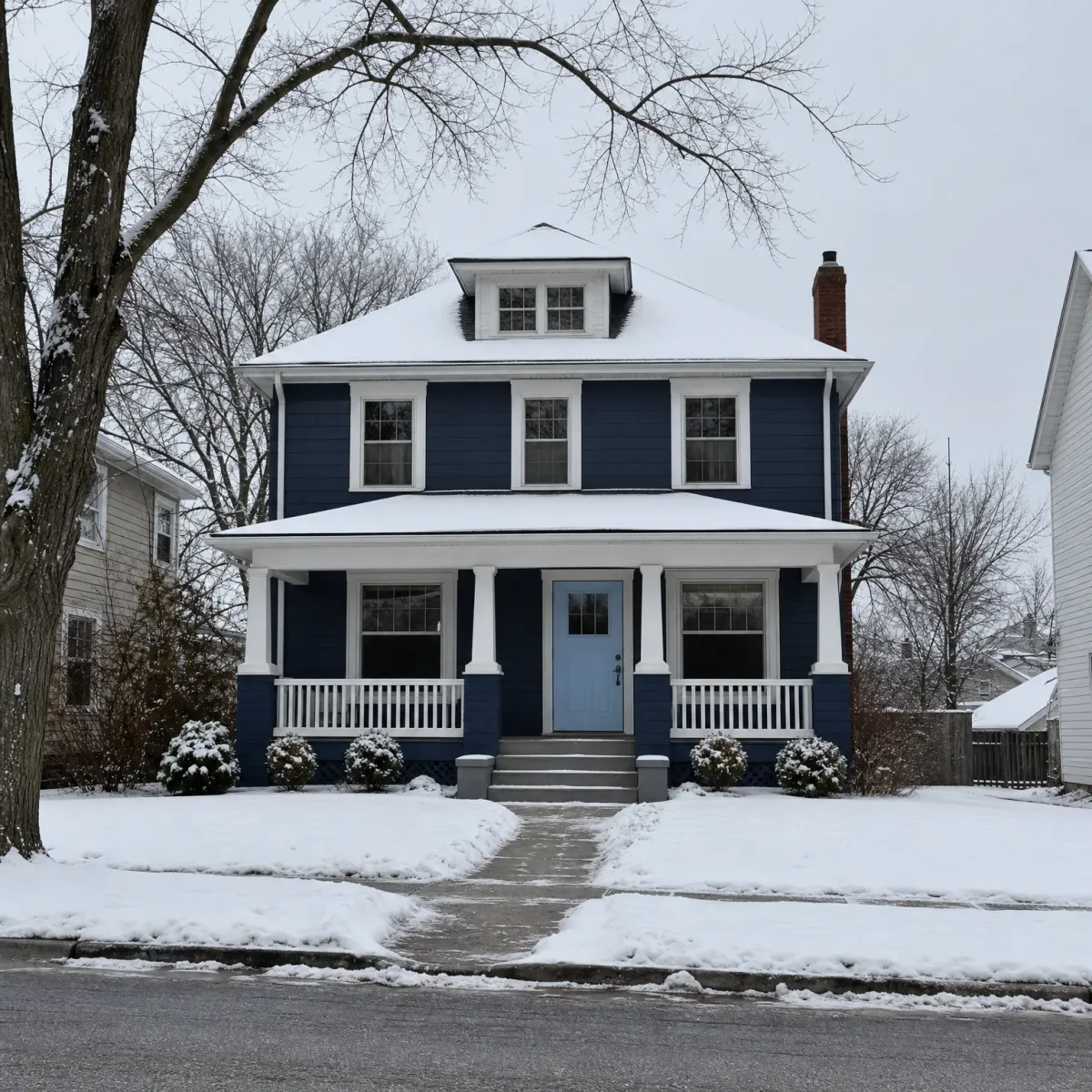
A two-story navy blue house with white shutters, trim and a small front portico, with a snow-covered roof and yard and a cleared concrete walkway leading to the front steps.

Where that leaves the choice

On straight running cost, the heat pump wins. Missouri's fuel prices put a heat pump at $1.72 per 100,000 Btu of heat against $2.06 for a furnace, about 16% less to make the same heat. That figure is for a heat pump at the federal minimum rating, with nothing added for backup heat on the cold nights, so it tells you about typical nights, not the coldest ones.

A heat pump also covers your summer. Cooling runs about five months here, May through September, with about 35 days a year reaching 90°F or above, and a heat pump is a central air conditioner for that whole stretch, no separate unit needed. A furnace only heats. For the five months of the year it is not winter, a furnace does nothing, and you need a separate AC alongside it either way.

If you want a heat pump to carry the cold nights here without leaning hard on backup heat, look for one with the ENERGY STAR Cold Climate mark. That designation requires at least 1.75 units of heat per unit of electricity at 5°F, and at least 70 percent of its 47°F capacity still available at that temperature, both verified by outside testing. A standard heat pump is not built to hit that. A cold climate model is.

Just over half the homes here, 54.8%, already heat with utility gas, and a furnace runs on that same line with no changes. About a third, 33.1%, heat with electricity already. If your house is set up for gas heat, that favors the furnace on simplicity. If you are deciding fresh, the heat pump's summer cooling and lower running cost make the stronger case, as long as it is a cold climate model or paired with backup heat sized for nights at 24°F and below.

Sources: NOAA nClimDiv · NOAA 1991–2020 seasonal normals · Census ACS 2020–2024 · EIA SEDS 2024 · 10 CFR 430.32 · PNNL Building America guide · PNNL-37127 field study · ENERGY STAR product criteria

A two-story dark blue house with white trim, a covered front porch, dormer window and brick chimney, behind a snow-covered front yard with a cleared walkway and bare trees under an overcast sky.

Common questions about heat pumps and furnaces

  • Can a heat pump heat a house through a Missouri winter?

    Yes, but a standard one loses capacity doing it. Below 40°F a conventional heat pump puts out less than its rated heat, and only a fraction of it once it drops into the teens. Three nights a year here reach 0°F, and that's where a heat pump built and verified for cold climates holds onto far more of its capacity than a standard model.

  • Do I need backup heat with a heat pump here?

    Most houses with a standard heat pump need it. Below about 35°F a standard heat pump often needs a backup source, and the overnight low here averages 24°F in December, January and February. It falls to freezing or below on about 105 nights a year, so backup heat is doing real work most winters, not sitting unused.

  • Can I keep my furnace and add a heat pump?

    Yes, and here that often means the furnace keeps its job. A heat pump can carry the house most nights, then the furnace takes over when it gets cold enough that the heat pump needs help. With an average winter low of 24°F, that handoff happens on a real number of nights here, not just once or twice a season.

  • Is a heat pump cheaper to run than a furnace in Cass County?

    Yes, on average across the year. A heat pump runs $1.72 per 100,000 Btu here against $2.06 for a gas furnace, because it's moving heat rather than burning fuel to make it. That number is for a heat pump built to the federal minimum and doesn't include whatever backup heat it needs on the colder nights, and about 105 nights a year here drop to freezing or below.