
Heat pump vs furnace in Jefferson County, Missouri

Get My Quote

Heat pump or furnace, one form

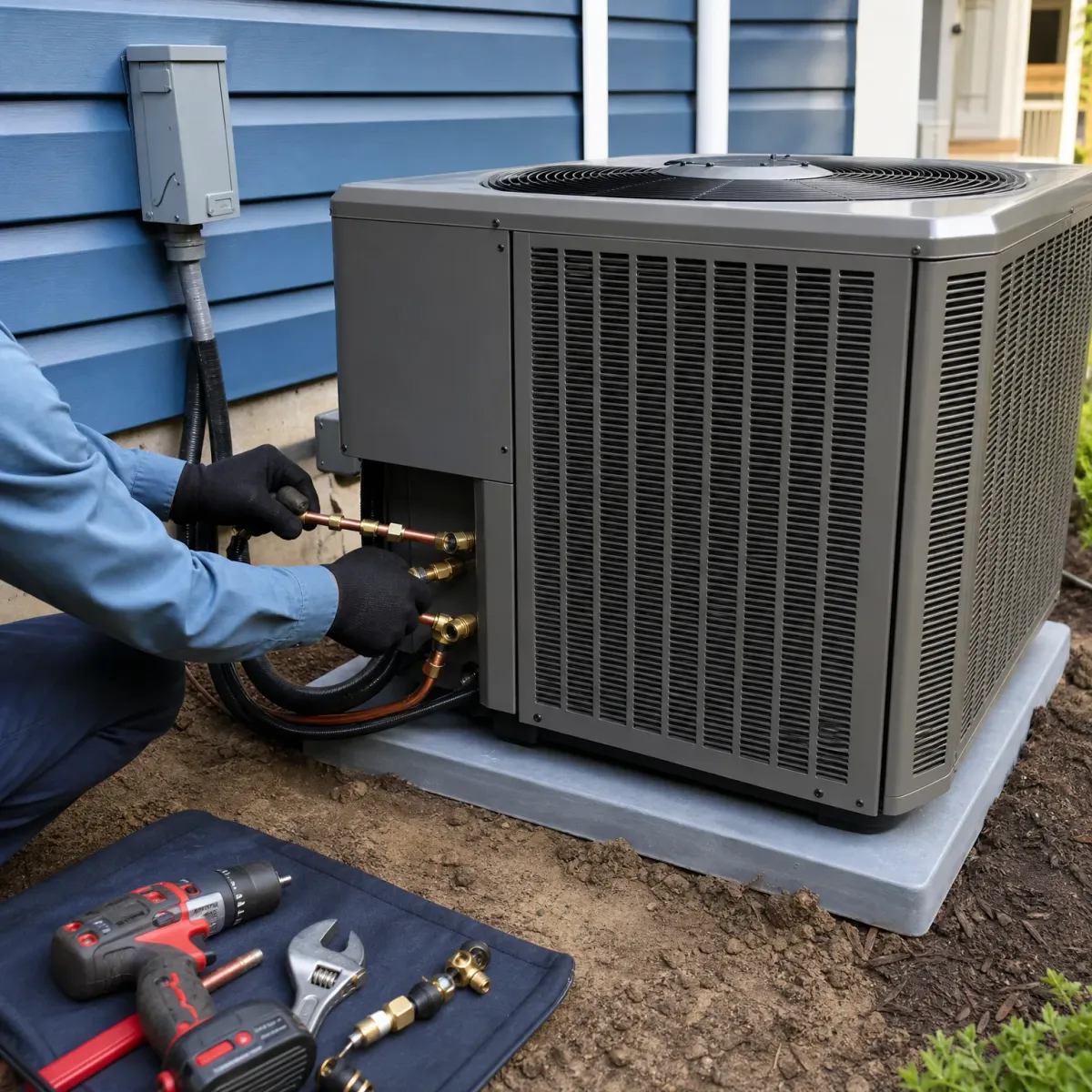
A person in a blue shirt and black gloves kneels beside an outdoor air conditioning condenser unit on a concrete pad next to blue lap siding, working on copper refrigerant lines, with a wrench, drill and brass fittings on a cloth in the foreground.

Tell us about the job

Takes about a minute. No obligation.

New system or replacementJefferson County, MO
Step 1 of 3

What kind of equipment?

Which costs less to run in Jefferson County?

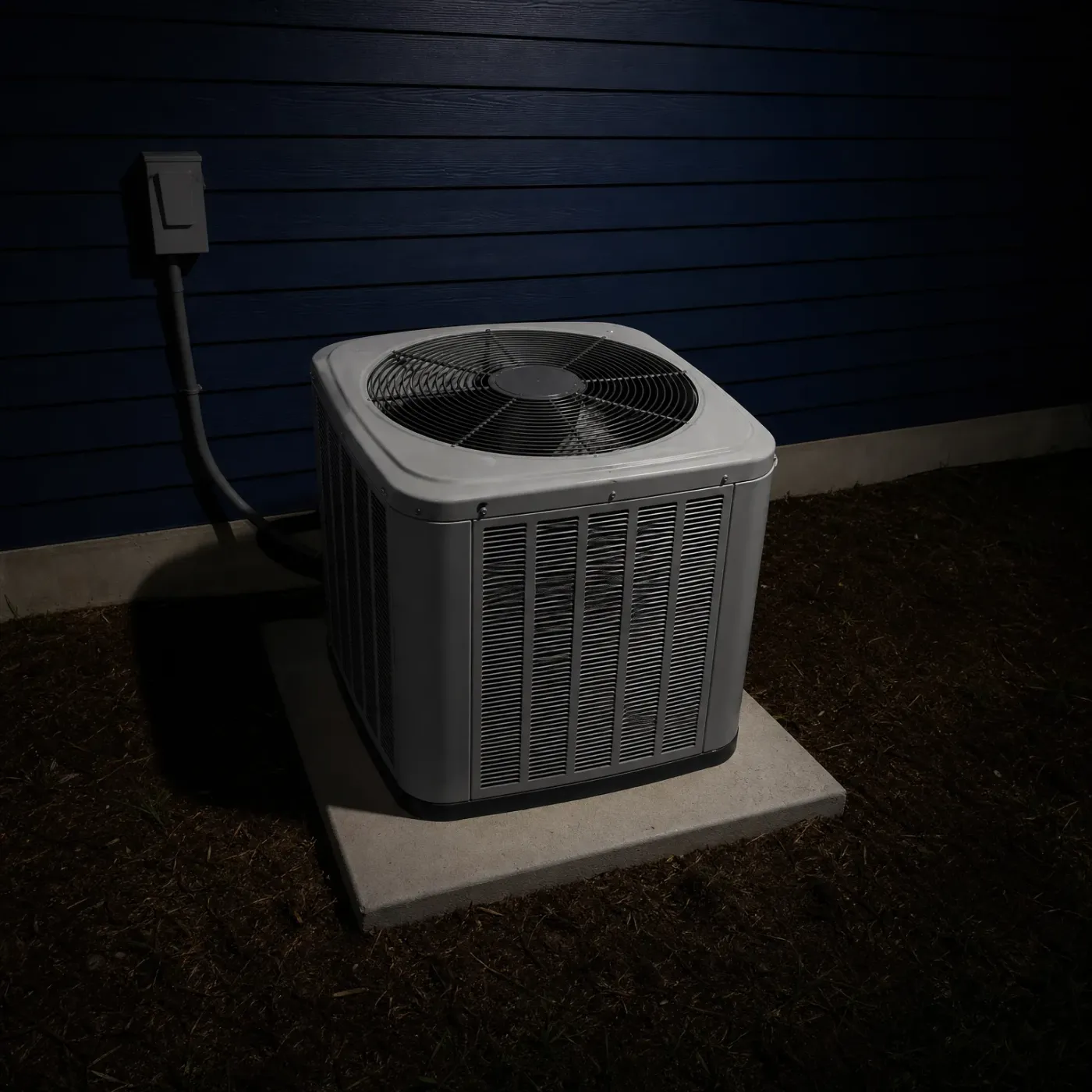
An outdoor air conditioner condenser unit on a concrete pad beside a dark blue horizontal-lap sided wall, with a disconnect box and conduit on the wall, surrounded by bare soil at night.

Heat pump

To heat your home here$1.72per 100,000 Btu

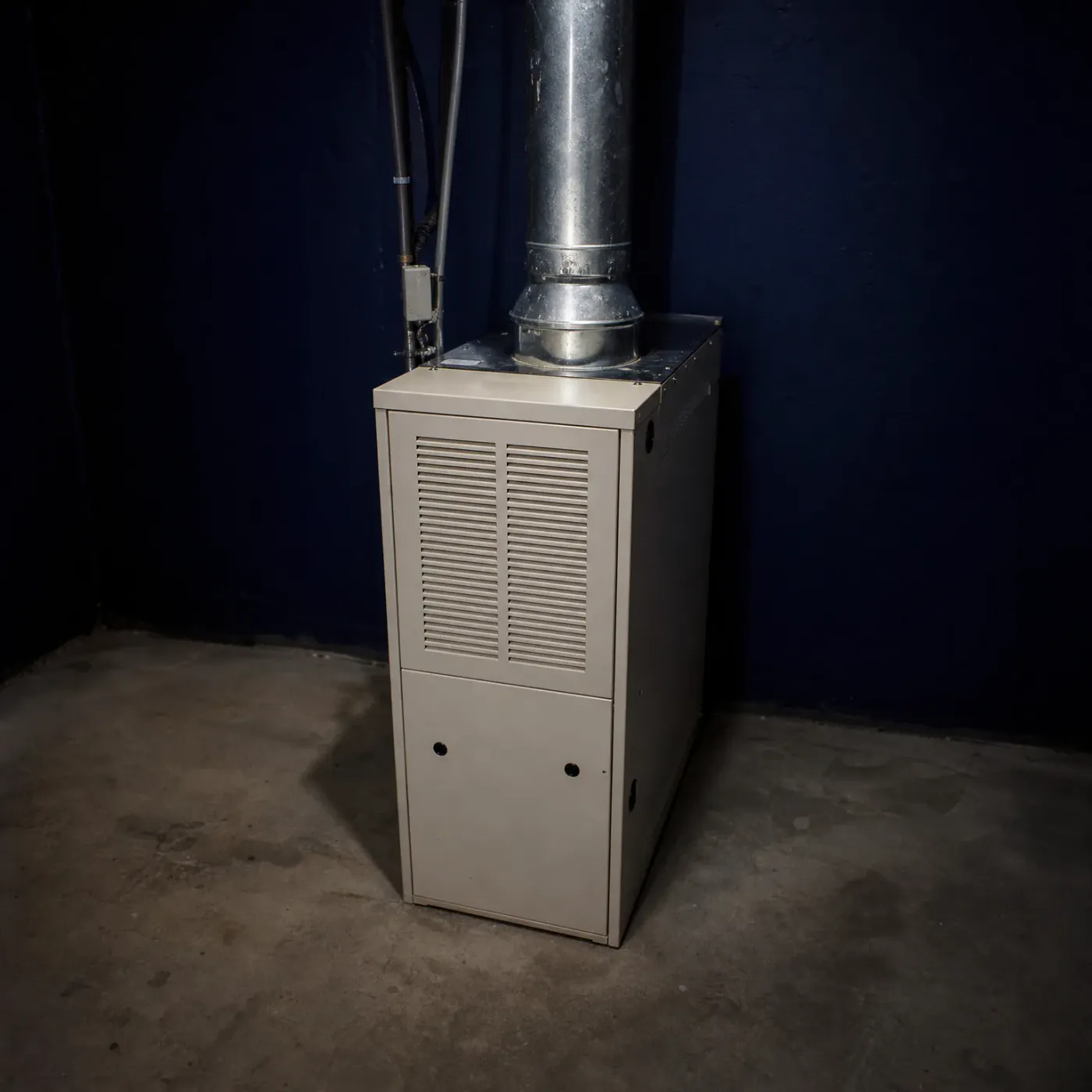
A beige residential furnace with a louvered front panel stands on a concrete floor in a basement corner with dark blue walls, connected to a galvanized metal flue pipe rising to the ceiling.

Furnace

To heat your home here$2.06per 100,000 Btu

At Missouri's gas and electricity prices, a heat pump makes the same heat as a gas furnace for about 16% less.

Btu stands for British thermal unit, the standard measure of heat energy.

Where does a heat pump shine?

  • Covers a long cooling season

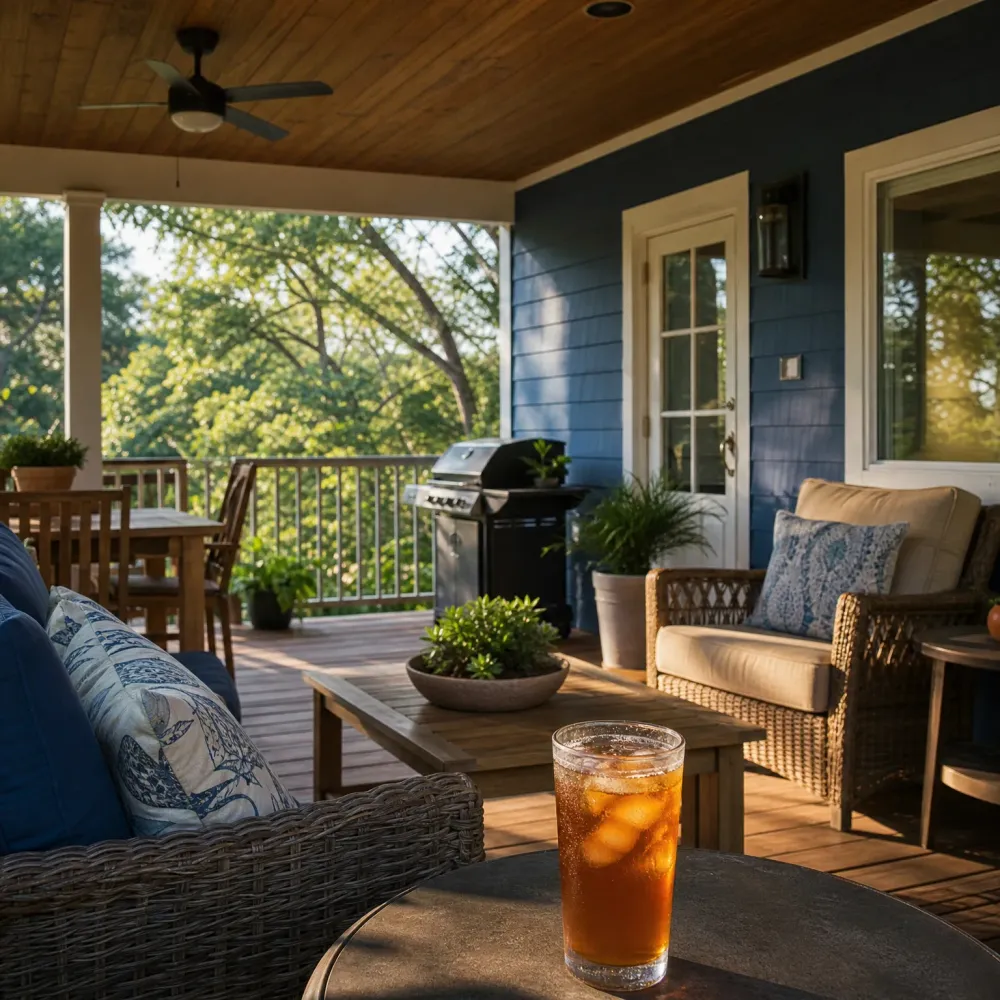
    May through September is five months of cooling in Jefferson County. A heat pump handles that whole stretch itself, since cooling is just what it does the rest of the year in reverse.

    A covered porch with blue lap siding, wood ceiling and ceiling fan, wicker furniture with cushions, a wooden table, a gas grill, potted plants, and a glass of iced tea in the foreground, with green trees beyond the railing.
  • No gas line, nothing burning in the house

    A heat pump runs on electricity alone. Nothing burns inside the house.

    A kitchen with navy blue cabinets, white marble countertops, a white subway tile backsplash, a stainless steel kettle on an induction cooktop beneath a stainless range hood, a wooden open shelf holding bowls and a trailing plant, and a light blue mug and bowl of apples in the foreground.
  • Heats and cools in one system

    One machine handles the heat in winter and the cooling in summer. There's no second system to buy or keep up.

    A beige sofa with a navy cushion and light blue knit throw sits beside a large window overlooking a green garden, with a wooden coffee table holding a mug, bowl and vase of flowers, and navy built-in shelving with stone wall at right.

Where does a furnace shine?

  • Fast, strong heat on demand

    Turn the heat up and the furnace answers right away. There's no long wait for the house to catch up.

    Entryway with a navy door, snow-dusted boots on a dark mat, a floor vent in wood flooring, a sheer curtain, and a steaming mug on a cushioned bench with a basket beneath and coats hanging above.
  • Proven, simple, easy to get serviced

    The design is simple and well understood. That keeps service calls short.

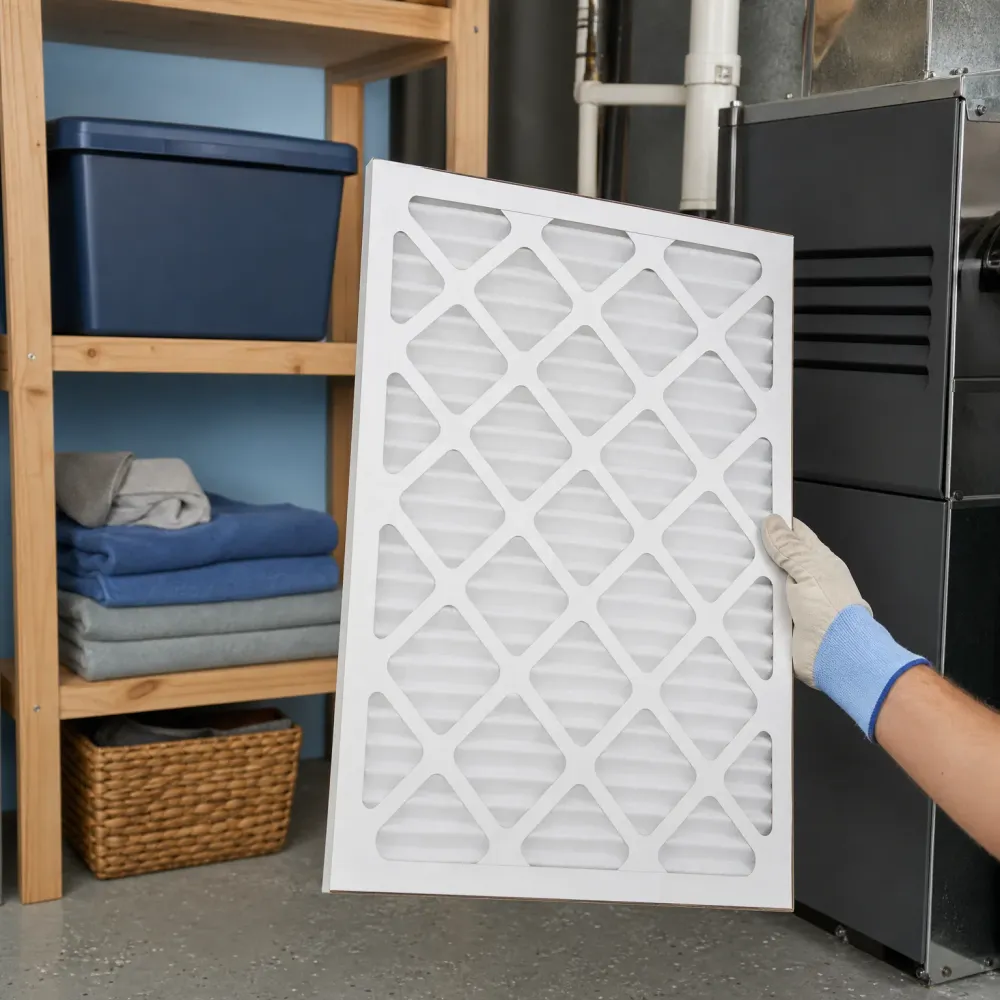
    A gloved hand holds a large white pleated air filter in front of a dark furnace, beside wooden shelves holding a storage bin, folded clothes, and a wicker basket.
  • Pairs with any central AC

    Most central air systems are built around a furnace. The two share the blower, the ducts and the thermostat.

    A linear metal floor vent set in a wood plank floor near an open blue door, with a sheer white curtain, a woven basket holding a plant, and a woven rug.

What your winter actually looks like

Heat runs about seven months a year here, October through April. Whichever machine you pick spends most of its life heating, not cooling. A furnace with nothing to do the other five months is still earning its keep most of the year here.

The overnight low averages 25°F across December, January and February. That number matters because a standard heat pump starts losing ground before it even gets that cold. Below 40°F its heat output falls short of its rating. Below about 35°F it often needs backup heat to cover the difference. An average winter night here is below both marks.

It is not just the average night. About 100 nights a year here drop to freezing or below, roughly half the nights the heat even runs. Every one of those nights is cold enough to push a standard heat pump below its rated output and into backup heat. That is half your heating season, not a few cold snaps.

The other side of that same fact is how rare real cold is. Only about 2 nights a year reach 0°F. A standard heat pump is not built for that kind of cold, but you would barely see it. Field testing on cold-climate heat pumps found backup heat carried only a small share of the load between 0°F and 35°F, and running on backup alone was rare even at 0°F. The worry here is not a handful of brutal nights. It is the ordinary freezing ones, and there are a lot of those here.
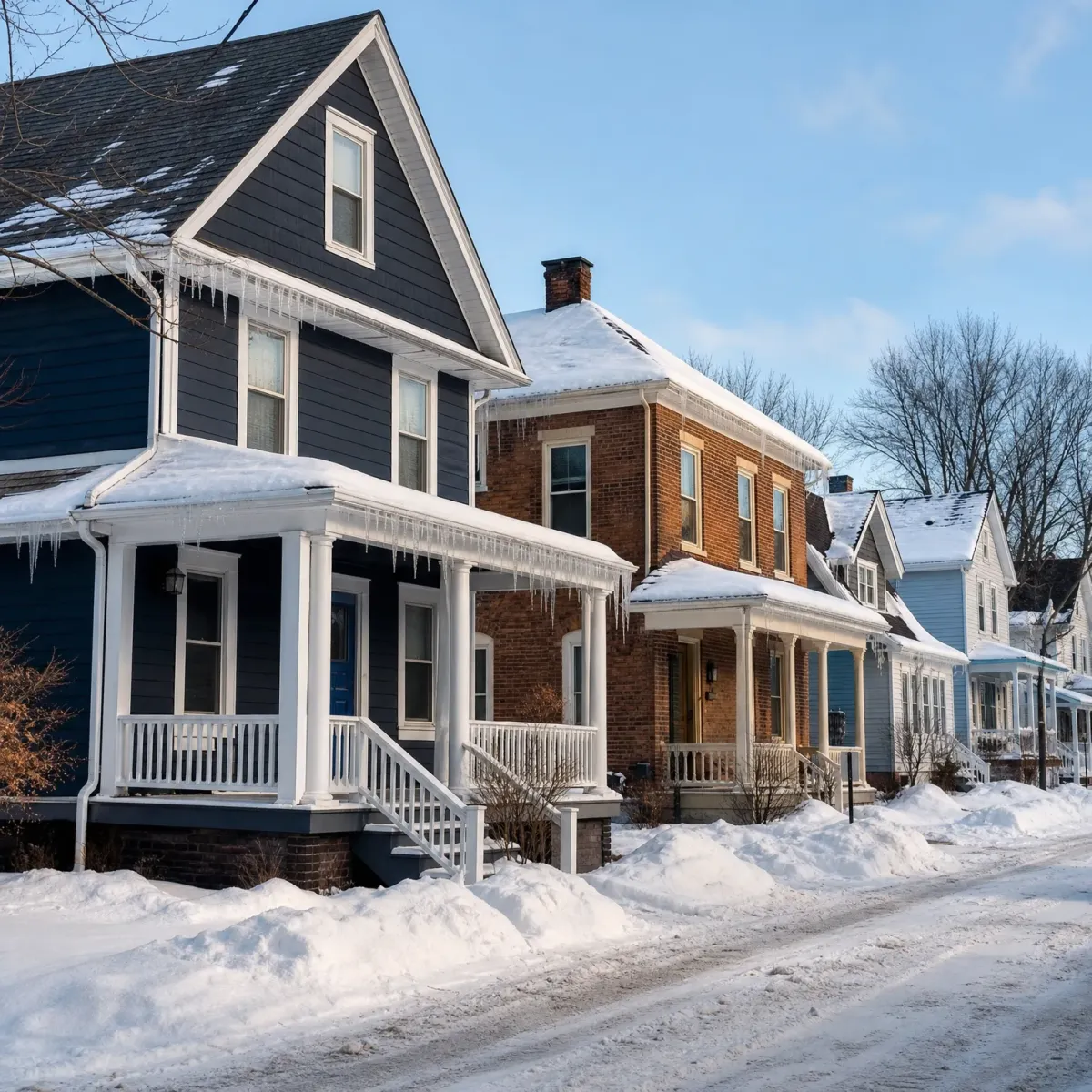
A row of two-story houses with covered porches along a snow-covered street, with icicles hanging from the eaves of the nearest dark blue house and a brick house beside it under a clear sky.

What that means for your choice

Run the numbers and a heat pump is cheaper here. $1.72 per 100,000 Btu against $2.06 for a furnace, about 16 percent less, using Missouri's own electricity and gas prices. That is with a heat pump built to the federal minimum, and it does not add anything for the backup heat it will lean on during those freezing nights. The real gap is probably smaller than $1.72 versus $2.06, but the heat pump still starts from the better number.

If you want that running cost to hold up on the coldest nights, the fix is the equipment, not the fuel. Look for one rated ENERGY STAR Cold Climate. To earn that label a heat pump has to keep making at least 1.75 units of heat per unit of electricity at 5°F, and hold onto at least 70 percent of its 47°F capacity at that same temperature, checked by outside testing. That is a machine built for a county where half the heating season sits at or below freezing.

A furnace does not have this problem at all. It burns gas, makes heat on demand, and the overnight low does not change how it runs. If the furnace you have is original to the house, or you are replacing like for like, that simplicity is worth something on its own. No backup heat question to size around, no cold-weather rating to check.

Cooling does not split these two the way winter does. Both run a normal central AC system, and the heat pump's summer side works the same as any air conditioner's. Afternoons hit 90°F or higher about 40 days a year here, under a quarter of the days in the year, a mild ask next to a winter where half the nights sit at or below freezing. The real decision gets made in December and January, not in the hot stretch.

So the case for a heat pump here is real, but it rests on choosing a cold-climate model and accepting it will lean on backup heat on a good number of nights. The case for a furnace is that it skips that question entirely and heats the same way whether it is 25°F or 0°F outside. Which one is right for your house depends on whether you would rather pay less to run it most winters, or not think about the cold at all.

Sources: NOAA nClimDiv · NOAA 1991–2020 seasonal normals · PNNL Building America guide · PNNL-37127 field study · ENERGY STAR product criteria · EIA SEDS 2024 · 10 CFR 430.32

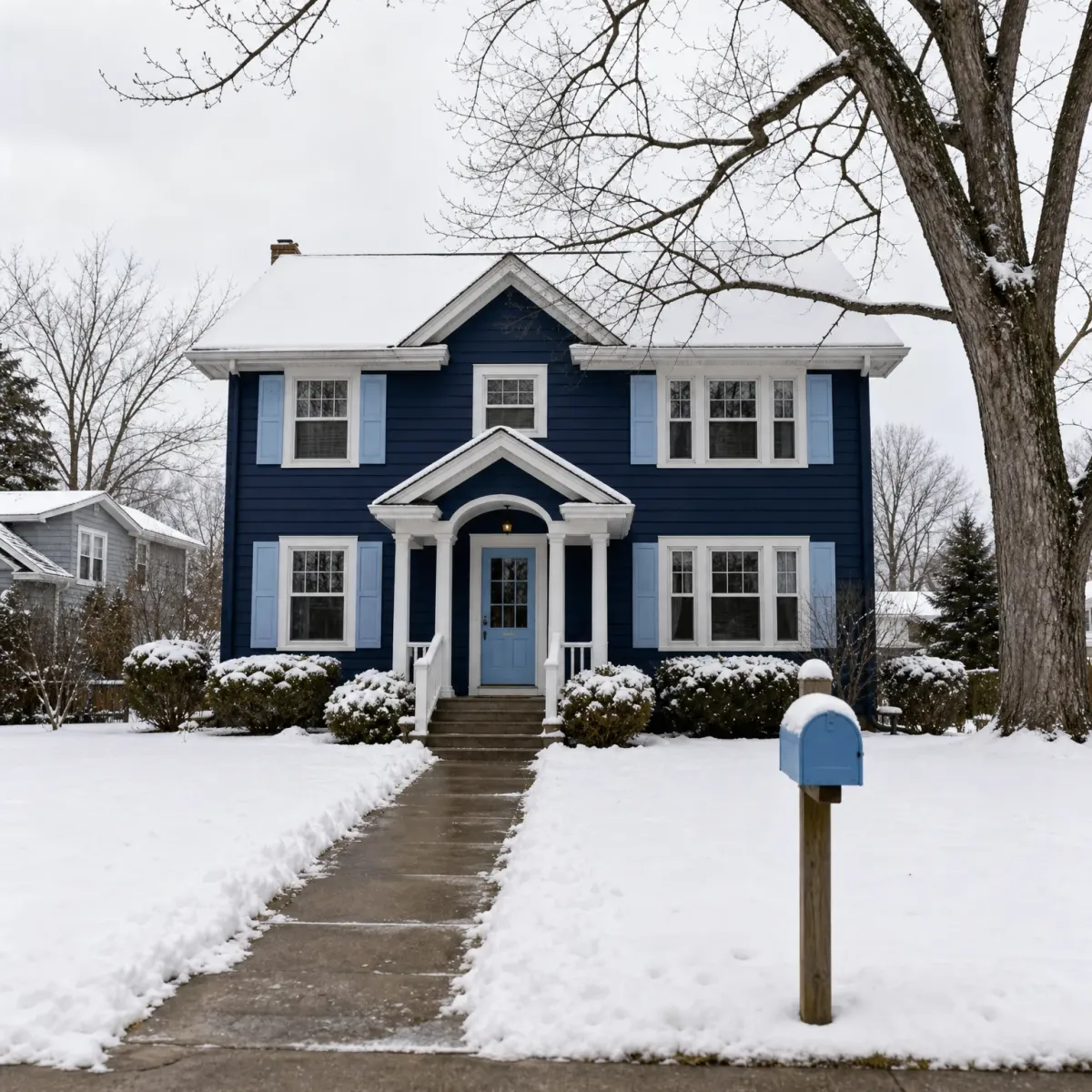
A two-story navy blue house with white trim, light blue shutters and a columned front porch, fronted by a snow-covered lawn, a cleared concrete walkway, a blue mailbox on a wooden post, and bare trees.

Common questions about heat pumps and furnaces

  • Do I need backup heat with a heat pump here?

    Most homes here want some form of backup heat for a standard heat pump. The average overnight low in December, January and February is 25°F, and a standard heat pump's output starts falling short of its rating below 40°F and often needs backup below about 35°F. That covers nearly every one of the roughly 100 nights a year here that drop to freezing or below. A heat pump rated for cold climates narrows the gap, holding onto at least 70 percent of its capacity down to 5°F, but check what your installer is proposing against these numbers.

  • Can I keep my furnace and add a heat pump?

    Yes, and in Jefferson County it's a common setup called a dual fuel system. The heat pump handles the heating on its own most nights, since the overnight low only reaches freezing about 100 nights a year, and the furnace kicks in on the coldest nights when the heat pump's output falls behind, or if the power goes out. You keep the furnace's gas line and ductwork, so the switch happens automatically without you doing anything.

  • What if my house doesn't have a gas line?

    A heat pump is worth a close look, since without a gas line your other options are electric resistance heat or a furnace burning propane or oil, both of which cost more to run than electricity does through a heat pump. A heat pump also covers your five months of cooling in the same system, where a propane or oil furnace only heats.

  • Is a heat pump cheaper to run than a furnace in Jefferson County?

    Yes. A heat pump here runs $1.72 per 100,000 Btu of heat against $2.06 for a gas furnace, so it costs about 16% less to make the same heat. That's comparing both machines at their federal minimum efficiency, at Missouri's average electricity and gas prices.