23°F average low
That's cold enough for frost to build on the outdoor coil most nights from December through February, which is when a stuck defrost cycle tends to show up.

A heat pump that runs but blows cool or lukewarm air usually means it's stuck in defrost, low on refrigerant, or the reversing valve isn't switching over to heat mode. Kansas City winters bring enough cold, damp stretches that ice builds up on the outdoor unit, and the system has to pause and run its defrost cycle to clear it. That's normal for a few minutes at a time. If it never comes back to heating, or the outdoor unit stays coated in ice, something isn't right, whether that's a failed defrost control, a low charge, or a reversing valve stuck in the wrong position. Some heat pumps here also have electric backup heat strips that kick in when it's especially cold outside. If those have failed, you'll feel only cool air moving even though the system sounds like it's working. Either way, the house won't hold its temperature until a contractor finds which of these it is.
Winter nights average 23°F
Nights average 23°F here, cold enough to keep frost building on the outdoor coil faster than the unit can clear it.
Heat runs October through April
That heat pump carries the load about seven months a year, October through April, so a stuck reversing valve shows up fast.
Cooling runs May through September
Cooling only runs May through September, which means the system sits idle half the year before winter puts it back to work.
NOAA nClimDiv 1991-2020
Running the outdoor unit through a few cold mornings without checking on it is how a small frost problem turns into a frozen coil that can't pull any heat at all.
Shutting it down and switching to the backup heat strip or furnace keeps the house warm while you get a contractor to find out if it's a stuck reversing valve, a low charge, or a defrost control that's failing.




That's cold enough for frost to build on the outdoor coil most nights from December through February, which is when a stuck defrost cycle tends to show up.
Homes without a working backup heat strip have nothing to fall back on if the heat pump stalls out, so the house keeps cooling until the system gets looked at.
You check the vents and air is moving, but it's not warm, or it cycles between warm and cool like it can't make up its mind. Maybe the outdoor unit looks like a block of ice. Maybe you hear it running almost constantly and the thermostat still won't climb past 65. Some households notice the backup heat strip kicking on and the electric bill climbing with it. Left alone through a cold snap, a stuck unit means rooms stay cold, pipes near outside walls sit at risk if the temperature keeps dropping, and the system can end up working harder for less heat until something gets looked at.

A thin layer of frost during defrost is normal. A thick shell of ice covering the coil and fan is not. When ice builds faster than the defrost cycle can clear it, the unit can't pull heat from the air at all, and the house runs on whatever backup heat you have, or nothing. Shutting the system off and letting it thaw on its own takes hours you may not have in a Jackson County cold snap.

This one's easier to miss at first because air is still moving. Put your hand up to a vent. If it feels cool instead of warm, or swings between the two, the heat pump may be stuck in cooling mode because the reversing valve isn't switching, or it's low on refrigerant and can't move enough heat indoors. The system can run like this for days before anyone notices the gas furnace or heat strips are quietly carrying the whole load.
You stand by the vent and feel it change on you. Warm for a few minutes, then a cool stretch, then warm again, like the system can't settle on one temperature. It's not your imagination, and it's not the thermostat lying to you. Something in the heating cycle is interrupting itself, and on a cold Jackson County night that back and forth is enough to make the house feel chilly even with the system running the whole time.
That warm-cool-warm pattern is usually the defrost cycle doing its job, just more often than it should. Every heat pump pauses heating for a few minutes every so often to melt frost off the outdoor coil, and during that pause it blows cool air instead of warm. If nights are cold enough and the coil frosts up fast, as they do in Jackson County from December through February, that pause happens more often and feels longer. The other cause is a reversing valve that's slow to fully switch between cooling and heating position, which leaves the system stuck halfway and sending mixed air. One clears itself with a repair, the other with a part swap, but neither sorts itself out by waiting.

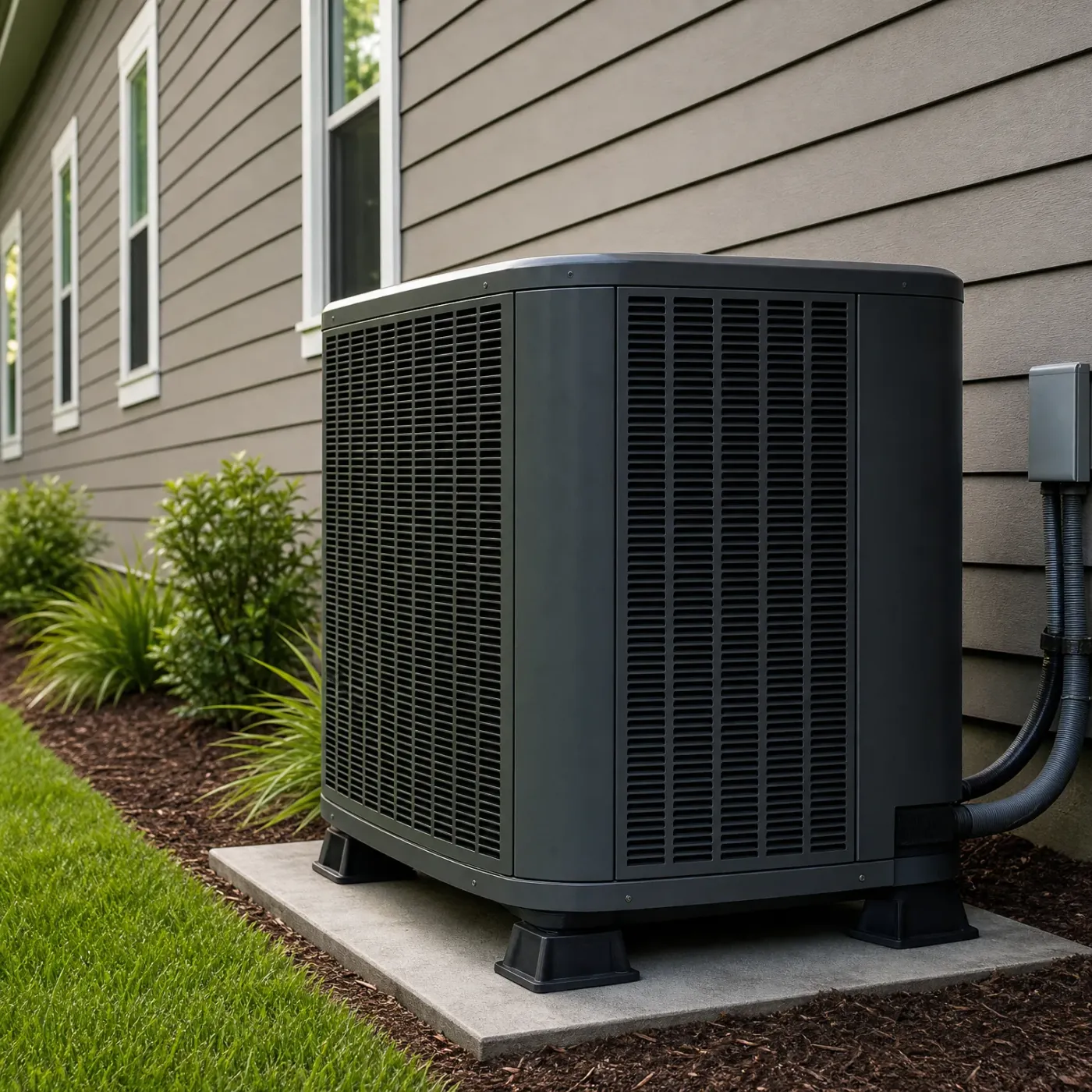
No frost on the coil, no ice on the fan guard, and warm air steady at the vents. The refrigerant lines run straight from the unit to the disconnect box, and the fan turns freely. This is what a heat pump handling a Jackson County winter morning looks like when the defrost cycle is keeping up.

Frost climbing the coil, maybe ice thick enough to see from the window. The unit might still be running, fan turning under a shell of ice, but it can't pull heat out of air that cold through a coil that's blocked. Inside, the air turns cool or stops warming altogether.


Skip calling shops to ask who repairs heat pumps in Jackson County.
One request and the search for a pro is handled.
No charge to send it. You decide if you hire them.
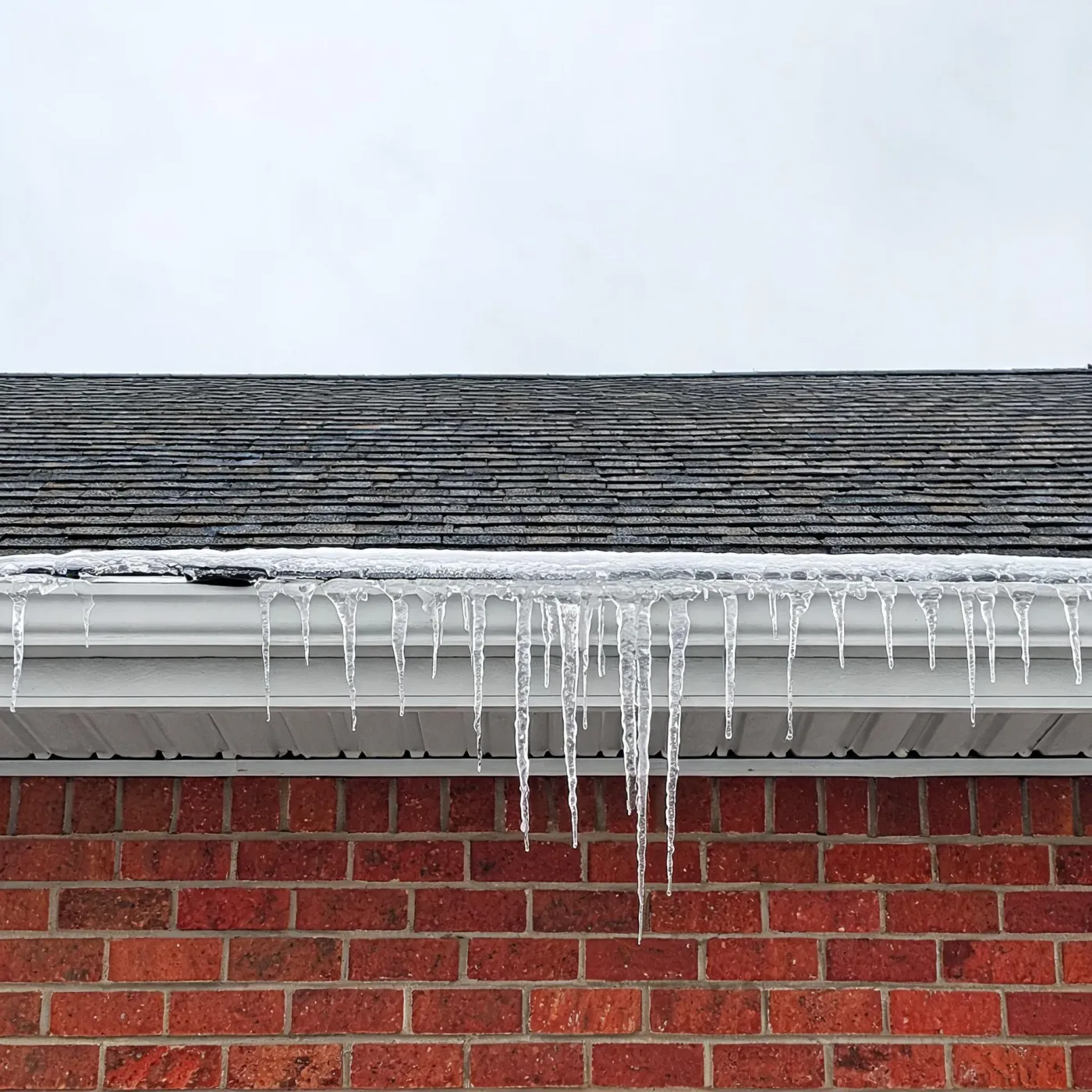
At 23°F, which is about what Jackson County nights average through December, January and February, the outdoor coil sits right in the range where frost forms fastest. A heat pump handles that by switching into defrost every so often, pausing the heat to melt itself clear. On a normal night you might not even notice it happen. But string together enough nights at that temperature and the unit is going into defrost more often, for longer, and the house has that much more time to cool down between warm cycles. That's when you start catching the air turn cold at the vent, or hear the outdoor fan stop and start on a schedule that doesn't match anything you're doing inside. Figure from NOAA climate data for the county.
NOAA nClimDiv 1991-2020


At 13.55 cents per kilowatt-hour, running the backup heat strip through a frosted-over spell costs more than the heat pump itself ever does. It's worth keeping that backup on hand for the worst mornings, but a heat pump that's actually heating is the cheaper way to get through a Jackson County winter.
EIA-861 2025


Thermostat calls for heat and the reversing valve shifts to heating position
Outdoor coil pulls heat from the air even in cold weather
Frost collects on the outdoor coil as the air passes over it
Defrost control board senses the frost and reverses the valve briefly

Cool air at the vents, a frozen outdoor unit, or heat that cycles on and off all point back to the same handful of places: the reversing valve, the defrost control, the refrigerant charge. Jackson County nights average 23°F through the worst of winter, cold enough to keep that outdoor coil fighting frost from December into February. A technician with the right meters can tell you which of those it is in one visit.
Instead of searching around for someone who works on heat pumps specifically, calling a few numbers, and explaining the same symptoms over and over to get quotes you then have to compare, send the details once. The search, the calls, and the back and forth are the part that goes away. What's wrong with the system still has to get fixed, but finding someone qualified to fix it stops being something you have to do yourself.


There's no charge for the request.
A cold house in January isn't something to sit with while you call around for someone free to look at it. Send the request once and skip the part where you're on the phone explaining the same problem to three different shops. One call to make, not five.