



Can a heat pump keep up on the cold nights here
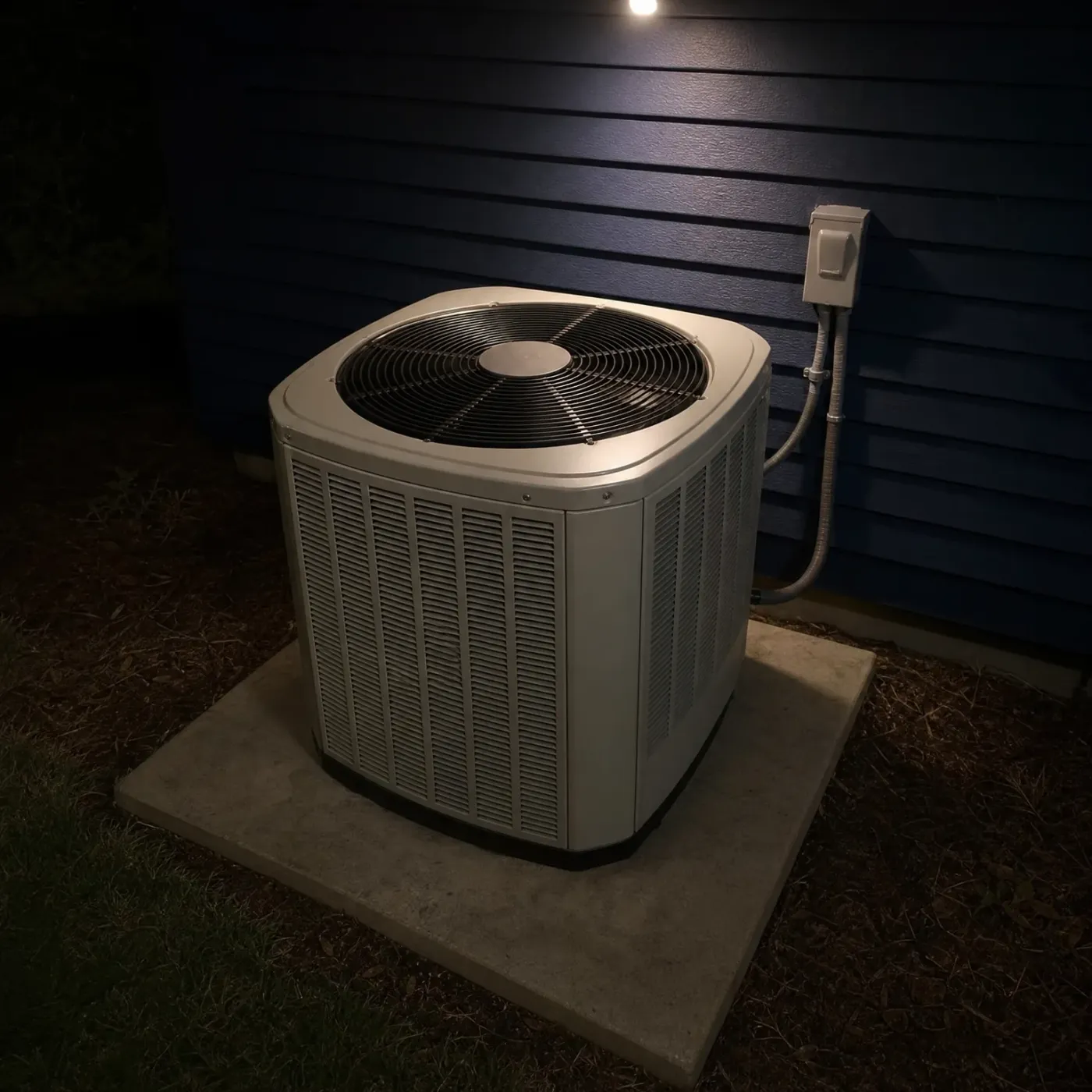
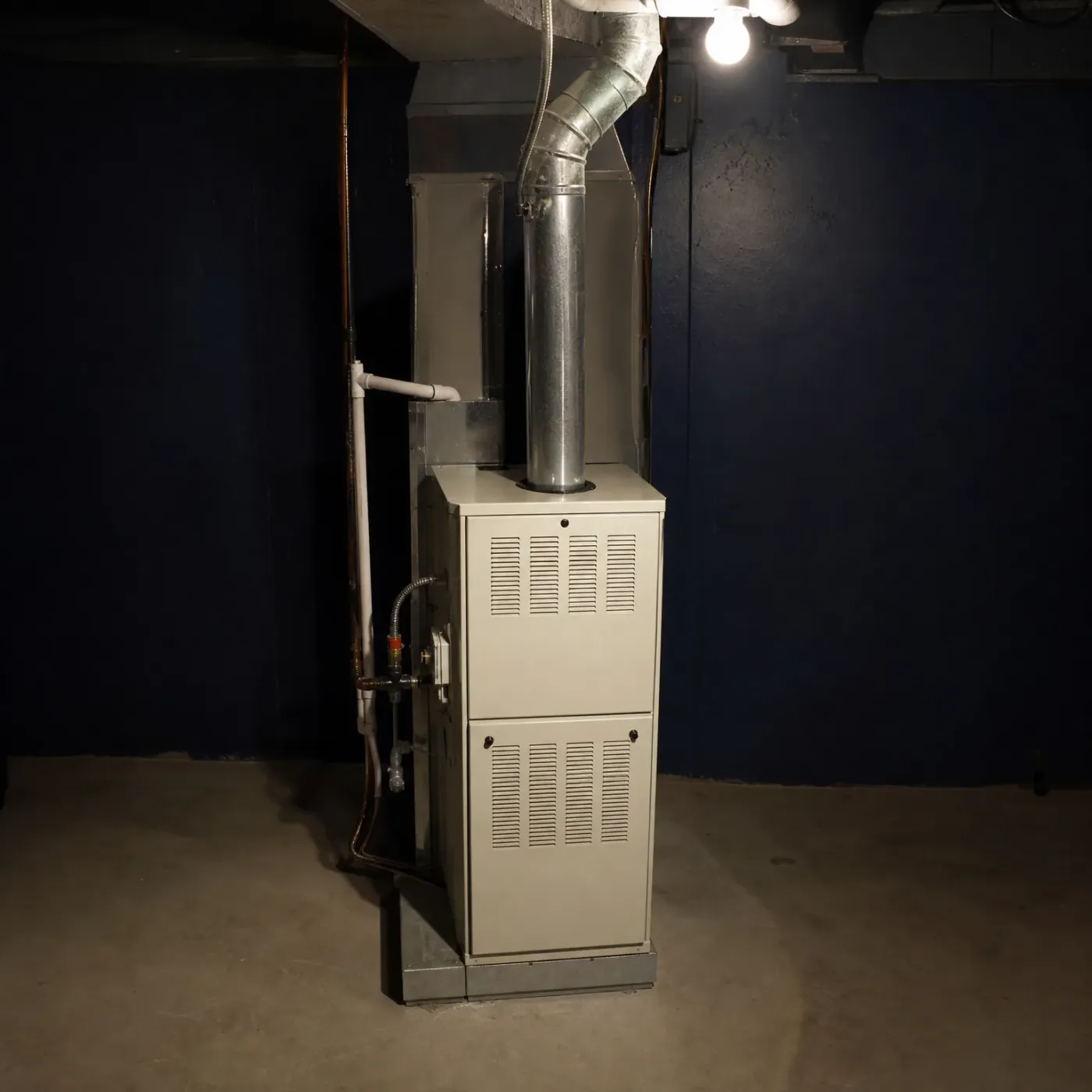
Your furnace runs seven months a year here, October through April, so the real question is what happens on the cold end of that stretch. The average overnight low in December, January and February is 26 degrees. About 100 nights a year here drop to freezing or below. A standard heat pump's output starts falling short of its rating below 40°F, and below about 35°F it often leans on backup heat to make up the difference. Your winter average sits below both marks. On most of the roughly 100 nights at or below freezing, a standard heat pump is working harder than its rating suggests, and on the coldest of them it is leaning on backup heat to keep the house warm.
That is not true of every heat pump. One built to the ENERGY STAR Cold Climate spec has to prove, under third-party testing, that it still makes at least 1.75 units of heat per unit of electricity at 5°F, and keeps at least 70 percent of its 47°F capacity at that same temperature. That is a different machine than the federal-minimum unit the running-cost band is based on. Field testing on prototype cold-climate heat pumps backs this up in practice: across two winters in occupied homes, backup heat covered only a small share of the heat needed between 0°F and 35°F, and the homes rarely ran on backup heat alone even above 0°F. Only about one night a year here reaches 0°F at all. A cold-climate model is the one to ask about if you want a heat pump to carry your house through a Howell County winter on its own.