
Heat pump vs furnace in Pulaski County, Missouri

Get a Local Quote

Pros who install both

A person's hand in a blue shirt adjusts a round black and silver wall thermostat on a white wall, with an open tool bag on the floor and a living room with a gray sectional sofa in the background.

Tell us about the job

Takes about a minute. No obligation.

New system or replacementPulaski County, MO
Step 1 of 3

What kind of equipment?

Which costs less to run in Pulaski County?

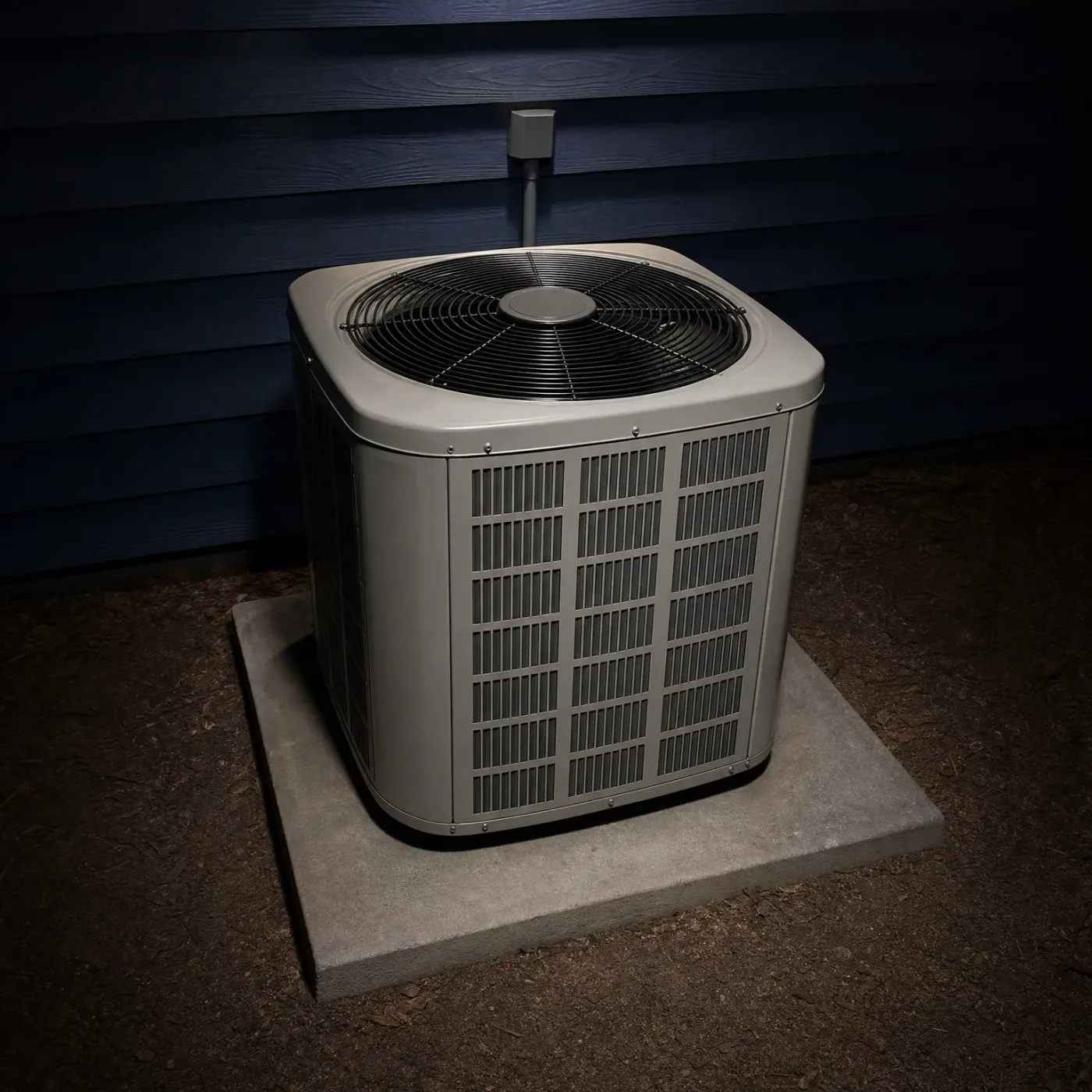
A gray outdoor condenser unit with a top-mounted fan grille sits on a concrete pad beside a dark blue horizontal lap-sided wall, with a refrigerant line and small disconnect box on the wall above.

Heat pump

To heat your home here$1.72per 100,000 Btu

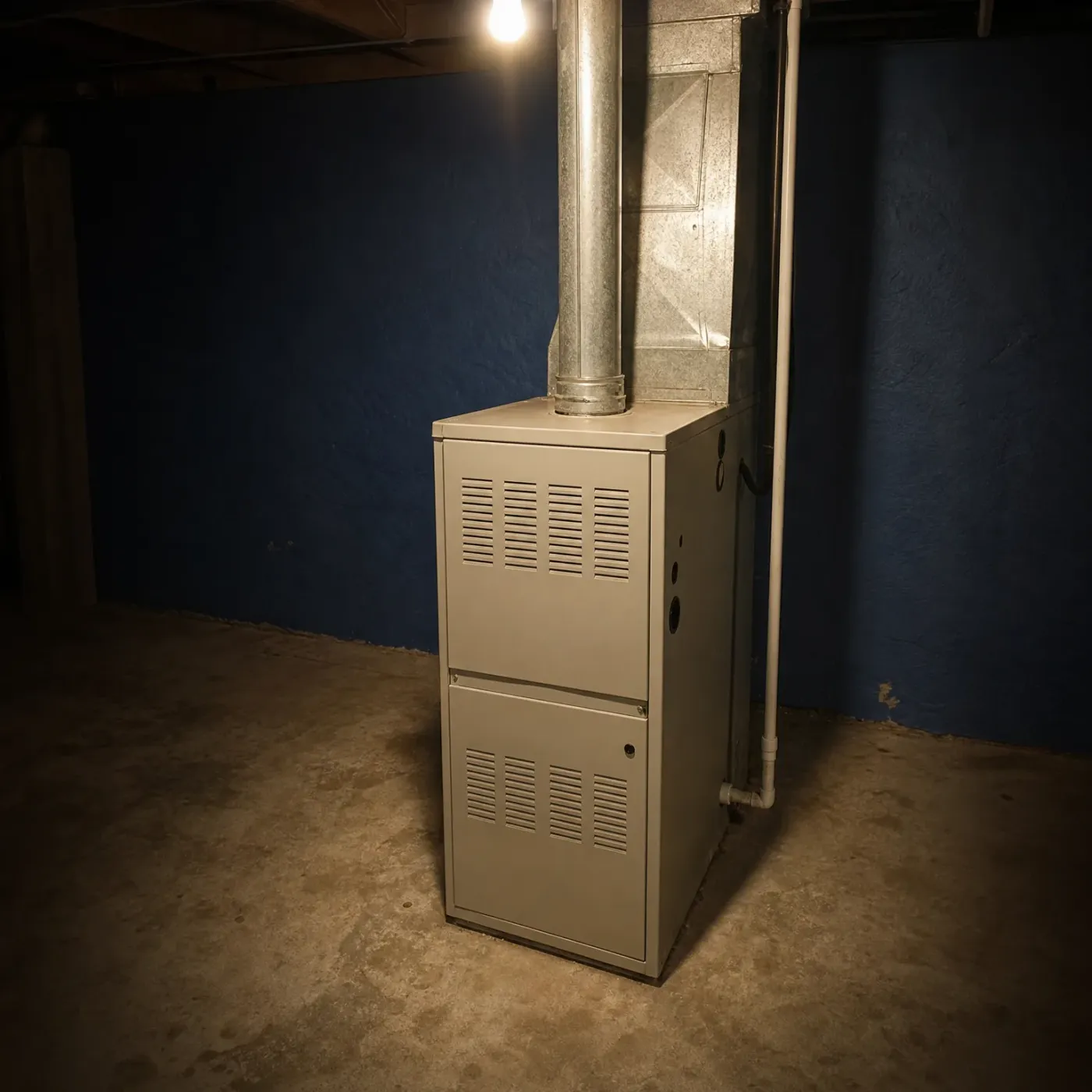
A beige furnace with louvered panels stands on a concrete basement floor against a blue painted wall, with a galvanized metal flue pipe and ductwork above and a white pipe running down the wall.

Furnace

To heat your home here$2.06per 100,000 Btu

At Missouri's gas and electricity prices, a heat pump makes the same heat as a gas furnace for about 16% less.

Btu stands for British thermal unit, the standard measure of heat energy.

Where does a heat pump shine?

  • Covers a long cooling season

    May through September is five months of leaning on your AC. A heat pump handles that cooling load the same as an air conditioner would, so you're not giving anything up there, and it covers your winter heating too.

    A covered porch with a wood-plank ceiling and ceiling fan, navy-cushioned outdoor sofas and chairs, a black round table holding a glass of iced tea and a potted basil plant, a grill and dining set in the background, and green trees beyond.
  • No gas line, nothing burning in the house

    It moves heat instead of making it from fire. That means no combustion, no flue and no gas bill for heat.

    A kitchen with navy cabinets, white subway tile backsplash, wooden open shelves holding bowls and plants, a light speckled island with an induction cooktop, a blue kettle and mug, two wooden stools, and a window over the sink.
  • Steady, even comfort

    It eases up and down with the weather. There are fewer swings between too warm and too cool.

    A navy armchair with a gray throw blanket and open book sits by a multi-pane window at night, beside a wooden side table with a lit lamp, mug and potted plant, while a golden-colored dog sleeps on a patterned rug near a stone fireplace.

Where does a furnace shine?

  • Proven, simple, easy to get serviced

    The design is simple and well understood. That keeps service calls short.

    A gloved hand holds a pleated white air filter in front of a furnace, beside wooden shelves holding a storage bin, mug, folded towels and a basket.
  • Fast, strong heat on demand

    Turn the heat up and the furnace answers right away. There's no long wait for the house to catch up.

    A mudroom entry with a dark blue door showing snowy shrubs through its window, snow-covered boots on a stone floor, a sheer curtain, a floor vent with visible vapor, and a steaming mug on a wooden bench beside a knit blanket and hanging coats.
  • Pairs with any central AC

    Most central air systems are built around a furnace. The two share the blower, the ducts and the thermostat.

    A dark metal floor vent set in hardwood flooring near a window with a billowing sheer white curtain, beside a blue wall, wooden cabinet with a potted plant, woven basket, and a patterned rug.

Can a heat pump keep up with winter here

The overnight low here averages 26°F across December, January and February, and falls to freezing or below on about 110 nights a year. A standard heat pump starts losing ground before that. Below 40°F it puts out less heat than its rating says, and below about 35°F it often needs backup heat to make up the difference. Every one of those 110 nights sits below both marks. That does not mean a heat pump can't heat your house here. It means it needs backup heat on hand for roughly half the nights of the heating season, not as a rare exception but as a regular part of how the system runs.

The nights that actually threaten a heat pump's limits are rarer than the freezing count suggests. Of those 110 nights at or below 32°F, only about 3 a year reach 0°F. A cold climate heat pump, the kind rated to hold most of its capacity down to 5°F, is built for exactly that stretch between freezing and single digits where a standard model falls off. In a two winter field test of prototype cold climate heat pumps in occupied homes, backup heat covered only a small share of the total heat used between 0°F and 35°F, and the system ran on backup alone only rarely even above 0°F. For this county's winter, that is the relevant comparison, not whether the thermometer ever hits zero, but how the system handles the long stretch in between.

A furnace does not have this problem. It burns gas or propane and makes its full rated heat regardless of how cold it gets outside. That is the tradeoff: a furnace's output does not change with the weather, while a heat pump's does, and here the weather spends about half the heating season below the point where a standard heat pump needs help.
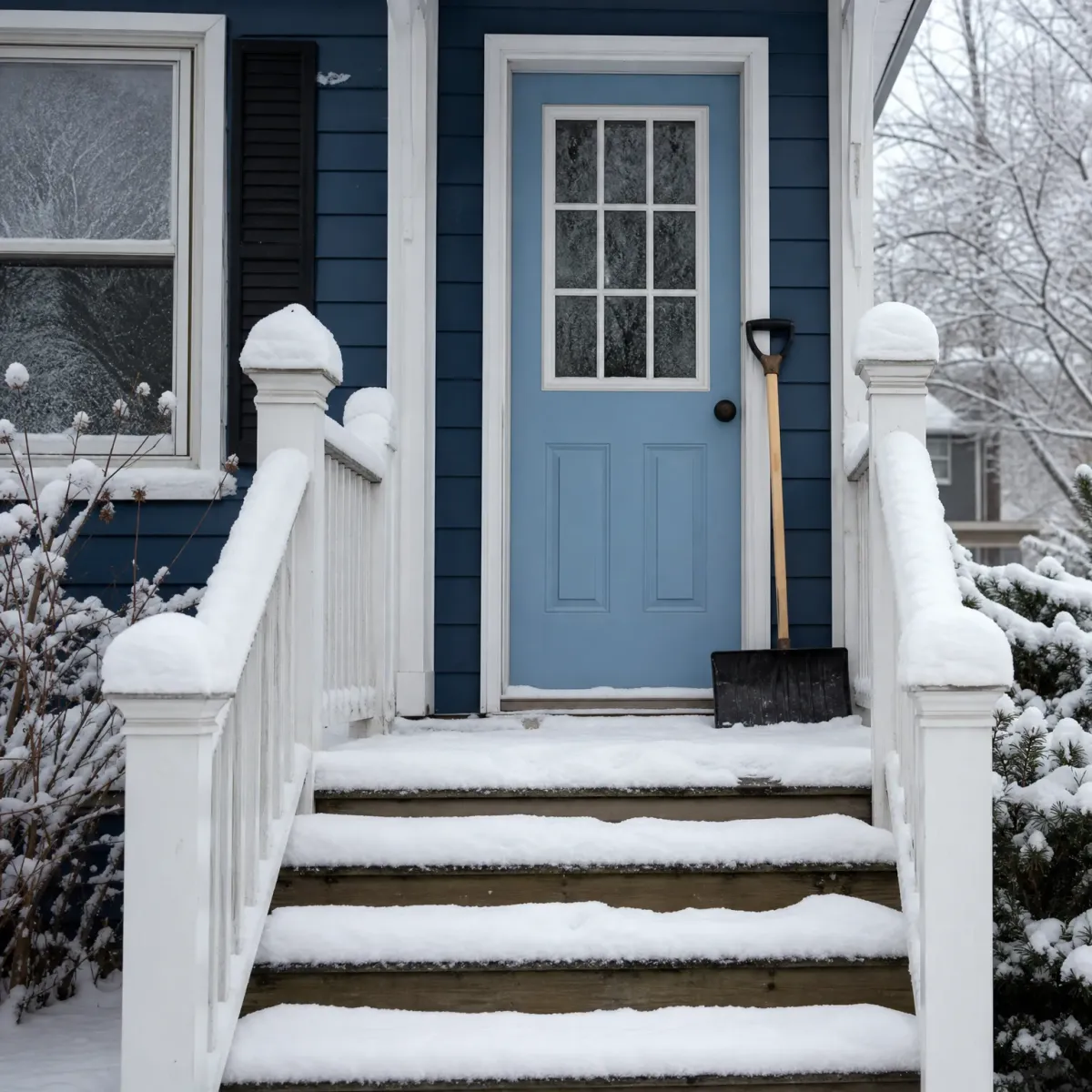
Snow-covered wooden steps with white railings lead to a light blue front door on a dark blue clapboard house, with a snow shovel leaning beside the door.

What it costs to run, and what's already at your house

Run the numbers on fuel alone and the heat pump wins. It makes the same heat as a gas furnace for about 16 percent less, $1.72 against $2.06 per 100,000 Btu, using Missouri's average electricity and gas prices. That figure is for a heat pump at the federal minimum efficiency, with nothing added for the backup heat it will draw on through those 110 freezing nights, so the real gap on a cold month will run narrower than $1.72 suggests. A furnace burning propane instead of utility gas costs more to begin with, since propane runs $21.30 per million Btu against natural gas at $16.49, so the fuel behind your furnace changes this math.

A furnace only heats. For the five months a year cooling runs here, May through September, including about 35 days that reach 90°F or hotter, a furnace sits idle and your air conditioner does the work alone. A heat pump does both jobs with one piece of equipment, which counts for more in a county with five months of real cooling than it would somewhere the summers are short.

What is already run to your house matters as much as either of those numbers. Electricity heats about three in four homes in this county, well above the roughly four in ten statewide. Gas heats about one in ten here, far under the state's near half. If your house already runs on electric heat, a heat pump fits what is already there. If a gas line already reaches your furnace, that is worth weighing against the cost of bringing in a heat pump built for this cold, since half the homes here were built before 1994 and what is already in the walls, the gas line, the electrical service, is something only a contractor can check on your house.

Sources: NOAA nClimDiv · NOAA 1991–2020 seasonal normals · Census ACS 2020–2024 · EIA SEDS 2024 · 10 CFR 430.32 · PNNL Building America guide · PNNL-37127 field study · ENERGY STAR product criteria

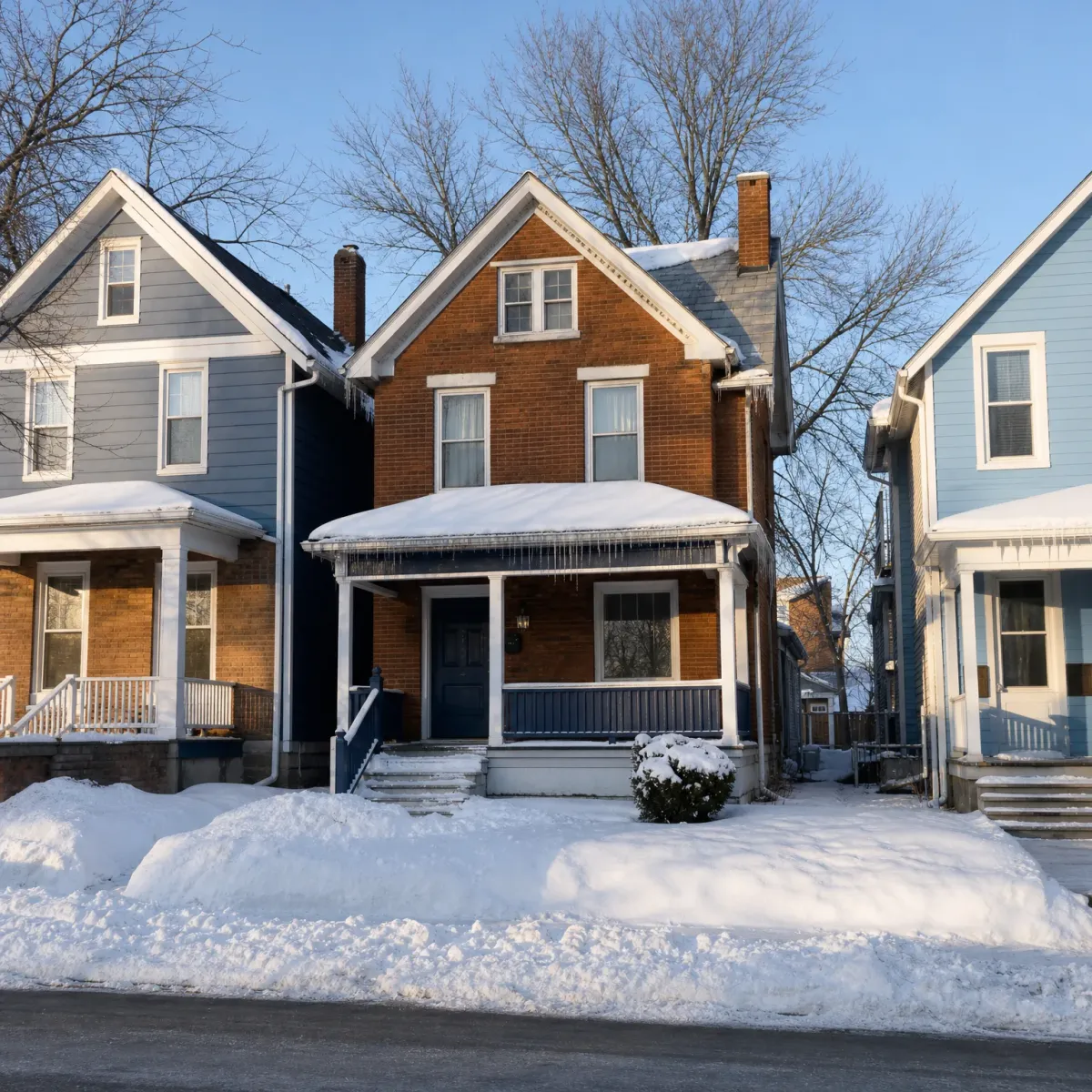
A two-story brick house with a covered front porch stands between two sided houses, with snow on the roofs, icicles along the porch eave, and deep snow covering the front yard and sidewalk under a clear blue sky.

Common questions about heat pumps and furnaces

  • Can a heat pump heat a house through a Missouri winter?

    Yes, but it needs help on the coldest nights. A standard heat pump's output falls below its rating once it's under 40°F outside, and it often needs backup heat below about 35°F. The average overnight low here is 26°F, and about 110 nights a year drop to freezing or below, so a heat pump here is leaning on backup heat for a good part of the winter. A model with the ENERGY STAR Cold Climate mark is built to keep most of its capacity down to 5°F, which matters for a county where winter lows run this cold this often.

  • Do I need backup heat with a heat pump here?

    Most likely, yes. A standard heat pump's efficiency drops below about 35°F, and the overnight low here averages 26°F across December, January and February, with around 110 nights a year at or below freezing. That's about half the nights in the seven months the heat runs here. A cold climate model needs backup less often, but check what's already at your house before ruling it out.

  • What if my house doesn't have a gas line?

    You're not stuck with electric resistance heat. A heat pump handles both heating and cooling without a gas line at all. Here it costs $1.72 per 100,000 Btu to run, against $2.06 for a gas furnace, and it covers your summers too. A furnace running on propane is the other option, but propane costs $21.30 per million Btu against $37.84 for electricity, so the heat pump has the edge either way.

  • Is a heat pump cheaper to run than a furnace in Pulaski County?

    Yes. A heat pump runs $1.72 per 100,000 Btu of heat here against $2.06 for a gas furnace, about 16% less at Missouri's prices. That heat pump figure is its minimum efficiency rating with nothing added for backup heat, so some winter nights will cost more than it suggests.