




What winter here does to a heat pump
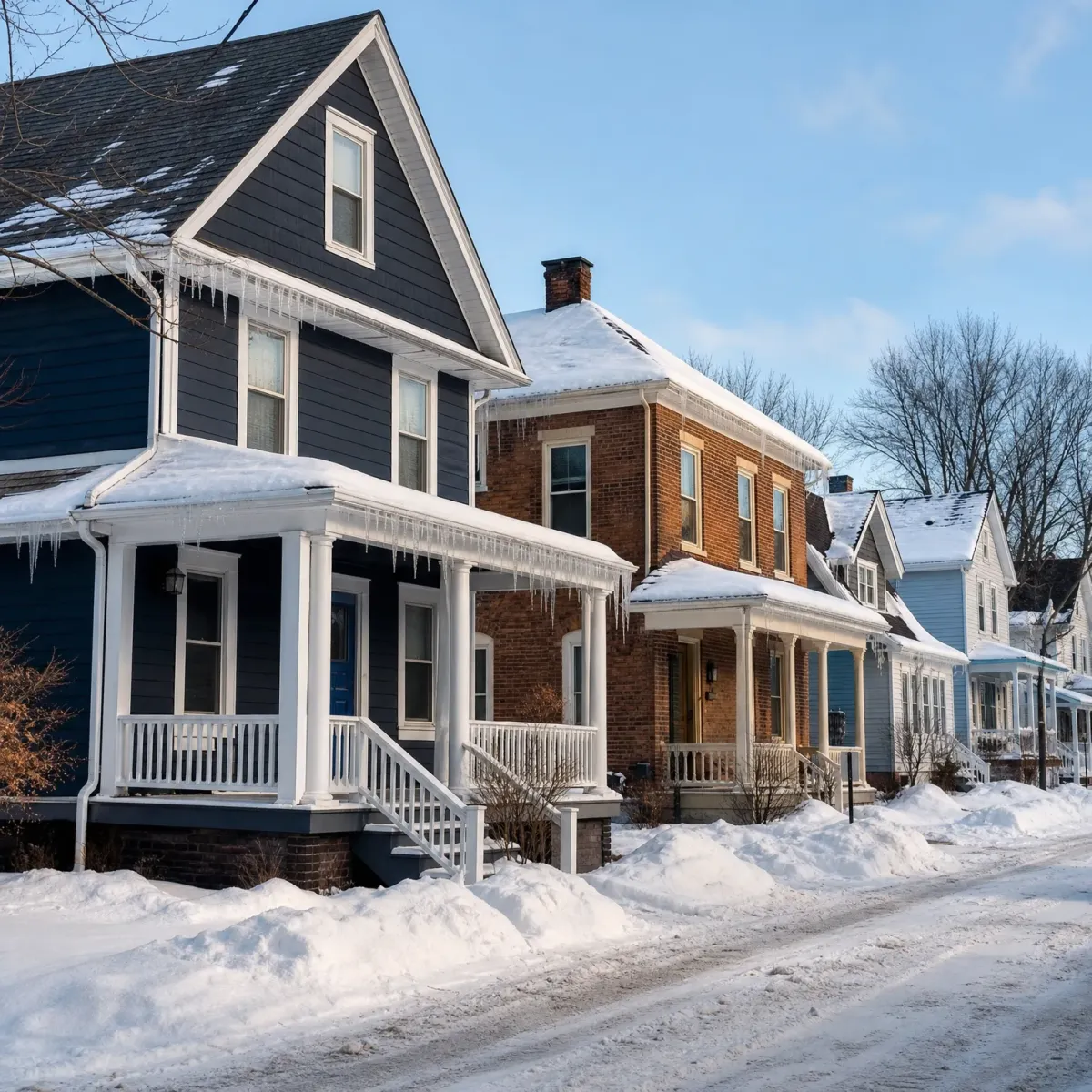
Your winter low here averages 24°F, and that number is what decides this. A standard heat pump starts losing heating capacity below 40°F and often needs backup heat below about 35°F. Your average night is colder than both marks. Over half the nights between October and April, about 125 of them, drop to freezing or below, so this is most of the heating season, not a few bad weeks.
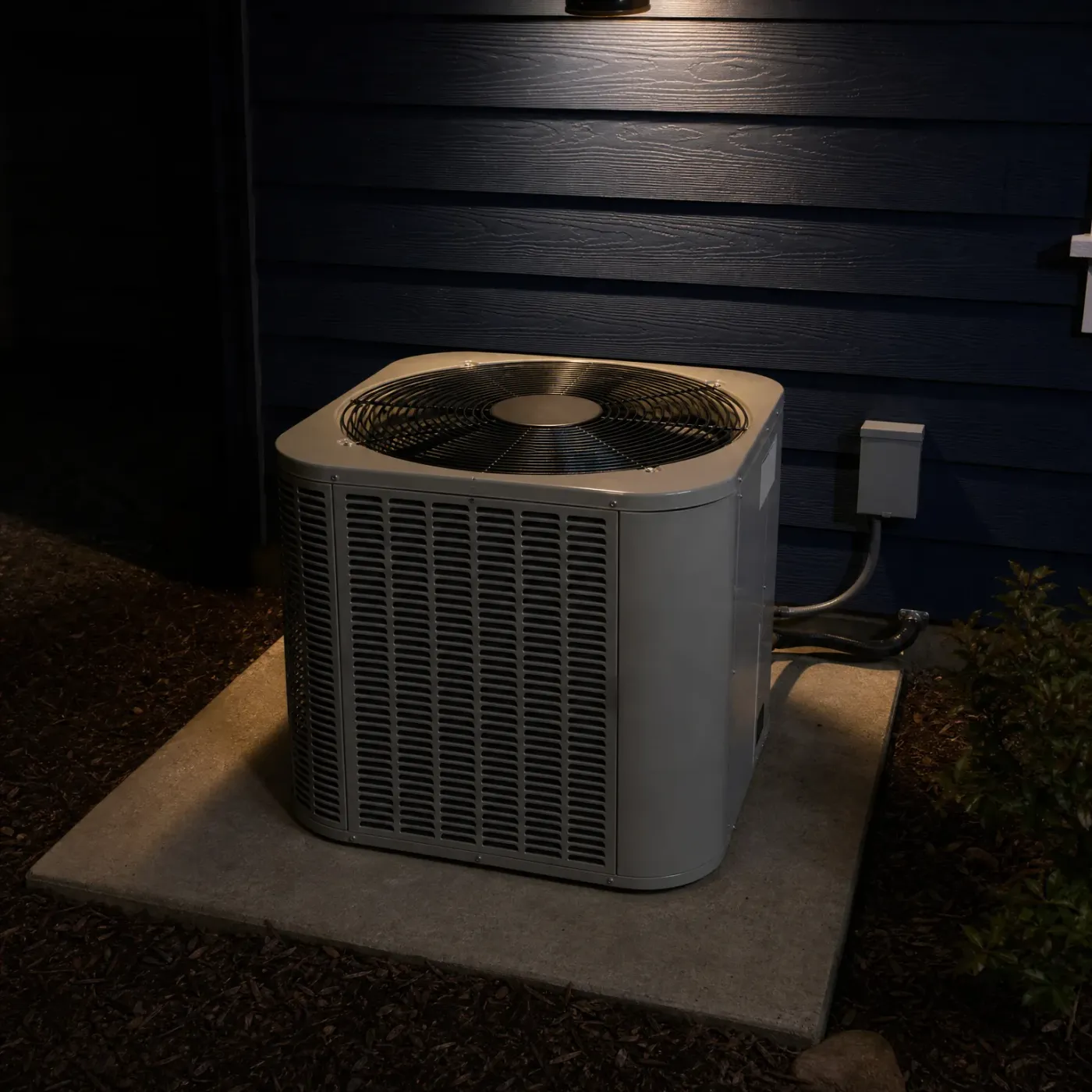
That does not rule out a heat pump. It means the unit has to be rated for this, not just any heat pump. One built to the federal minimum is tested and priced for a milder winter than this one. Look for the ENERGY STAR Cold Climate listing instead. To earn it, a heat pump has to deliver at least 1.75 units of heat per unit of electricity at 5°F and hold onto 70 percent of its warm-weather capacity at that temperature, checked by outside testing. That is the spec that tells you whether it carries your house in January, not just October.
The other number worth knowing is 4. That is how many nights a year here reach 0°F, where even a good cold-climate heat pump leans hardest on backup. A two-winter study of these units running in occupied homes found backup heat supplied only a small share of the output between 0°F and 35°F, and running on backup alone was rare above 0°F. The nights that push a heat pump hardest are also the fewest of them.