15 to 20 years
That's the usual run for a gas furnace with regular care. Past that range, parts wear faster and a breakdown in January becomes a lot more likely.
A local installer who puts in furnaces gets your project.
Find a furnace proYour furnace has been running fine, or maybe it's starting to act up, and you're trying to figure out if it's getting old or if something's actually wrong. It helps to know what a normal lifespan looks like before you decide whether to repair it again or start thinking about a new one. Missouri winters put a real demand on a furnace, so it's worth knowing what to expect.
Most homes in Missouri heat with gas, and a well maintained gas furnace usually runs 15 to 20 years before it needs to be replaced. How long yours lasts depends on how consistently it gets serviced and how hard it runs each winter. Missouri winters are cold enough that a furnace works hard for months at a stretch, and that steady demand wears on the heat exchanger, the igniter and the blower motor over time. A furnace that's 15 years or older and needs a repair is worth weighing against replacement, since the parts most likely to fail get more expensive to source as the unit ages. One that's under 10 years old with a single failed part is usually still worth fixing.




That's the usual run for a gas furnace with regular care. Past that range, parts wear faster and a breakdown in January becomes a lot more likely.
Most Missouri homes heat with gas, and electricity here doesn't cost much either. An older furnace loses that advantage as it burns more gas just to keep up.
You might notice the burners cycling on and off more than they used to, or a room that never quite gets warm no matter where you set the thermostat. Some furnaces start making a rattle or a bang on startup. Others put out a burnt or metallic smell when they kick on, or you catch a hint of gas that wasn't there before. The pilot or igniter might take two or three tries to catch. None of this means you need a new furnace tonight, but ignoring it long enough usually ends with no heat at all on a cold night, and a furnace that's struggling tends to run longer to do the same job, which shows up on your gas bill.
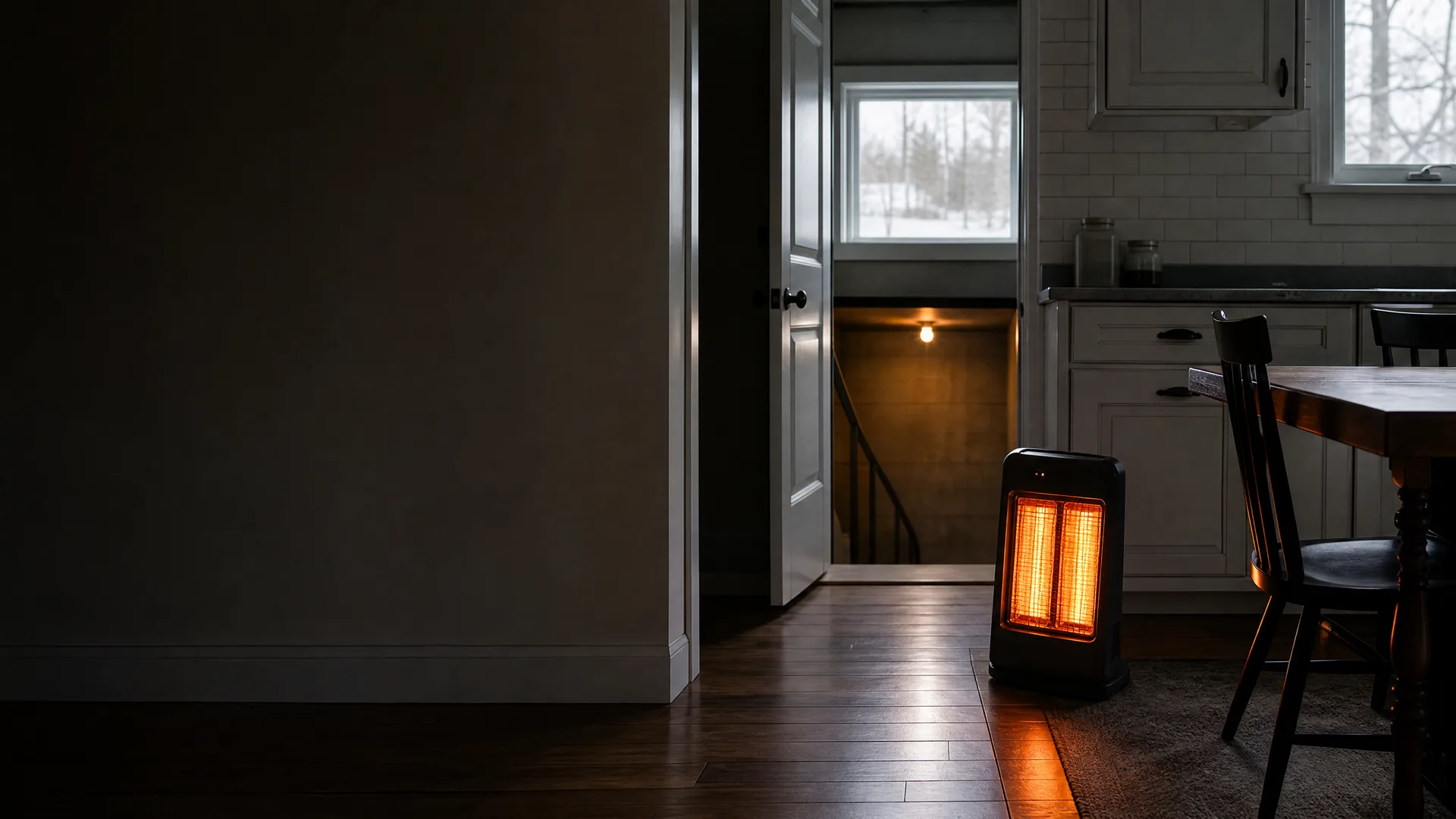
You're up before the rest of the house, coffee going, and the kitchen still has a chill in it that the furnace should have handled by now. The space heater's pulled up close to the table, orange coil doing the work the vents aren't. You left the basement door open on your way up, meaning to check the furnace again, and you can hear it trying, a long pause, then a thump before it catches. Outside the window the sky's doing that flat late-winter gray Missouri gets in February. You're not cold exactly. You're just aware of the extra cord running across the floor, and how you've started leaving that door open out of habit now.

A furnace near the end of that 15 to 20 year range can be swapped out on your schedule instead of its own. You pick the week, the contractor orders the unit that fits your house, and the old one comes out while it's still limping along rather than after it's quit. Scheduling it also means you're not choosing a furnace in a hurry during the coldest week of the year, which usually means a better match for your house and your vents.

Some homeowners ride a furnace until it won't start, and that has its own logic if the budget calls for it. The risk is timing. A furnace that dies in January means space heaters and a cold house until someone can get out to you, and whatever unit is in stock that week rather than the one that fits best. A local contractor who services furnaces all winter can at least tell you how much runway you've got left before that happens.
A 25°F night means your furnace is running long stretches to hold the house at 70, not just kicking on now and then. That kind of steady load is what wears out an aging unit fastest, especially one already past 15 years.
NOAA nClimDiv 1991-2020 county normals weighted by homes

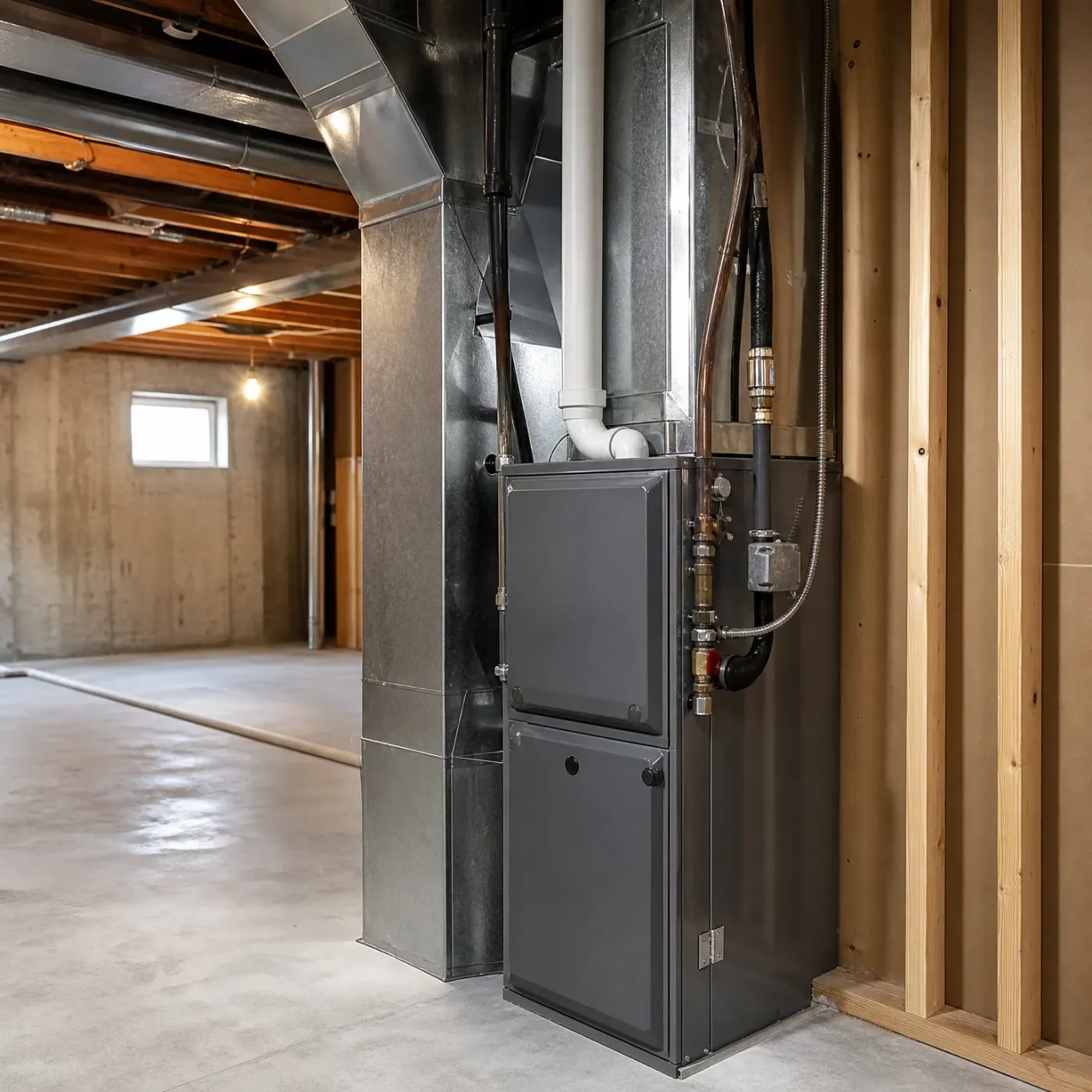
This is what a furnace looks like mid-life: clean metal, solid duct connections, no rust on the cabinet. It fires, runs its cycle, and shuts off without drama. A furnace like this has years left if the burners get checked and the filter gets changed.

Surface rust on the cabinet and plenum like this usually means the unit has seen a lot of winters. It might still run, but the parts inside are working harder than they used to, and a furnace in this shape is the one that tends to quit on the coldest night of the year.


Your request stays with one local pro.
Describe your furnace job, and a local pro who handles it gets in touch.
No charge to send it. You decide if you hire them.

A gas furnace starts with the igniter, either a hot surface type that glows or a spark type that clicks. That lights the burners, and the burner flame heats the heat exchanger, a metal chamber the air passes over without ever touching the flame. The blower pushes house air across that hot metal and sends it back out through the ducts. The flue carries the exhaust out of the house. Every part of that sequence has to happen in order, and each one is a possible point of failure as a furnace ages past 15 years.
That heat exchanger is the part that matters most. It's what separates the flame from the air moving through your house, and it's usually what ends a furnace's life once it cracks. A contractor who services furnaces in your part of Missouri all winter has seen which models and which installations tend to crack that exchanger early, and which ones routinely make it past 20 years. Getting matched with one contractor, rather than several, means the person looking at your furnace already knows the patterns specific to homes like yours.

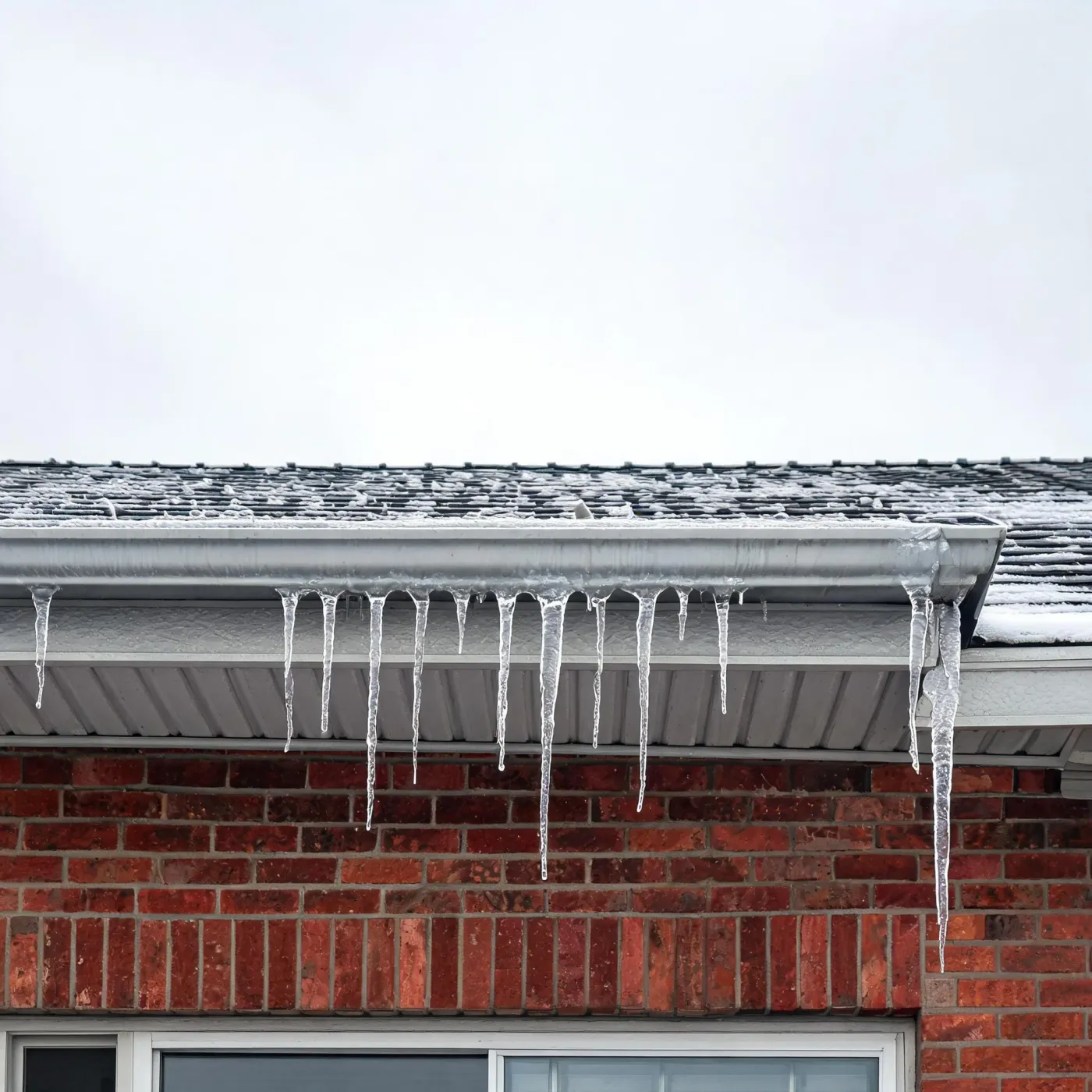
Winter nights average 25°F across Missouri, according to NOAA climate data. That's cold enough that your furnace isn't just topping off heat here and there, it's running in long stretches to keep up, often well into the early morning before the house holds steady. A furnace under 10 years old handles that kind of night without much strain. One past 15 just works harder for it, and that extra strain is usually where you start hearing a longer cycle than usual, or notice the air coming out of the vents feels cooler than it used to before it catches up.
NOAA nClimDiv 1991-2020 county normals weighted by homes


Thermostat calls for heat and signals the control board
Igniter glows hot or sparks to light the gas
Burners ignite and heat the heat exchanger
Blower pushes air across the exchanger into your ducts
A gas furnace in Missouri runs 15 to 20 years with regular care, less if it's been skipped, longer if the burners and filter get checked every year. Past that range, you're watching for the signs rather than just the calendar: uneven heat, a burner cycle that's shorter than it used to be, a startup noise that wasn't there before. None of that means you have to wait for a cold morning with no heat to do something about it. A licensed contractor working in your area sees this exact furnace model more than most, knows what tends to fail on a unit this age, and can tell you whether it's worth another winter or not. You'd be matched with one contractor, not a handful calling at once, someone local who can look at what you've got and give you a straight answer about where it stands.

A furnace pro near you