
Furnace pilot light won't stay lit in Raymore, MO

A Cass County pro who repairs furnaces gets your request.

Find my pro

Why won't my furnace pilot light stay lit?

You keep relighting the pilot and it goes out again within a few minutes or a few hours. In a Raymore winter you notice fast, because the furnace runs for hours at a stretch and a dead pilot means no heat on a cold night. Before you call anyone, it helps to know what actually causes this, since one part is behind it far more often than the rest.

A weak or dirty thermocouple is almost always the cause

The thermocouple is the small metal rod that sits in the pilot flame. Its job is to sense heat and tell the gas valve the pilot is lit. When it gets dirty, bent out of the flame, or simply wears out, it stops sensing heat correctly and the gas valve shuts off the pilot as a safety measure. That is why relighting it works for a while and then it goes out again on its own. Less often the pilot orifice is clogged with soot, or there is a draft near the furnace pulling the flame away from the thermocouple. A furnace that runs most of the day through a Cass County winter puts a lot of hours on that part, which is why this tends to show up more as the system ages.

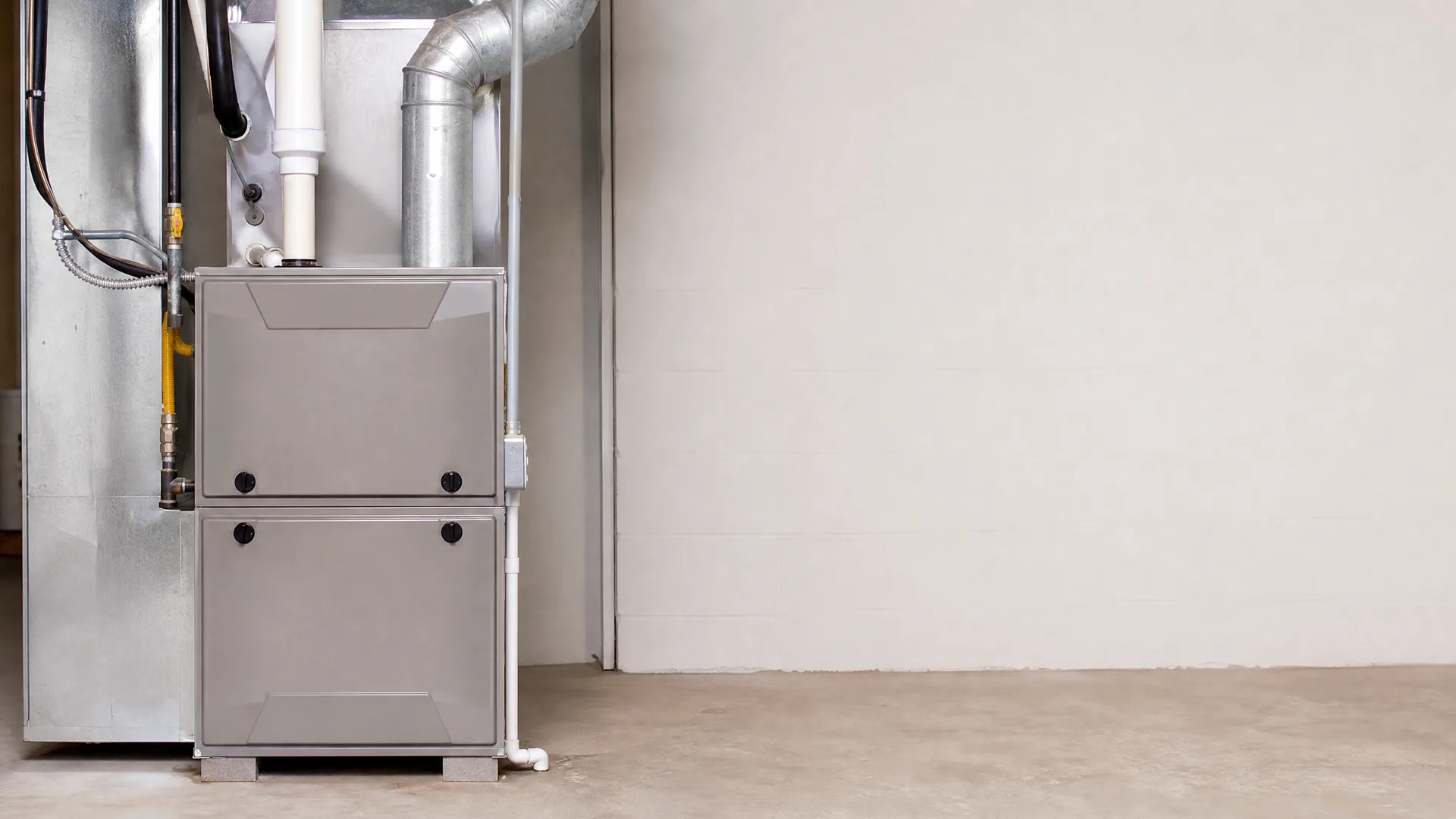
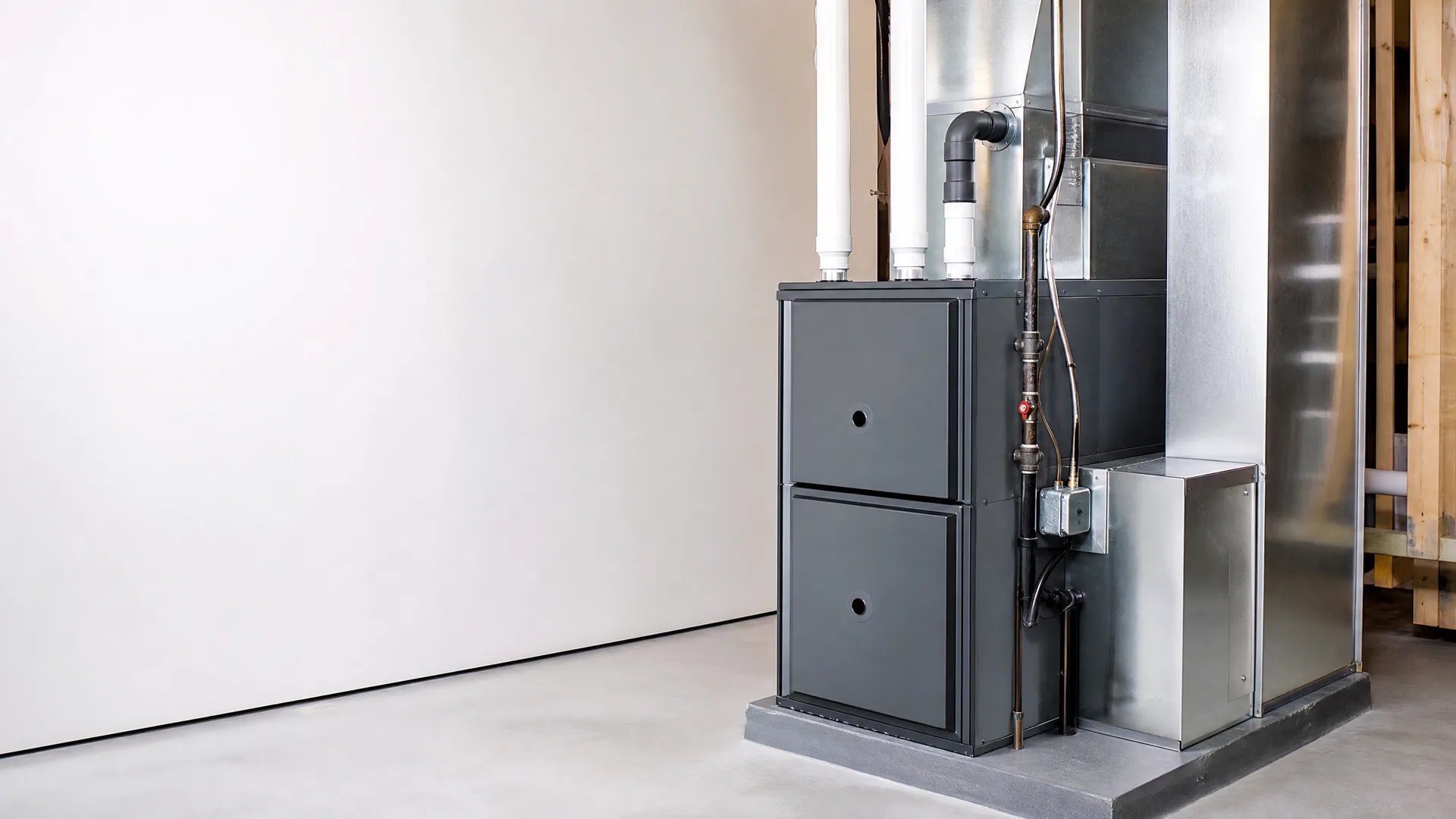
A gray gas furnace with ductwork, PVC venting and gas piping stands against a light-colored wall on a concrete floor, with empty wall space to the right.

The thermocouple reads the flame

A thin metal rod called a thermocouple sits in the pilot flame. Once it heats up, it tells the gas valve to stay open. If the flame doesn't touch it fully, or soot has built up on the tip, it cools faster than it should and shuts the gas off. That's the pilot going out on its own, not a draft blowing it out. A contractor can test the thermocouple with a meter and tell you in minutes whether it's reading low.

A dark gray furnace with two access panels sits on a concrete pad beside sheet-metal ductwork, white PVC vent pipes, copper gas piping and an electrical junction box against a plain light wall.

A dirty orifice starves the flame

The pilot burns off a small orifice that can clog with dust or rust over months of sitting unused between winters. A weak, yellow, or flickering flame instead of a steady blue one is often the sign. A flame that can't hold its shape won't keep the thermocouple hot enough, so the two problems show up together. Cleaning or replacing that orifice is routine work for anyone who services gas furnaces in Cass County through the winter.

Relight It or Get It Checked

Relight It Yourself

  • Following the restart steps on the furnace's own label takes a few minutes and costs nothing.
  • If the pilot holds and stays lit, you know the thermocouple and gas supply are fine for now.
  • A furnace that's been relit a few times with no other symptoms may just need the process done carefully.
  • If the flame is weak or yellow instead of steady blue, relighting it won't fix what's wrong underneath.
  • Doing this yourself works until the pilot goes out again, and in a Cass County winter you may not get much warning before the house goes cold.

Have It Looked At

  • A furnace tech can test the thermocouple's output and replace it if it's reading weak, which isn't something you can check at home.
  • If soot or a draft is pulling the flame off the thermocouple, that cause stays and the pilot keeps going out no matter how many times you relight it.
  • A local tech who works on these furnaces every winter can usually tell within minutes whether it's the thermocouple, the gas valve, or the pilot assembly itself.
  • Gas smell, a flame that won't stay lit after a clean relight, or a furnace that's tripped this more than once are reasons to stop relighting it and get it checked.
  • One contractor coming out means one diagnosis and one answer, not several opinions to sort through while the house sits cold.
A gray furnace with white PVC vent pipes stands beside sheet-metal ductwork in a basement with a smooth concrete floor, exposed wood framing, and plastic sheeting on the walls.

Pilot lit, flame steady

This is what a working setup looks like: clean gas lines, a steady flame on the thermocouple, exhaust venting straight out through the PVC pipe. When these parts are in good shape, the pilot stays lit through a long Raymore cold snap without you touching it.

A beige furnace with two access panels stands against a concrete basement wall, with galvanized sheet-metal ductwork, a white PVC pipe, flexible conduit and insulated ducting around it.

Rust and wear around the cabinet

Rust like this on the cabinet doesn't mean the pilot has to fail, but it's often a sign the furnace has seen a lot of winters. Older gas valves and thermocouples wear out, and that's a common reason the flame won't hold.

A woman in a gray turtleneck sweater stands near a window with snow outside, in a dimly lit living room with a lit Christmas tree, table lamp, sofa and bookshelf.
A woman in a cream knit sweater with her hair in a bun stands in a dimly lit living room looking out a large window at snow-covered evergreen trees, with a lamp, sofa, framed picture and lit candle behind her.
A woman in a thick gray knit sweater stands beside a window looking out at falling snow, with a dimly lit living room containing a lamp, sofa, string lights and a candle behind her.
A woman in a gray turtleneck sweater stands in a dimly lit room with a lit table lamp, framed picture and sofa, looking toward a window with snow outside.

A pro who works on furnaces

A pilot that won't hold usually points to one of two things: a thermocouple that's worn out or going bad, or a draft problem pulling the flame off it. Either one takes a trained eye to tell apart, and guessing wrong means paying for a part that wasn't the issue. Cass County winters don't leave much room for a furnace that's down for days while you sort it out by trial and error. A local contractor who works on these systems all winter has usually seen your exact setup before, knows which failures are common on older gas furnaces around here, and can tell in a visit or two whether it's the thermocouple, the gas valve, or something in the venting. You'll be matched with one contractor, not a handful calling you back at once, so you're dealing with someone who actually has time to look at your furnace instead of juggling five bids. With a dead pilot and cold weather ahead, that's worth setting up now rather than after the next cold snap.

A pilot that won't hold means no heat while it's out, and in Cass County that can run through a whole cold night before anyone's up to notice.

A furnace that quits for hours in January isn't a maybe. Pipes that run along an outside wall are the first ones at risk when the house goes cold.

A gas furnace with a louvered upper panel stands on a concrete pad in a basement, flanked by sheet-metal ductwork, white PVC and metal pipes, and insulated columns.
Before you get your furnace repair
A dark high-efficiency furnace on a concrete pad in a basement, connected to galvanized ductwork, white PVC vent pipes, and copper and black gas piping, with concrete walls and wood framing nearby.
After you get your furnace repair

The gas valve on a standing pilot system won't stay open on its own. It needs a tiny electrical signal from the thermocouple, generated by the heat of the pilot flame itself. That signal has to be steady, or the valve cuts the gas and the flame dies. Small things break that signal. The thermocouple tip might sit slightly off the flame instead of dead center, so it cools faster than the valve wants. Soot built up on the tip slows the signal the same way dirt blocks a window. Even the pilot orifice itself, a fixed opening smaller than a pencil lead, can get partly clogged with debris and starve the flame down to where it can't hold the thermocouple at temperature. Because a standing pilot burns the same small flame day and night, it has no margin, so a draft near the burner compartment can push it off the thermocouple entirely. Older furnaces sometimes separate this function into a pilot generator apart from the thermocouple, but a failure there looks the same from where you're standing: pilot lit, then gone.

How the Pilot Actually Fails

  • The gas valve won't open past the pilot setting unless it senses a small current coming back from the thermocouple.
  • A thermocouple tip that sits even a little off-center in the flame cools down faster than the valve expects.
  • Dirt or soot on the thermocouple tip acts like insulation, slowing the signal the valve is waiting for.
  • A standing pilot burns the same small flame around the clock, so any draft near the burner compartment can pull it sideways.
  • The pilot orifice is a tiny fixed opening, and a speck of debris there can starve the flame enough to weaken the signal.
  • Some older gas valves have a separate pilot generator function from the thermocouple, and either one failing shows the same symptom.
A bearded man in a plaid flannel shirt sits indoors looking out a window at snow-covered trees, with a steaming mug on the sill and wooden kitchen shelves behind him.
A smiling man in a dark blue T-shirt sits on a light gray sofa in a living room with a wooden shelf and window behind him, with a laptop edge visible in the foreground.

Winter nights average 24°F

At 24°F, a furnace that quits overnight doesn't just leave the house chilly, it leaves it cold enough to matter before morning. A pilot that won't hold through one of these nights means hours without heat while everyone's asleep.

NOAA nClimDiv 1991-2020

  1. Gas flows to the pilot and the burner reaches the thermocouple tip.

  2. The thermocouple heats up and generates a small electrical current.

  3. That current holds the gas valve open so gas keeps flowing.

  4. If the thermocouple cools even slightly, the valve senses it.

A pilot that won't hold is almost always the thermocouple, the draft, or the gas valve behind it, and a few minutes of watching the flame tells a trained eye which one it is. That's not a guess you want to make twice in a Cass County cold snap. A furnace tech who works on these systems all winter has likely seen this exact flame pattern before, on this same brand of valve, more than once this season. Getting matched means one licensed local contractor looking at your furnace, not a handful of trucks competing for the job. You relight the pilot, it holds or it doesn't, and either way you now know what to check next. If it keeps going out, the fix is small and specific: a new thermocouple, a sealed draft, a cleaned port. Nothing about this furnace needs guessing once someone who works on them sees it running.

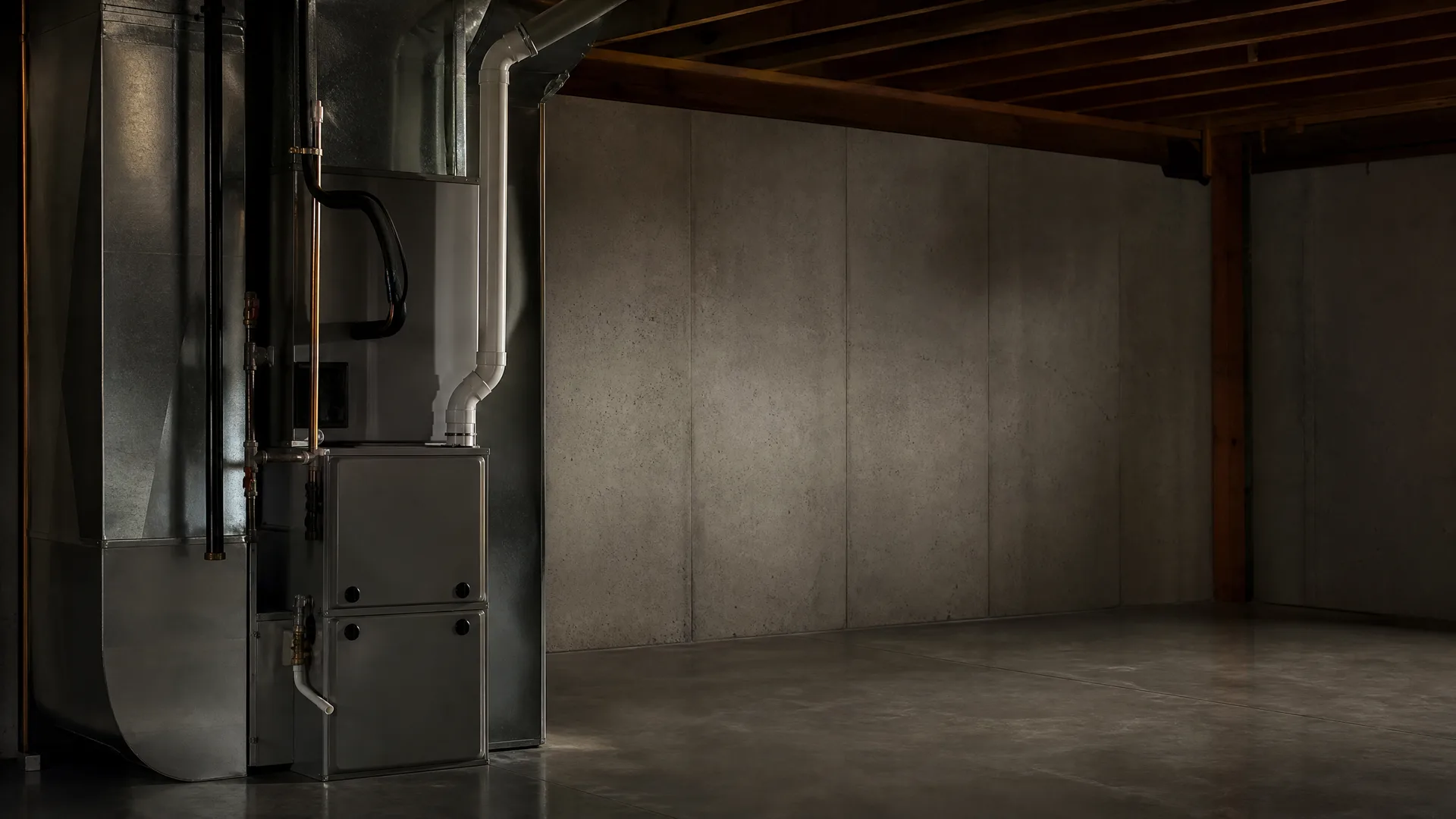
A dimly lit basement with concrete floor and walls, exposed wood joists, and a furnace with sheet-metal ductwork and copper piping on the left side.

Get your furnace to the right pro

Only one pro gets your request, so you hear from one company.

RepairFurnace or heatingCass County, MO
Step 1 of 2

What ZIP code is the job in?