


What winter here does to a heat pump
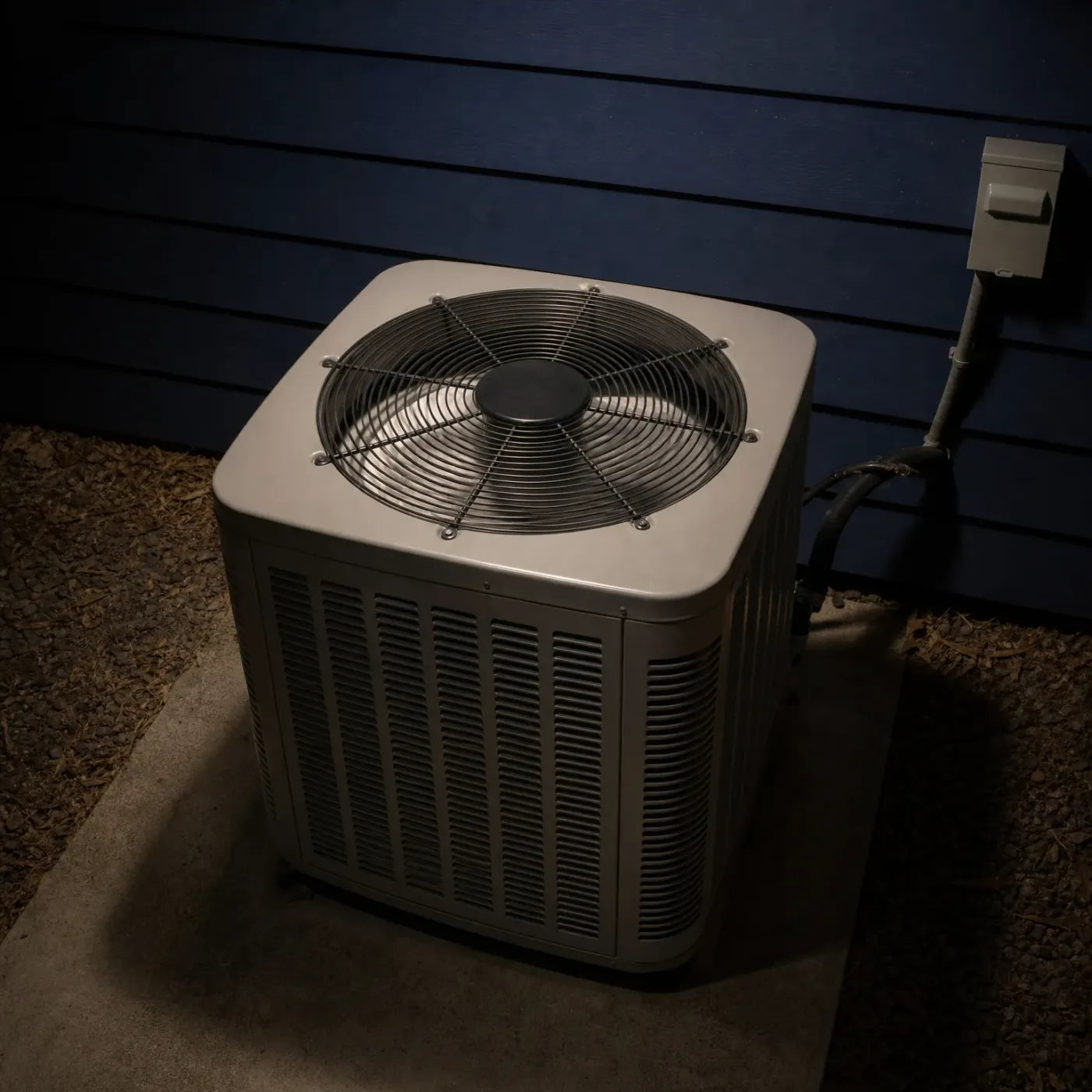
Your winter low here averages 25°F, and the heat runs seven months a year, October through April. A standard heat pump starts falling short of its rated output below 40°F, and often needs backup heat below about 35°F. Both marks sit above your average low. About 105 nights a year here hit freezing or colder, about half the nights in your heating season, and every one of them falls below both marks.
That doesn't mean the heat pump runs out of options. It means it leans on backup heat, usually electric resistance coils, on a lot of winter nights, not just the rare cold snap. Only about 2 nights a year here drop to 0°F or below, a small part of the 105 freezing nights. The rest sit somewhere above that, cold enough to need help but not extreme.
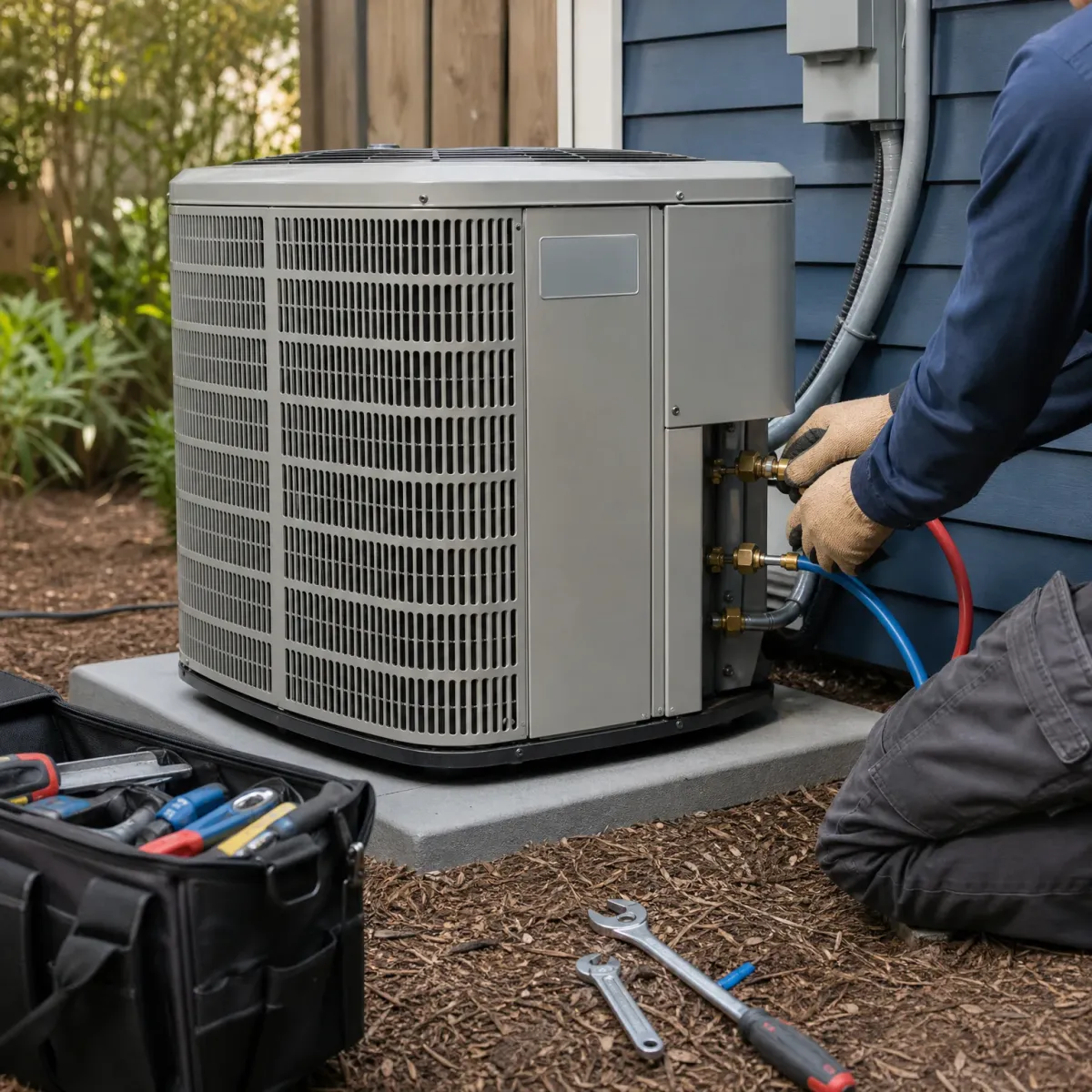
A heat pump built to the ENERGY STAR Cold Climate spec is a different machine. To earn that label it has to deliver at least 1.75 units of heat per unit of electricity at 5°F and hold on to 70 percent of its 47°F capacity at that temperature, checked by outside testing. A two-winter field test of prototype cold-climate units found backup heat covered only a small share of the load between 0°F and 35°F, and running on backup alone was rare above 0°F. If you're set on a heat pump here, that's the version built for your winters, not the standard one.