Where this leaves you
- A furnace needs fuel, ignition and power together, and losing any one of the three stops the heat.
- The igniter fails more than any other part, but a tripped breaker or a bad pressure switch can look the same from the thermostat.
- Overnight lows near 24°F through December, January and February mean a dead furnace turns into a cold house within hours, not days.
- Checking the thermostat setting, the breaker and the pilot light rules out the simplest causes before anyone needs to look at the gas valve or the board.
- Once you send the details through, you're done calling around and repeating the same explanation to every contractor in Raymore who might have an opening.
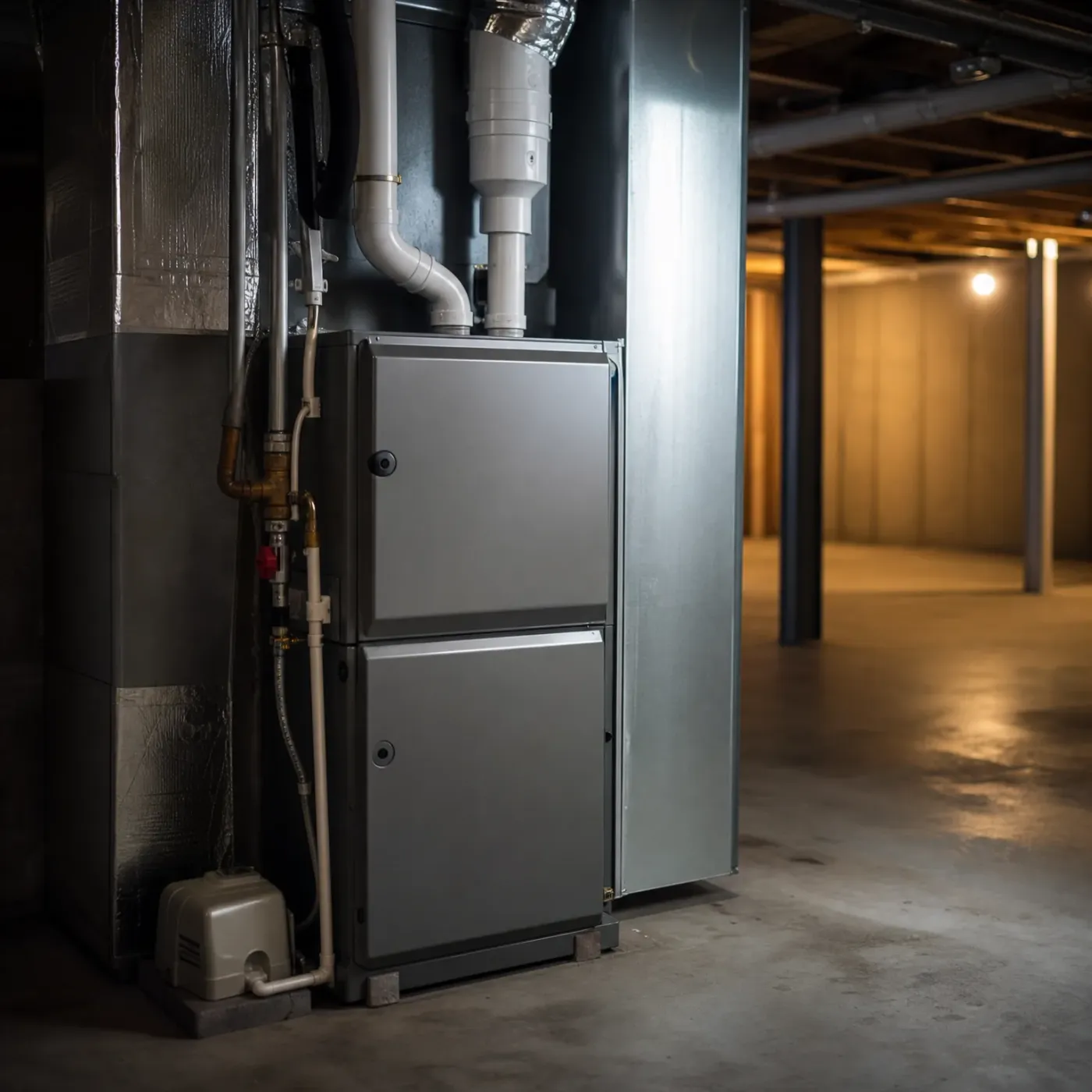
- A furnace that's cycling normally runs quiet, vents steadily and moves warm air without you noticing any of it.
A dead furnace comes down to one of three things missing: fuel, a way to light it, or power to run the blower. The thermostat, the breaker and the pilot light are worth a look first, because they rule out the easy causes in a few minutes. Past that point, the igniter is the part most likely at fault, though a tripped breaker or a bad pressure switch can show the same symptoms at the thermostat, so a quick check at home only goes so far. In Raymore, that matters because December, January and February average around 24°F overnight, and a furnace that quits after dinner leaves a house cold well before morning. There isn't much room to wait on this one.
Once the simple checks are done and the furnace still isn't making heat, the next step is someone who can get to the gas valve, the board or whatever else is behind it. That's usually the part that takes longest, not the repair itself. Instead of calling around Raymore, explaining the same dead furnace to every contractor who picks up, and waiting to hear who has an opening, sending the details through once is the only step left. From there, finding someone to look at it is off your plate.