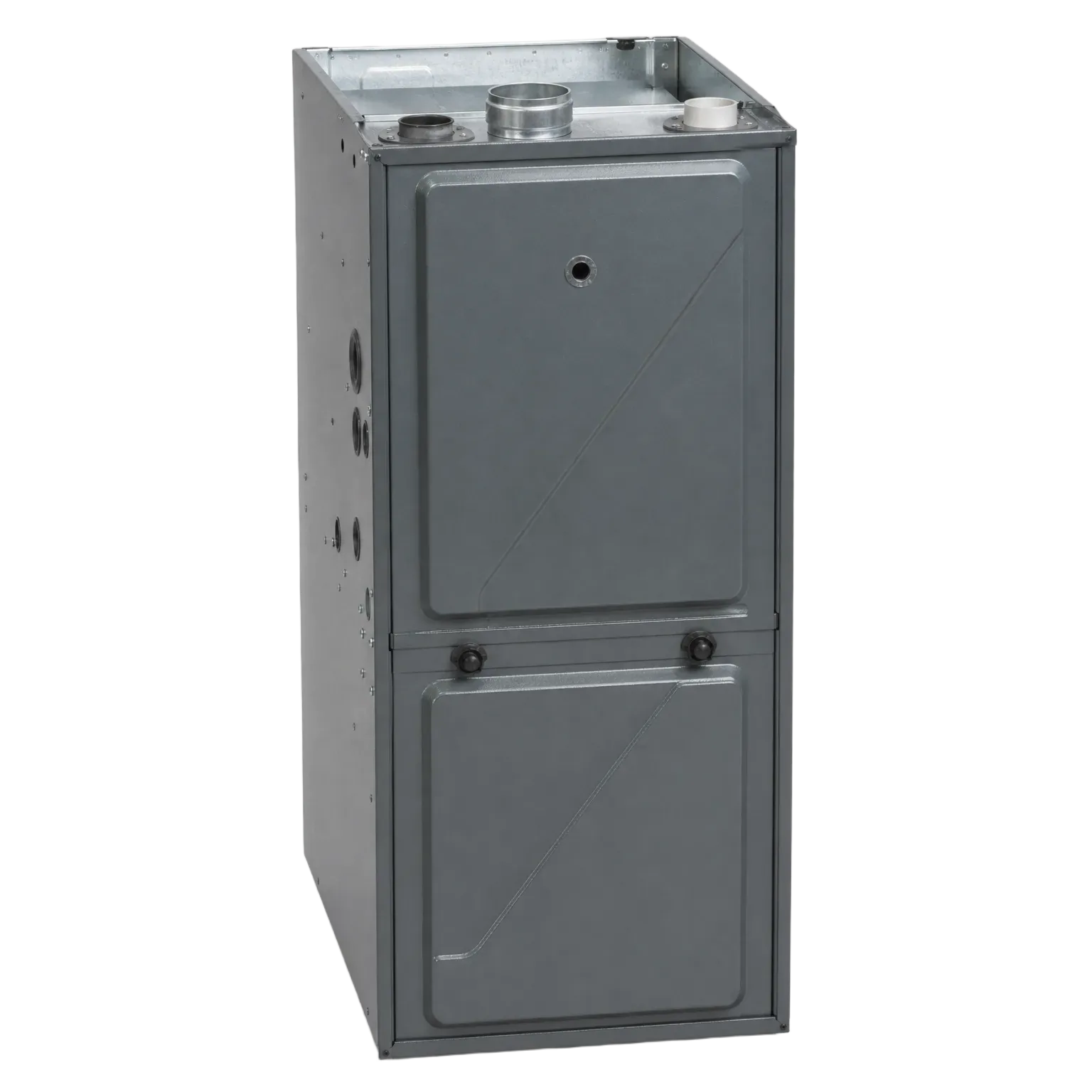
A gray high-efficiency furnace with two white PVC vent pipes stands beside galvanized sheet-metal ductwork in a dim basement with exposed joists and a concrete floor.

A pro who works on furnaces

When a furnace flame sensor needs cleaning in Missouri

A dirty flame sensor is one of the most common reasons a gas furnace shuts itself off partway through a heating cycle. This page covers how often that rod needs cleaning during a Missouri winter and the signs that it's overdue. If you'd rather hand it off, you can get matched with a local contractor who works on furnaces like yours all season.

Find my pro

A flame sensor needs cleaning about once a year, and in Missouri the right time is before your furnace starts running regularly in the fall. The sensor is a thin metal rod near the burner that confirms the flame is lit. Every time the furnace fires, a light film of oxidation builds up on it from normal combustion. Once that film gets thick enough, the sensor can't detect the flame reliably anymore, even though the flame is burning fine. The furnace reads that as no flame and shuts the gas off as a safety measure, sometimes after running for a few seconds, sometimes after a minute or two. With Missouri winters putting a furnace through months of steady use, that buildup has time to get thick enough to cause real trouble by January or February. A furnace that starts, runs briefly, then shuts off and tries again is usually telling you the sensor needs attention, not the whole system.

A gray high-efficiency furnace with white PVC venting pipes stands on blocks in a basement next to sheet-metal ductwork, with exposed wood framing on the left and a concrete wall and floor.
A clean sensor lets the furnace read the flame right away, so it fires once and keeps running through the cycle.
An older gas furnace with two white PVC vent pipes stands on a concrete basement floor beside galvanized sheet-metal ductwork, flexible conduit, and piping along a wall.
A coated sensor can't confirm the flame, so the furnace shuts off partway through, sometimes several times a day.

How the Flame Sensor Actually Works

  • The sensor rod works by microamps, a current so small that a thin layer of soot is enough to block the reading.
  • Flame sensors mount just behind the burner, so the rod sits in the direct path of combustion byproducts every time the furnace runs.
  • The control board reads the sensor signal a few seconds after ignition and cuts gas to the burner if it doesn't get one.
  • Cleaning the rod just means removing the coating with a light abrasive, not replacing the part itself.
  • A furnace that short cycles once a day when it's cold out often does it many more times once it's below freezing for weeks straight.
  • Sensors rarely fail outright, they just lose their ability to read the flame through the buildup.

The flame sensor doesn't detect heat or light. It reads a tiny electrical current, measured in microamps, that only flows when the rod is sitting in an actual flame. That current tells the control board the burner caught. The board waits a few seconds after ignition for that signal, and if it doesn't arrive, it shuts the gas valve and stops the cycle. It's a safety check, nothing more.

The problem is where the rod sits. It mounts right behind the burner, in the path of every bit of exhaust the flame produces. Over weeks of regular firing, that exhaust leaves a thin layer of soot and oxidation on the metal. The rod doesn't break and it doesn't wear out. It just loses the ability to pass a strong enough signal through the coating. From the board's side, a sensor buried in soot looks the same as no flame at all.

Cleaning it is simple once a contractor gets the burner compartment open: a light abrasive removes the coating from the rod, and the part goes back in. Nothing gets replaced. That's why this is maintenance and not a repair. Left alone, the pattern usually gets worse as the season goes on. A furnace that cuts out once on a cold evening in November can end up doing it a dozen times a day once temperatures sit below freezing for weeks on end, since the furnace is firing that much more often.

An older woman with gray hair in a cream knit sweater sits under a blanket on a sofa by a window, looking outside toward yellow-leaved trees, with a lamp, shelves and an armchair in the room behind her.
A gray-haired woman in a chunky knit sweater sits in an armchair with a blanket, looking out a window at yellow autumn foliage, with bookshelves and a potted plant behind her.
A gray-haired woman in a navy sweater sits in an armchair with a knit blanket beside a window, looking out at yellow autumn foliage, with a dining table and houseplant in the room behind her.
A gray-haired woman in a gray cowl-neck sweater sits in an armchair with a blanket, looking out a dark-framed window toward yellow autumn trees.

Get your furnace to the right pro

A licensed local pro takes the request for your furnace tune-up.

No charge to send it. You decide if you hire them.

The rod carries only a few millionths of an amp. That is why a film too thin to see with the furnace light off is still enough to stop the signal.

Once that film builds up, cleaning it off is what brings the reading back, not a new part. Most flame sensors just need the rod wiped clean, not replaced.

A woman in a cream knit sweater sits in an armchair with her eyes closed near a window showing yellow autumn foliage, with a mug on a round wooden side table beside her.
A gray-haired man with a beard in a blue button-placket shirt reclines on a couch with his eyes closed, beside a sunlit window with a green plant.

Short cycling in January

A furnace that fires, runs a few minutes, then quits over and over is burning gas without heating your house. A clean sensor fixes that in one visit.

Find a local pro

A no-heat call on the coldest morning

Once the sensor gets coated enough, the furnace stops firing at all. A local contractor who services this equipment every fall can catch it before it gets there.

Find a local pro

Clean It Yourself or Call a Pro

Clean it yourself

  • You need the furnace panel off and a few inches of clearance to reach the burner compartment where the sensor mounts.
  • Fine steel wool or a plain emery cloth takes the coating off the rod without scratching it; a scouring pad or sandpaper is too rough.
  • The rod has to come out, get wiped down, and go back in seated the same way it came out, or the furnace won't read the flame right.
  • If the furnace keeps shutting off after a cleaning, the problem may be the gas valve, the igniter, or something else that looks the same from the thermostat.
  • Missing the mounting screw or cracking the rod means buying a replacement part and a second trip into the furnace.

Have a contractor do it

  • A local contractor who services furnaces every winter knows which models in your area clog fastest and where the sensor sits on each one.
  • They can tell from the short cycling pattern alone whether it's the sensor or something else, before the panel ever comes off.
  • One contractor means one visit and one person who knows what was done last time, not several companies calling about the same job.
  • If the rod turns out to be cracked or the reading still won't hold after cleaning, they carry the part and can swap it the same visit.
  • A contractor who works on your specific furnace brand knows the quirks that aren't in the manual.
A beige high-efficiency furnace stands on a concrete basement floor beside sheet-metal ductwork, with white PVC vent pipes, flexible conduit and copper and steel piping running up a concrete wall to an electrical box.

Firing clean on the first try

This is what a sensor reads correctly: one flame, held steady, no shutoff partway through the cycle. The furnace calls for heat, lights once, and runs until your thermostat is satisfied. That is what cleaning the rod before fall gets you.

An older gas furnace with a louvered front panel stands on a concrete basement floor beside large sheet-metal ductwork, a metal flue pipe, copper piping and wood framing.

Soot winning out

This basement shows the other side of it. Dust has settled around the unit, and a furnace running this way is likely cycling off on its own, sometimes more than once an hour, as the coated rod loses the flame it's supposed to be reading.

Winter nights average 25°F statewide

With nights near 25°F, your furnace is firing often and staying on for stretches to hold the house. A coated sensor is more likely to cut that cycle short right when you need the heat to run straight through.

NOAA nClimDiv 1991-2020 county normals weighted by homes

A woman stands in the open doorway of a white stucco house holding the dark door, facing a man in a black cap and shirt seen from behind in the blurred foreground, with a potted flowering plant beside the entry.

One cleaning, done before the cold sets in

A flame sensor that gets cleaned before your furnace settles into regular winter runs is one less thing that can cut your heat off on a cold morning. That's the whole job: a rod wiped clean so it reads the flame right away and lets the furnace run the cycle through.

A local contractor who handles furnaces all winter has seen this rod fail the same way in plenty of other houses, and knows what to check if cleaning it doesn't solve the shutoff. When you ask to be matched, it's one contractor who takes the call, licensed to work in Missouri and familiar with this kind of furnace, not a list of companies competing for your number.


Interior corner of a dining room with a round wooden table, a ceramic vase holding olive branches, a dark spindle-back chair near a curtained window, and a sideboard with a lamp against beige walls.
A single-story stucco house at dusk with a lit paver walkway lined by low path lights, desert plants and boulders in front, and distant mountains under an orange and blue sky.

Furnace Maintenance

Matched to your furnace job

Tune-up, service, or cleaningFurnace or heatingMissouri
Step 1 of 2

What ZIP code is the job in?

  • A brown leather and wood armchair with a cream knit throw sits in a corner beside a woven basket holding a dark cushion, under a framed mountain photograph, with a wood-trimmed window showing yellow and green foliage.
    • Describe your furnace job, and a local pro who handles it gets in touch.
  • A dark wood dresser against a pale wall holds a ceramic vase of eucalyptus branches, a stack of books with a wooden bowl, and a woven basket, with a framed landscape painting above and a woven basket holding a knit blanket on the floor beside a window.
    • Send the form, and lining up the furnace tune-up stops being yours to chase.
    • Send the form and the furnace tune-up stops being something to remember.
  • A window seat with beige linen and brown textured cushions, a chunky knit blanket, and an open book, beside a window showing blurred yellow autumn foliage.
    • Skip calling around to set up a furnace tune-up.
    • One form instead of hunting for a pro who does furnace tune-ups.
  • A cream upholstered armchair with a rust-colored pillow and knit fringed throw sits beside a window with a ceramic vase of orange-leafed branches on the sill, overlooking autumn trees and leaf-covered ground.
    • Your request stays with one local pro.
    • Your request goes to one pro, not a list of companies.











