



Heat pump vs furnace in Cape Girardeau County, Missouri

Get a Local Quote

Pros who install both

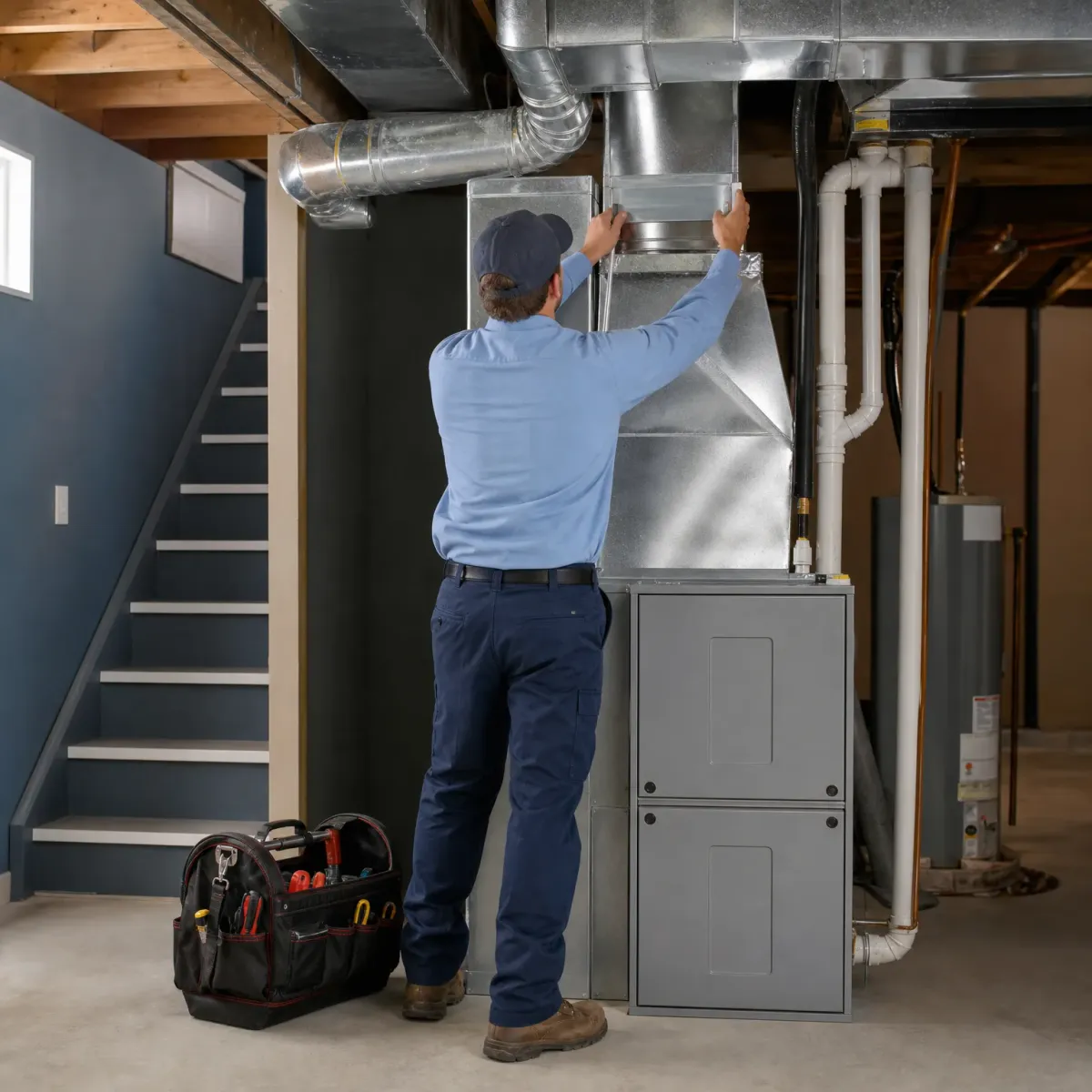
A man in a blue shirt, navy pants and cap works on sheet metal ductwork above a gray furnace in a basement, with an open tool bag on the floor and stairs to the left.

Tell us about the job

Takes about a minute. No obligation.

New system or replacementCape Girardeau County, MO
Step 1 of 3

What kind of equipment?

Which costs less to run in Cape Girardeau County?

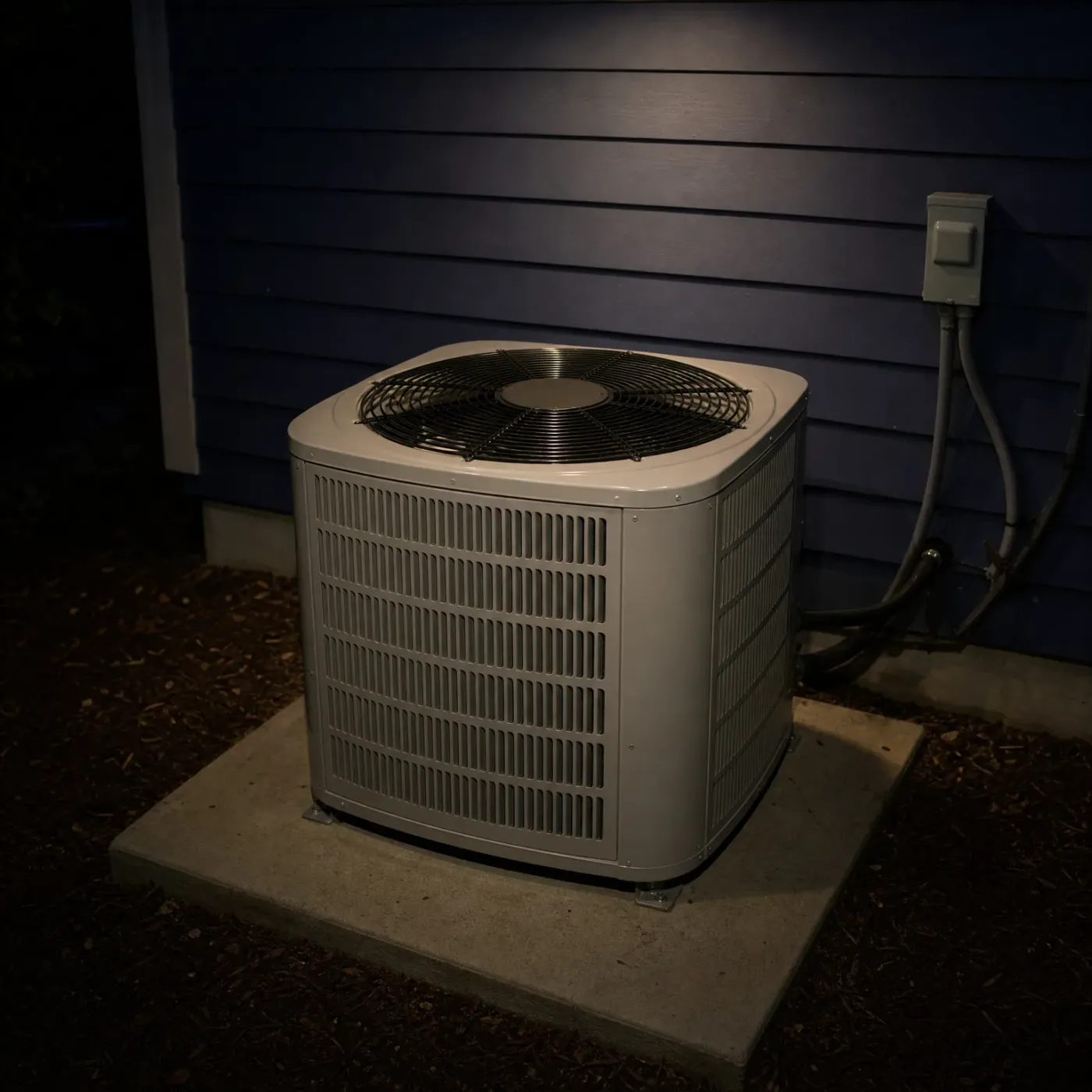
A beige outdoor condenser unit with a top fan grille sits on a concrete pad beside a dark blue horizontal-siding wall at night, with a wall-mounted disconnect box and conduit to the right.

Heat pump

To heat your home here$1.72per 100,000 Btu

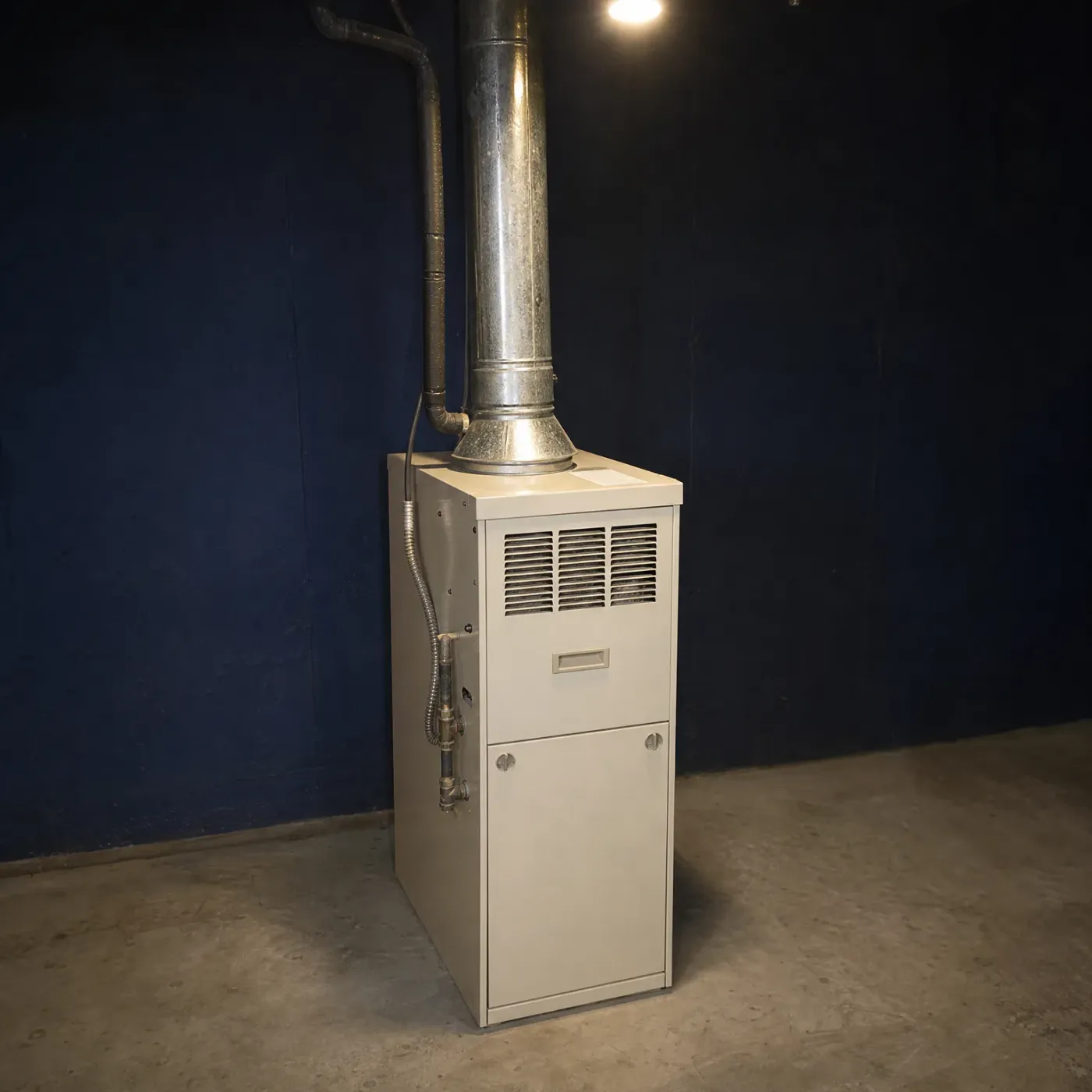
A beige residential furnace with a louvered vent panel stands against a dark blue wall on a concrete floor, with a metal flue pipe and a smaller duct rising from its top.

Furnace

To heat your home here$2.06per 100,000 Btu

At Missouri's gas and electricity prices, a heat pump makes the same heat as a gas furnace for about 16% less.

Btu stands for British thermal unit, the standard measure of heat energy.

Where does a heat pump shine?

  • Covers a long cooling season

    May through September is a long stretch to run cooling here. A heat pump is doing that job the whole time, not just standing by for a few hot weeks, so it's worth picking one built to handle real summer demand.

    A covered porch with dark wicker furniture, cream cushions, a ceiling fan with light, a hanging fern, a wooden dining table beyond the railing, and a glass of iced tea on a round table in the foreground.
  • Steady, even comfort

    A heat pump runs long and low instead of blasting on and off. Rooms hold an even temperature all day.

    A golden retriever sleeps on a woven rug in a living room with a navy armchair holding an open book and gray throw, a lit fireplace, a wooden sideboard with a lamp, and a window showing snow outside.
  • No gas line, nothing burning in the house

    A heat pump runs on electricity alone. Nothing burns inside the house.

    A kitchen island with a white marble-look countertop holding a black glass cooktop, a dark kettle, a blue mug and a striped towel, with navy cabinets, a marble backsplash, a wood shelf of dishes, and a window showing evergreen trees.

Where does a furnace shine?

  • Fast, strong heat on demand

    The air coming from the vents feels genuinely hot. That's welcome on a freezing morning.

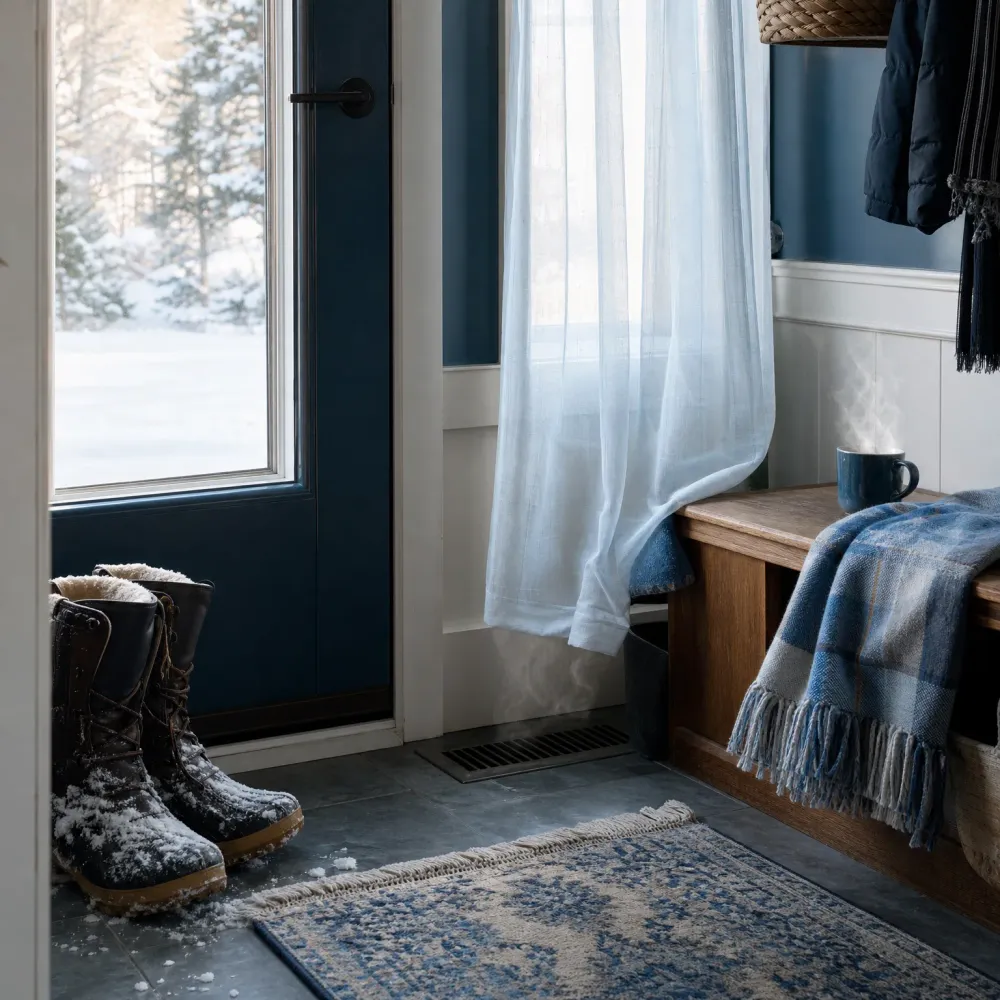
    A mudroom entry with snow-covered boots on a tiled floor, a floor vent, a wooden bench with a blue plaid throw and steaming mug, a sheer curtain, a dark blue door, and a snowy conifer landscape outside the window.
  • Pairs with any central AC

    The ductwork that delivers heat in winter delivers cool air in summer once an AC coil is added.

    A dark metal floor register set into a wood plank floor near a white baseboard and window, with a sheer white curtain, a navy door, and a blue and white rug nearby in sunlight.
  • Proven, simple, easy to get serviced

    Gas furnaces have heated homes for generations. Almost every HVAC tech knows them inside and out.

    A gloved hand holds a pleated white air filter in front of a furnace, beside wooden shelves holding a storage bin, mug, folded towels and a basket.

What winter here does to a heat pump

Your heat runs seven months a year here, October through April, and the overnight low averages 27°F across the three coldest months. That number matters because a standard heat pump starts losing ground before it gets that cold. Below 40°F it puts out less heat than its rating says. Below about 35°F it often needs backup heat to make up the difference. An average night here sits below both marks.

This is not rare cold. About 90 nights a year here drop to freezing or below, under half the nights in the heating season but still a lot of them, and every one of those 90 nights is below both the 40°F and 35°F marks. Only about one night a year reaches 0°F. So the real question for your house is not whether a heat pump can survive a rare deep freeze. It is what it does on an ordinary night in the high 20s, because that is most of them.

A heat pump built to carry the ENERGY STAR Cold Climate label is built for that ordinary cold night. To earn the label, it has to still make 1.75 units of heat for every unit of electricity at 5°F, and hold onto at least 70 percent of its 47°F heating capacity at that same temperature, both checked by outside testing. That is a different machine than the federal-minimum unit priced in the running-cost numbers above. In a two-winter field test of cold-climate heat pumps in occupied homes, backup heat covered only a small share of the load between 0°F and 35°F, and running on backup alone was rare even above 0°F. A standard heat pump and a cold-climate one are not the same bet in a county where the average winter night is 27°F.
A two-story navy-blue house with white trim, light blue shutters and a wreath on the front door, with snow covering the roof, shrubs and lawn beside a cleared concrete walkway, framed by bare trees.

What this means for your bill and your AC

On cost to run, the heat pump wins. At Missouri's prices, a heat pump makes the same heat for $1.72 per 100,000 Btu against $2.06 for a gas furnace. That figure already assumes a federal-minimum heat pump and adds nothing for backup heat, so the gap holds even on the cold nights above, and a cold-climate model leaning less on backup heat would likely hold the edge better than this number shows.

Cooling is the other half of this choice. Your cooling season runs five months, May through September, with about 50 days a year hitting 90°F or hotter. A furnace has no part in any of that. It heats, and for those five months it sits unused while a separate air conditioner does the work. A heat pump is the air conditioner for those five months and the heater for the other seven, one machine instead of two.

Locally, gas heats about two in five homes here and electricity heats a little under half, so neither fuel is the unusual choice. If your house already has a gas line and a furnace that came with it, pairing a new furnace with your existing AC is the simpler swap. If you are deciding fresh, or your furnace and AC are both due at once, a cold-climate heat pump covers both seasons in one system and costs less to run than a furnace does to heat alone.

Sources: NOAA nClimDiv · NOAA 1991–2020 seasonal normals · Census ACS 2020–2024 · EIA SEDS 2024 · 10 CFR 430.32 · PNNL Building America guide · PNNL-37127 field study · ENERGY STAR product criteria

A two-story blue house with white trim, a light blue front door and black shutters, with a snow-covered roof and yard, a cleared concrete walkway, bare trees behind, and neighboring houses on either side.

Common questions about heat pumps and furnaces

  • Can a heat pump heat a house through a Missouri winter?

    Yes, but its output drops as the temperature drops. Below 40°F a standard heat pump delivers less than its rated heating capacity, and below about 35°F it often needs backup heat. The average overnight low here in December, January and February is 27°F, so most winter nights fall into that range, though only about one night a year reaches 0°F or below, where backup heat would carry the most load.

  • Do I need backup heat with a heat pump here?

    Most homes here would want it. The average winter overnight low, 27°F, sits below the roughly 35°F mark where a standard heat pump's efficiency drops and typically needs help, and about 90 nights a year fall at or below freezing. A gas furnace or an electric element are the usual ways to cover those colder nights.

  • Can I keep my furnace and add a heat pump?

    Yes, and here that pairing earns its keep. The heat pump would carry most of the heating load, and the furnace would only need to step in on the coldest nights, the roughly one night a year that drops to 0°F or below. The rest of winter, including the 90 or so nights at or below freezing, a heat pump still produces real heat, just less of its rated output as the temperature drops.

  • Is a heat pump cheaper to run than a furnace in Cape Girardeau County?

    Yes. A heat pump here runs about $1.72 per 100,000 Btu of heat against $2.06 for a gas furnace, so it costs less to make the same heat at Missouri's average prices. That gap holds over the full heating season, October through April, not just on mild days.