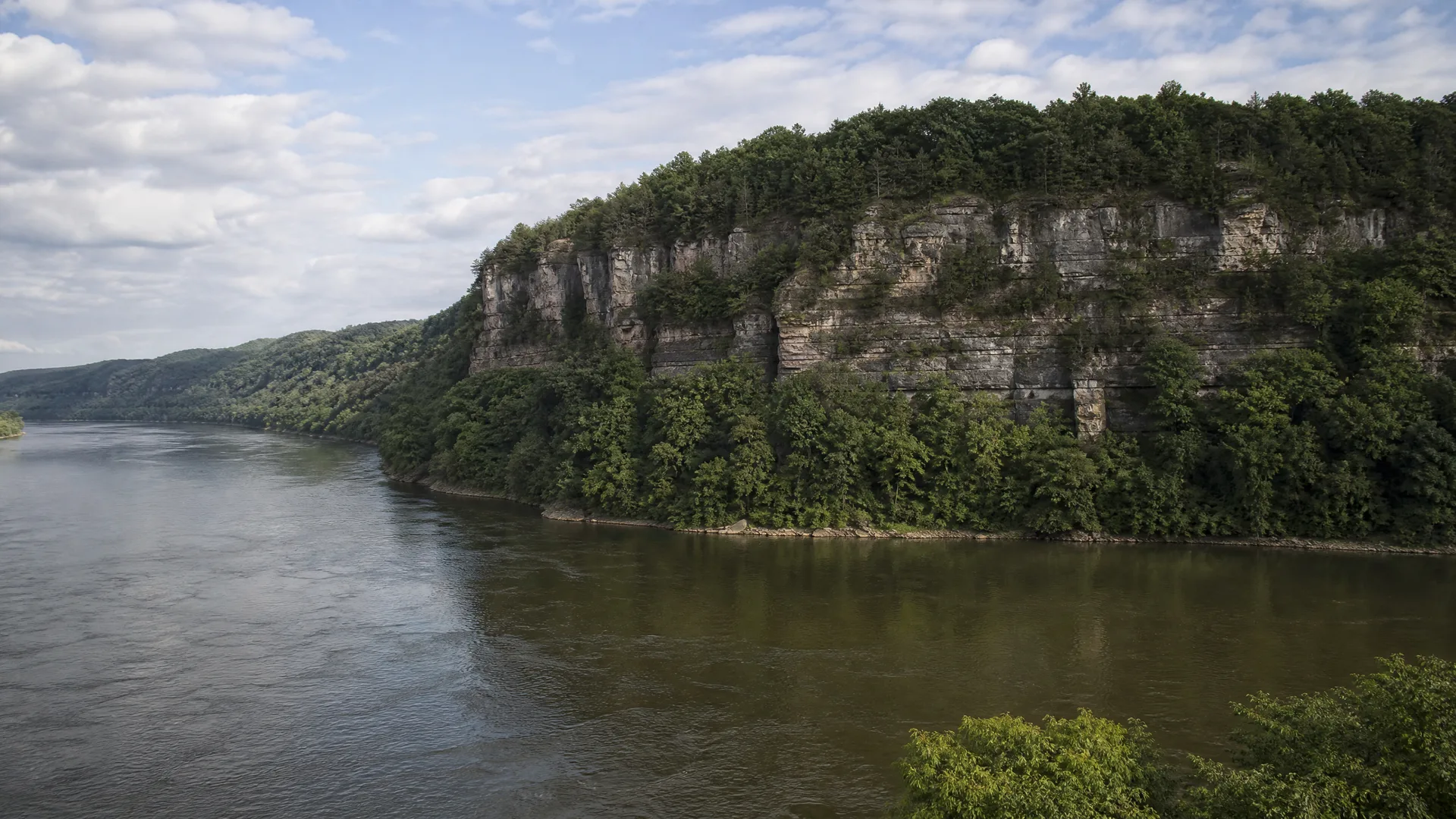
A filter changed on schedule
This is what a furnace looks like when the filter has kept up with it. Air moves freely through the ductwork, the burner cycles the way it was designed to, and nothing in the basement is working harder than it has to.

A one-inch furnace filter needs changing every 1 to 3 months, and in Missouri most homes land closer to the 1 to 2 month mark. Gas furnaces here run from October through April, and that's a long stretch of steady use pulling air through the same filter. Then summer turns around and the air conditioning uses the same ductwork and the same filter, so it never really gets a rest even in the months the furnace is off. A thicker pleated filter, 4 or 5 inches, can go longer, sometimes 6 to 12 months, depending on what it's rated for. Check it monthly during the heating months and hold it up to a light. If you can't see light through it, change it regardless of the calendar. A dirty filter makes the furnace work harder to pull air through it, and that shows up as higher gas and electric bills before it shows up as a breakdown.




The furnace pulls air through the filter before it ever reaches the blower. When that filter is clean, the blower moves air with little resistance. As dust builds up, the blower has to work harder to pull the same volume of air through, and the motor draws more power doing it. That's the first effect. The second is airflow itself drops off, so the heat exchanger has less air moving across it, and the thermostat takes longer to see the temperature it's waiting for. The furnace answers by running longer, or in some cases shutting off and restarting more than it should. That short cycling gets blamed on the igniter or the thermostat sometimes, when a clogged filter is the actual cause. Not all filters clog at the same rate either. A pleated filter catches more dust per pass than a plain fiberglass one, which is good for the air but means it fills in faster than the box's printed interval suggests. A house with a dog or cat shedding into the return air, or a thermostat fan switch left on "on" instead of "auto" so air keeps moving around the clock, will load a filter faster than a quiet house with the fan on auto. There's a simple check if you're unsure: pull the filter and hold it up to a light. If light passes through, it's still working. If it looks like a solid gray sheet, it's already past due.


Check the filter before you blame the room. When it's packed with dust, the rooms farthest from the furnace are usually the first to run cold, since there's less air pushing through the ducts to reach them. You might also notice the furnace running long stretches without shutting off, or a burning dust smell when it first kicks on after sitting idle. Some homes see a jump on the power bill as the blower strains to move air through a clogged filter. Left too long, a furnace can overheat and shut itself down mid-cycle, which on a cold January night in Missouri is the last thing you want to deal with.

This is what a furnace looks like when the filter has kept up with it. Air moves freely through the ductwork, the burner cycles the way it was designed to, and nothing in the basement is working harder than it has to.

An older furnace like this one still depends on the same clean airflow, and a clogged filter puts more strain on it. Dust buildup makes the blower push harder against the clog, and over a winter that strain adds up on a unit already carrying some age.
You've seen filters at the hardware store in different thicknesses and wonder if paying more for a thicker one means fewer trips to change it. It seems like it should work that way, and you'd rather plan around a longer interval if the furnace allows it.
A 4 or 5 inch filter holds more surface area than a 1 inch filter, so dust has more room to collect before airflow drops. That's why these thicker filters are usually rated for 6 to 12 months instead of 1 to 3. But not every furnace can take one. A 1 inch filter fits a slot built for that size, and a thicker filter needs a different housing, sometimes built into the ductwork near the furnace. If your furnace was set up for a 1 inch filter, switching sizes isn't a simple swap. Check what your system is built for before you buy based on the interval alone.

This is a furnace running the way it was installed to. Air moves through the ductwork without a fight, the burner cycles on and off on its own schedule, and the basement around it stays dry and quiet. A filter changed on time is most of what keeps it this way.

This furnace is older, and whatever filter it has left is likely choked with dust by now. A blower working against a blocked filter runs longer to push the same air, and that strain shows up as moisture and wear around the unit over time, not just a higher bill.


You could keep guessing at a schedule, or you could have someone look at your actual filter, your actual furnace, and tell you what it needs. Checking a filter every month for half a year is easy to put off, and easy to forget until a room runs cold or the furnace won't stop running. Finding someone to look at the whole system, not just the filter, usually means calling a few numbers, explaining the same thing three times, and waiting to hear back. A furnace that's been on since October has had time to show what it needs. Hand this one off and let someone who does this for a living tell you where your filter and your furnace actually stand before the cold months are through.
A one-inch filter costs little to swap and a blower motor costs a lot to replace. That math alone is why the 1 to 2 month schedule is worth keeping.
Missouri's gas furnaces run October through April without much of a break. A filter that only had to last a mild season somewhere else won't make it that far here.
Average that out and a lot of nights sit near 25°F, which means long, steady burner cycles to hold the house at temperature. A loaded filter fights that airflow the whole time, so the furnace works harder exactly when it can least afford to.
NOAA nClimDiv 1991-2020 county normals weighted by homes
Air gets pulled in through the return duct toward the blower.
The filter sits in that path and catches dust before the coil.
Dust builds across the filter's surface and narrows the path for air.
The blower pulls harder to push the same air through a tighter filter.
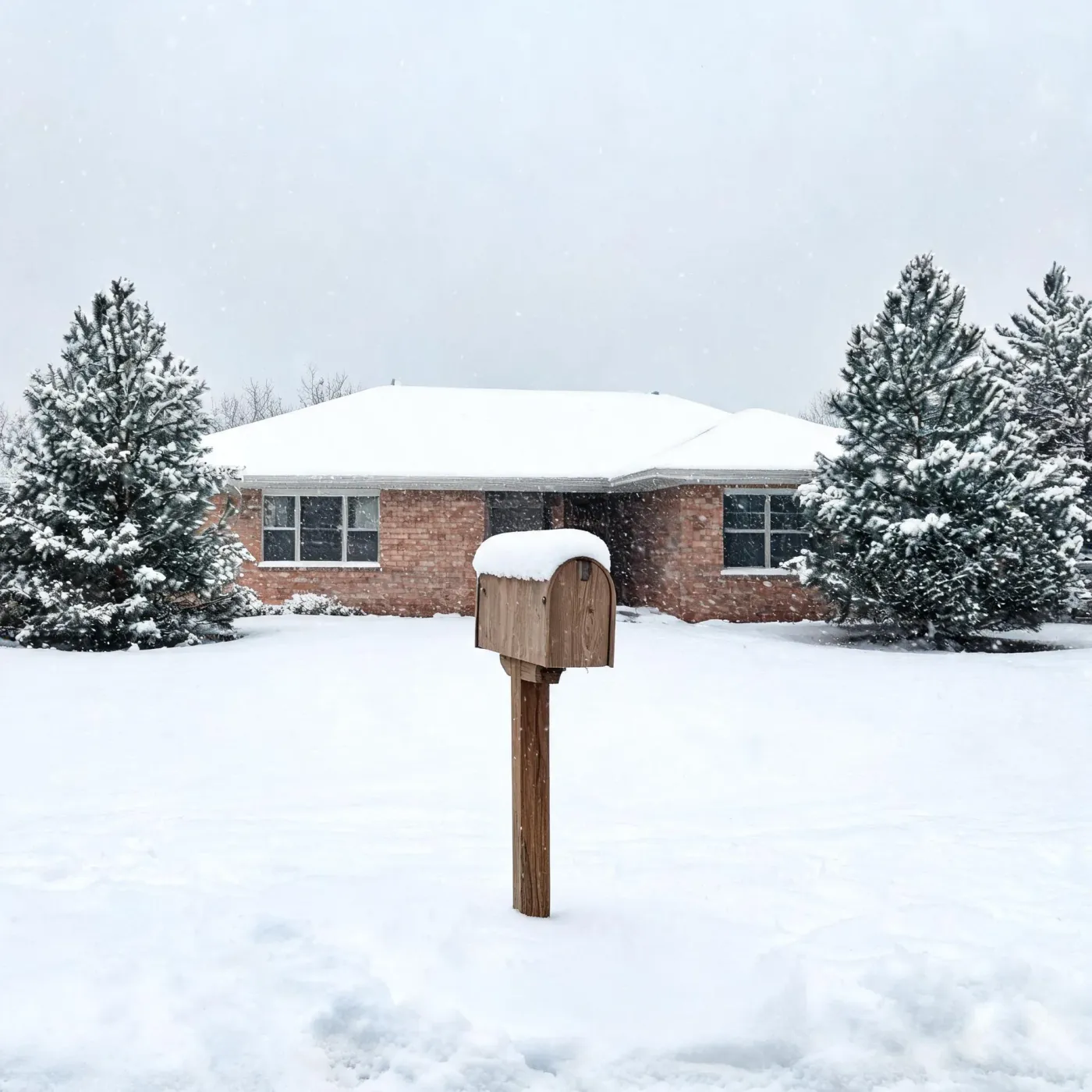
Statewide, winter nights average 25°F, and that number comes from NOAA climate data. A night that cold means the furnace isn't cycling on and off a few times, it's running long stretches to hold the house at temperature. Every one of those stretches pulls air through the filter. If that filter is loaded with dust, the furnace has to push harder to move the same air, and you'll notice it: the blower running longer than it used to, a room that used to warm up fast now taking its time, maybe a furnace that sounds like it's working. On the coldest nights, a clean filter is doing the furnace a real favor.
NOAA nClimDiv 1991-2020 county normals weighted by homes



That's the schedule that fits a Missouri winter. Mark it on the calendar if you have to, because six or seven months is long enough to lose track of when you last checked. A furnace that pulls clean air all winter cycles the way it was built to, and nothing in the basement works harder than it should.
If you'd rather not be the one checking a filter every month until spring, that part can be handed off. Answer a few questions about your furnace and your house, and a contractor who works on systems like yours in your area will reach out to you directly. No calling around, no repeating the same details to three different companies, no sorting through quotes to figure out who actually covers your part of Missouri. You'll know where you stand with your furnace, and someone who knows it will be the one looking at it.

It costs nothing to send, and you don't have to hire anyone.
A furnace that's never had its filter checked by anyone but you is still a guess every time. Someone who looks at it in person can tell you whether your ductwork and your furnace need the 1-month end of that range or the 2-month end, instead of you splitting the difference all winter.