










Why your furnace keeps turning on and off in Missouri

RepairFurnace or heatingMissouri
Step 1 of 2

What ZIP code is the job in?

Why does my furnace keep turning on and off?

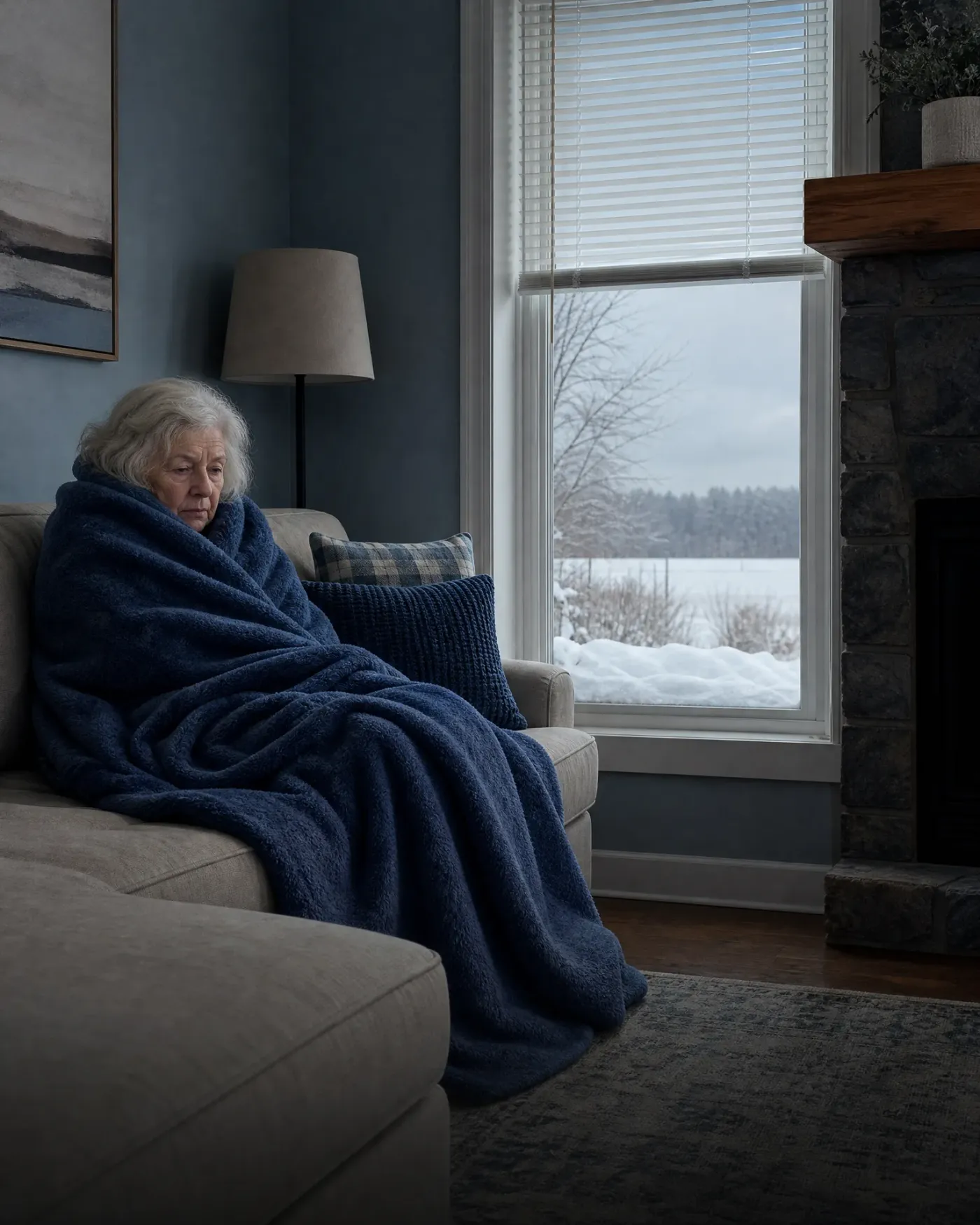
You keep hearing your furnace fire up, run for a few minutes, then shut off before the house ever feels warm. It happens again a short while later. In the middle of a Missouri winter that's unsettling, especially if the thermostat is set well above what the room actually feels like. You want to know what's making it cycle like that and whether it's something that needs a repair call now or can wait.

A dirty filter or a cracked heat exchanger is usually behind it

A furnace that short cycles is almost always overheating inside its own cabinet and shutting itself off as a safety measure. A clogged air filter blocks airflow across the heat exchanger, the metal chamber heats up faster than the blower can cool it, and a limit switch trips to protect it. Swapping the filter fixes a lot of these. If the problem keeps happening with a clean filter, the cause is often further in: a cracked heat exchanger, a failing flame sensor, or a blower motor that isn't moving enough air. With gas heat running most homes here through a Missouri winter, a furnace that won't stay on strains harder to keep rooms warm and puts more wear on the parts that are already struggling.

A gray-haired man in a dark sweater sits on a light gray sofa in a living room, looking toward a sunlit window with trees outside.
A gray-haired man in a dark blue sweater sits on a light gray sofa in a sunlit living room, looking off to the side, with a potted plant, shelving unit, and large glass doors behind him.
A bearded man with graying hair in a dark green sweater sits on a sofa in a living room, looking off to the side, with a sliding glass door and a dim kitchen doorway behind him.
A gray-haired man in a dark knit sweater sits on a light gray sofa in a living room, looking toward a sunlit window, with houseplants, a lamp, and framed art in the background.

What You Can Check, What Needs a Pro

Dirty filter or blocked vent

  • A clogged filter chokes airflow across the heat exchanger, so it overheats and shuts off on its high limit switch before the room warms up.
  • Furniture or curtains blocking a return vent starves the system the same way a dirty filter does.
  • You can check the filter yourself and hold it up to a light to see if air passes through it.
  • If swapping the filter stops the short cycling, that was the whole problem.
  • This one costs you nothing beyond a new filter and a few minutes.

Failing flame sensor or ignition part

  • A flame sensor coated in residue can't confirm the burner lit, so the control board cuts gas to the burner as a safety measure.
  • A cracked igniter or a weak one that's wearing out may start the flame, then fail to hold it steady.
  • A thermostat wired wrong or sitting near a heat source can also tell the furnace to shut off early.
  • These parts sit inside the cabinet and behind the burner assembly, not somewhere you'd normally look or touch.
  • A technician who services furnaces through Missouri winters every year can usually tell which part it is by how the cycle plays out before opening the panel.
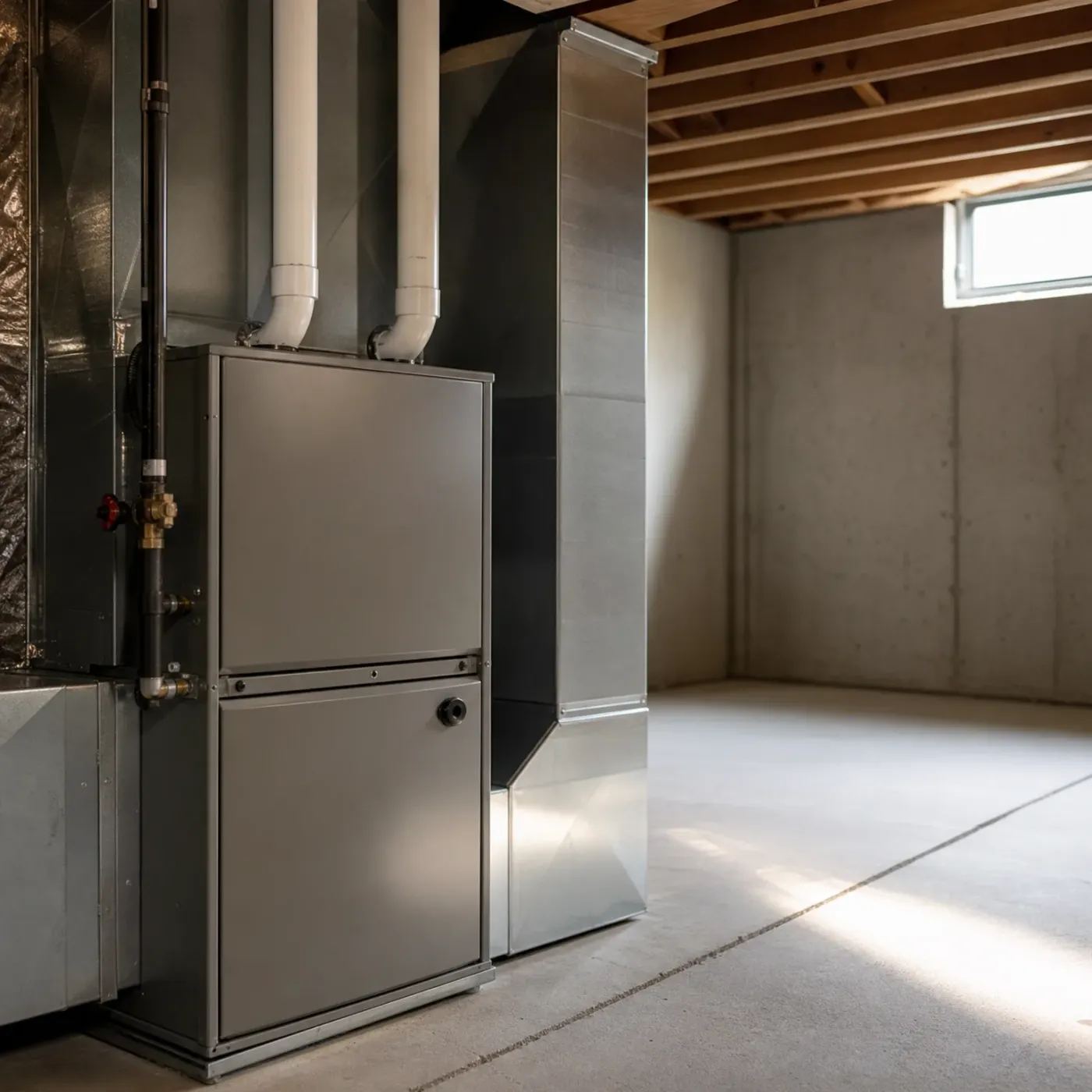
A dim unfinished basement with concrete walls, exposed floor joists, a small window, and a furnace connected to metal ductwork and PVC venting.

You're down in the basement around six, after dark, and it's gone quiet again. The furnace clicked off mid-cycle, same as it's been doing. Cold air is starting to settle in around your feet. A thin haze of dust still hangs in the light near the cabinet, stirred up by the blower before it shut down. You crouch by the access panel and put a hand near the vent, waiting to feel it kick back on. Upstairs the thermostat still reads five degrees short of where you set it. November in Missouri doesn't forgive a furnace that won't stay running, and standing here in the cold, you're done waiting it out.

Is your house heating unevenly room to room

Walk through your house right now and you'll likely feel it before you think about it. The living room's warm but the bedrooms down the hall are cold, or the thermostat room is comfortable while every other room has a chill to it. Your energy bill has crept up even though you haven't changed the thermostat setting, because a furnace that short cycles burns gas starting up again and again without ever running long enough to heat efficiently. Listen for the pattern: on, a few minutes of air, off, quiet, then on again not long after. If this keeps going through the Missouri winter, that heat exchanger is taking stress it wasn't built to take every few minutes of every day.

  1. Thermostat calls for heat and signals the control board.

  2. Inducer motor starts and purges the heat exchanger.

  3. Igniter heats up or the pilot lights the burners.

  4. Flame sensor confirms burners are lit within seconds.

A gray high-efficiency furnace with white PVC vent pipes stands on a concrete pad in a basement, beside sheet-metal ductwork, copper piping and a poured concrete wall with wood framing at left.
A furnace like this cycles the way it was designed to, firing, running a full heat cycle, and shutting off clean once the thermostat is satisfied.
A beige gas furnace in a basement with a metal flue pipe, galvanized sheet-metal ductwork to its left, and gas and water pipes along the concrete wall to its right.
A furnace this old is more likely to short cycle as its heat exchanger, flue, or pressure switch wear past where a repair holds for long.
A woman with shoulder-length brown hair wearing a beige knit cardigan sits in a gray upholstered armchair near a window, looking off to the side with a slight smile, with bookshelves blurred in the background.
A woman and a child wrapped together in a knitted gray blanket on a couch, with the child's head resting on her shoulder and a lit table lamp and houseplant in the background.

No phone calls to make

Your request stays with one local pro.

You only hire the pro if you want to.

What the high limit switch does

The high limit switch is a safety part mounted near the heat exchanger. It reads the air temperature inside the cabinet, and if that air gets hotter than the furnace is built to allow, the switch shuts the burners off before anything cracks or scorches. It doesn't care why the air is too hot, only that it is. A blocked filter, a closed vent, or a blower motor running slow all raise that temperature the same way. The switch itself is rarely what's broken. It's doing its job. The cause is somewhere upstream of it.
Why the flame sensor matters

The flame sensor is a thin metal rod that sits in the burner flame and confirms to the control board that the gas actually lit. If it doesn't sense a flame within a few seconds, the board shuts the gas valve as a safety measure, whether or not the burners are really burning. A sensor coated with a layer of carbon can read a strong flame as no flame at all. That single thin rod can be the difference between a furnace that runs a full cycle and one that fires, catches, and quits over and over.

Winter nights average 25°F statewide

On a 25°F night your furnace has to run long enough to push that cold back before it can rest. A unit short cycling on nights like that is shutting off before it's actually caught up, which means the house loses ground every time it clicks off early.

NOAA nClimDiv 1991-2020 county normals weighted by homes

One Part, One Fix, One Call

  • Short cycling almost always traces back to one part: a failing high limit switch, a cracked heat exchanger, a weak flame sensor, or a blocked vent.
  • Guessing which one it is from the basement doesn't fix it, and running it too long on a bad limit switch risks the heat exchanger underneath.
  • A furnace tech who works on these units every winter in Missouri has already seen this exact pattern more times than you have.
  • One licensed, local contractor takes the call, not a handful of companies competing for it, so you explain the problem once.
  • That same contractor knows what tends to fail first on a furnace your unit's age and can check it in the order that makes sense.
  • Once you know which part is behind it, the fix is straightforward for someone who does this work regularly.

Short cycling has a cause. It's the high limit switch tripping early, a flame sensor too weak to hold the burners lit, a cracked heat exchanger, or a vent that's choked somewhere between the furnace and the register. From the basement, with the furnace clicking on and off, there's no way to tell which one it is, and running a furnace that's shutting off on its limit switch for much longer risks the heat exchanger it's built to protect. That part gets checked, not guessed at.

A contractor who works on furnaces all winter in Missouri has seen this pattern before, probably more times this season than you'd think. Given your furnace's age and what's actually happening, a few things are the likely cause, and checking them in that order is faster than working through every part the furnace has.

You get matched with one licensed, local contractor, not a batch of companies calling you back at once. You explain what the furnace is doing one time, to the person who's going to look at it, not to a dispatcher and then again to whoever shows up. They already know what tends to go first on a unit like yours, and they check it in the order that actually makes sense instead of swapping parts to see what sticks.

The furnace clicking off early isn't random. It's one part telling the system something's wrong, and once that part's identified, fixing it is routine work for someone who does it every day.

A gray furnace with PVC vent pipes and sheet-metal ductwork stands against a wall in an unfinished basement with concrete floor and walls, exposed wood joists, and a small window.

One form, no calling around

Get one local pro

Your request goes to one pro, not a list of companies.

Asking costs nothing, and the choice to hire stays yours.