
Two systems a year
Your heat pump switches between heating and cooling as Cass County goes from summer heat to winter cold, and that back and forth adds wear a furnace-only setup never sees.
A heat pump that suddenly starts banging, buzzing or rattling gets attention fast, especially when it runs as hard as it does through a Cass County summer and winter both. You want to know if this is something that can wait or something that needs a hand on it now, and what part is likely behind the sound before anyone shows up.
A loud bang when the unit kicks on or off is usually the ductwork expanding or a reversing valve shifting. A buzzing sound often means a loose panel or an electrical connection working its way loose. Grinding or screeching points to the outdoor fan motor bearings wearing out. Rattling can be a stick or debris caught in the outdoor cabinet, or screws that have backed out over time. Your heat pump runs almost year round here, cooling through the muggy summer and heating through the cold winter, so the parts inside get more cycles than they would somewhere milder. That wear adds up, and a noise that starts small tends to get louder, not quieter, the longer it runs.
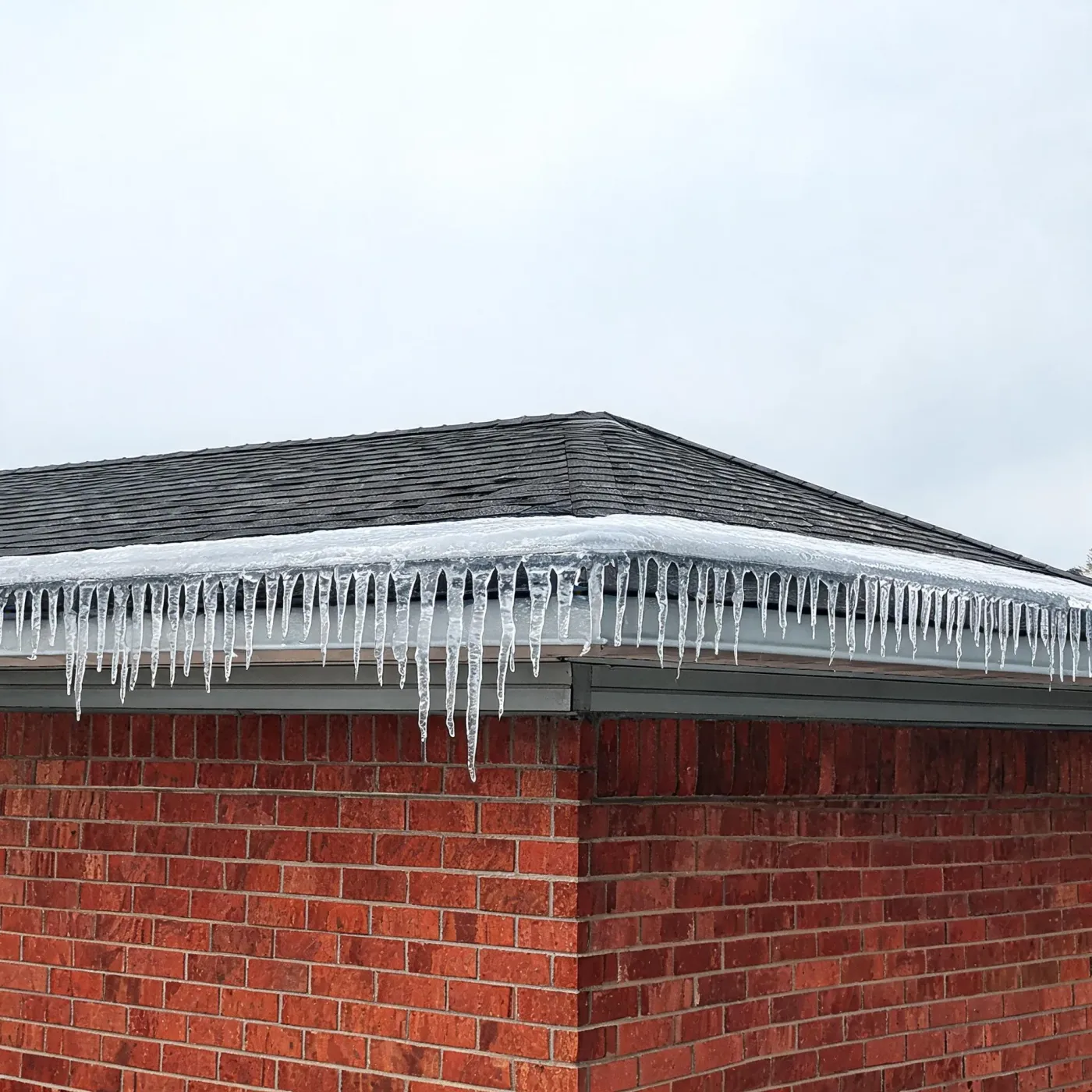
Winter nights around Raymore average 24°F, according to NOAA climate data for Cass County. That's cold enough that your heat pump is working hard most of the night to keep up, and a system under that kind of load tends to show problems it could hide the rest of the year. A loose panel or a worn fan bearing often stays quiet in mild weather, then rattles or buzzes once the unit has to run long stretches without a break. If the noise seems to show up or get worse on the coldest nights, that's not a coincidence. It's the system telling you something it couldn't say in October.
NOAA nClimDiv 1991-2020


Most of these noises point to something specific, not just "the unit is old." A bang on startup usually means the compressor itself has come loose from its mounts and is shifting when it kicks on. A squeal is almost always a bearing in the fan motor wearing down, the same way a car belt starts to whine before it fails. Wind-driven rattling is often nothing more than a loose screw or panel on the cabinet, cheap to fix and not a sign of anything failing inside. Grinding means contact, something is hitting a blade or housing that shouldn't be touching it at all. Buzzing tied to the compressor cycling on and off can mean the capacitor is weakening and struggling to get the motor started each time. A loose part clanking around inside the cabinet as the fan spins can do real damage to the blades if it runs that way for long. None of these get quieter on their own. The sound usually tells a technician roughly where to look before the panel ever comes off.




Your heat pump switches between heating and cooling as Cass County goes from summer heat to winter cold, and that back and forth adds wear a furnace-only setup never sees.
Unlike a central AC that sits idle all winter, your heat pump's outdoor unit keeps working through the cold, so a loose part or worn bearing gets no break to reveal itself slowly.
A loud heat pump doesn't stay a noise problem for long. If it's banging or rattling near the bedrooms, it's probably loud enough to hear through the walls at night. If it's squealing or grinding, the unit outside may be working harder than it should to move the same amount of air, which shows up on your electric bill even with Cass County's cheap power. Left alone, a loose part or worn bearing tends to get worse, not better, and can turn a repair into a bigger one, including damage to the compressor itself. If the noise started suddenly and keeps happening every cycle, that's usually the sign something inside the unit has already shifted or worn down.


Explain the job once and skip repeating it on every call.
No fee to send it, and nothing to sign.
Most of these noises trace back to something loose, iced over, or wearing out, not a failing compressor. A panel screw that's backed out over time will rattle against the cabinet every time the wind picks up, and it's an easy thing to miss because it only happens under certain conditions. Ice is a bigger problem. When the outdoor coil frosts over, the fan has to push air through a restriction it wasn't built for, and that shows up as a buzz or hum that keeps climbing. If ice reaches the fan blade itself, or if the fan cage has taken a hit from a fallen branch or just years of weather, you get a metallic scraping that's hard to miss. Some sounds build slowly instead of starting loud. Compressor mounts wear down gradually, and a soft hum can turn into something much louder over a few weeks without the compressor ever being the problem. Refrigerant lines are supposed to be clipped down so they don't move, but a clip that's slipped or was never quite tight lets the line vibrate against the cabinet or the siding, which reads as a knock from inside the house. The one sound that matters most is a loud pop followed by nothing. That's consistent with a failed capacitor, and it means the unit has likely stopped running, not just gotten louder.
Winter nights average 24°F
Heat runs October through April here, so a noisy heat pump isn't a short-term annoyance. It's running most of the year.
Heat runs October through April
Cooling runs May through September, the other stretch where that same unit is working and that same noise is there.
Cooling runs May through September
Add it up and there's barely a month where your heat pump sits idle long enough for a loud noise to go unnoticed.
NOAA nClimDiv 1991-2020
You could wait, especially if the sound is faint or only shows up now and then. Some noises hold steady for weeks before anything fails. But a loose part inside the outdoor unit doesn't tighten itself, and a fan motor losing its bearings doesn't recover. Each cycle the noise runs is another cycle that bolt works looser or that bearing wears thinner. By the time the heat pump won't start at all, whatever was rattling has usually had plenty of time to damage something next to it. Waiting costs you nothing right up until the morning it does.
A contractor can open the outdoor unit, find the source, and tell you whether it's a loose bolt, a worn bearing, or something else entirely. Most of what causes these noises is straightforward once someone has eyes on it. You stop guessing whether that sound is normal or not, and you stop running the system wondering if tonight is when it quits. Once you send the form, you're not the one calling around Cass County trying to find someone with an opening. That part is off your plate.


A loud heat pump is telling you something specific. A bang at startup points to a loose bolt. A squeal points to a fan motor bearing. A grinding sound points to something rubbing where it shouldn't. None of those get quieter on their own, and this unit still has most of a Cass County year of running left in it, through the cold nights and the sticky months both. Once you've made the call to get it looked at, you're left with the part nobody enjoys: finding a contractor, calling a few, explaining the noise and when it started over and over, then sitting with quotes trying to guess who's right. Sending this page's form instead hands that search off to someone else, and the only thing left on your side is answering the door.





Skip searching for a heat pump pro and answer a few questions instead.
Sending the form costs nothing.
