Your new furnace project goes to an installer who works in Cape Girardeau County.
A furnace in Cape Girardeau usually runs 15 to 20 years before it needs to be replaced rather than repaired. Most homes in the county heat with electricity, and electric furnaces tend to hold up well through the cold stretch of winter here, but the heat exchanger and blower motor still wear down with age like anything else that runs hard every January and February.
Where yours falls in that range depends on things you can actually check. If it came with the house, find out when the house was built or ask the previous owner. If it's been serviced every year, that adds time. If it's been ignored, or if you've had more than one repair in the past couple of winters, it's probably closer to the end than the beginning.
A furnace that's 15 years old and still running fine doesn't need to be replaced on a schedule. But once it starts needing parts, or your electric bill climbs for no reason you can point to, it's worth having someone look at the whole system rather than just the one thing that broke.
That's a judgment call that's easier to make with someone who's actually looked at your furnace. Submit a request and you'll be connected with one licensed contractor local to Cape Girardeau County, not a handful of companies competing for your callback. Someone who works on furnaces through the same winters you do, who's seen what tends to fail in homes like yours and at what age, can tell you whether what you have is worth fixing again or worth replacing. They'll reach out to go over your specific situation, no obligation attached to the call itself.
A furnace in Cape Girardeau usually lasts 15 to 20 years. Most homes in the county heat with electricity, and electric furnaces run simpler than gas ones. There is no burner, no igniter, no flue to maintain, just heating elements warming the air a blower pushes through your ducts. That simplicity is why they tend to hold up well through a Cape Girardeau winter. What wears them out is the blower motor and the heating elements themselves, cycling on through months of cold. Past 15 years, a furnace that still runs may be costing you more to run than it used to, and parts for an older unit get harder to find. If yours is getting up there in age, or if your house came with it and you've never had reason to check, that is worth knowing before the next cold stretch, not during it.
What does winter in Cape Girardeau actually ask of your furnace?
Winter nights average 27°F
Nights averaging 27°F mean the furnace runs long stretches to keep up, not quick bursts, and that steady load is what wears parts down over the years.
Heat runs October through April
Seven months of heat a year adds up to more total run time than most of the country asks of a furnace, which shortens the years it has left.
47.9% of homes heat with electricity
Electric furnaces, used in most homes here, have fewer parts to fail than gas ones, which helps offset how long and how often yours has to run.
NOAA nClimDiv 1991-2020 · ACS 2020-2024
A furnace that gets yearly service
A contractor who checks the heating elements, the blower motor and the electrical connections once a year catches a cracked element or a failing relay before it strands you on a cold night. Dust cleared off the elements lets them heat evenly instead of working harder in spots. A furnace that gets this kind of attention tends to reach the far end of that 15 to 20 year range, sometimes past it, because nothing was left to wear on its own.
A furnace left to run on its own
Skip the yearly check and the furnace still runs, until a relay sticks or an element cracks partway through a cold stretch. Nobody caught it because nobody looked. Dust builds up on the elements and the blower works harder to push the same air through. That furnace is more likely to need replacing closer to year 15, and the failure usually shows up on one of the colder nights, not a mild one.
What an aging furnace looks like in your house
A furnace that's getting old doesn't quit all at once. You'll notice a bedroom that stays cooler than the rest of the house, or a thermostat that reads 68 while the room feels like 64. The blower might run longer than it used to just to hold that temperature, and your electric bill climbs along with it. None of that means the furnace is finished, but it means the heating elements aren't putting out what they once did, and that decline usually keeps going once it starts.
If your furnace came with the house and you don't know its age, a local contractor can tell you from the data plate and from how it's running whether you're looking at a repair or the start of planning a replacement. That's worth knowing before a hard freeze, not during one. A contractor who works on furnaces around Cape Girardeau every winter has seen what a 16 or 18 year old unit looks like here and can tell you honestly which side of that line yours is on.
Running the way it should
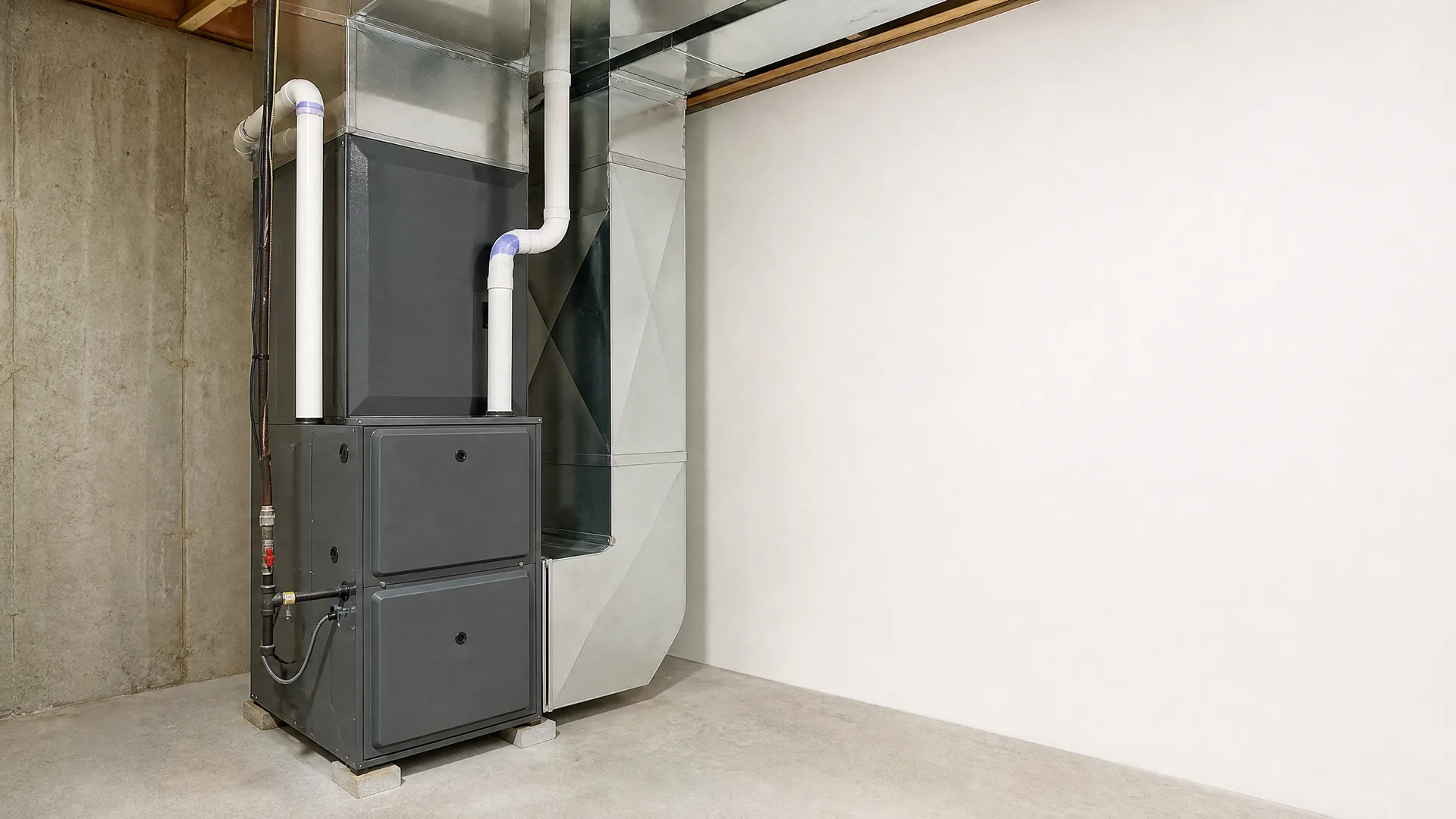
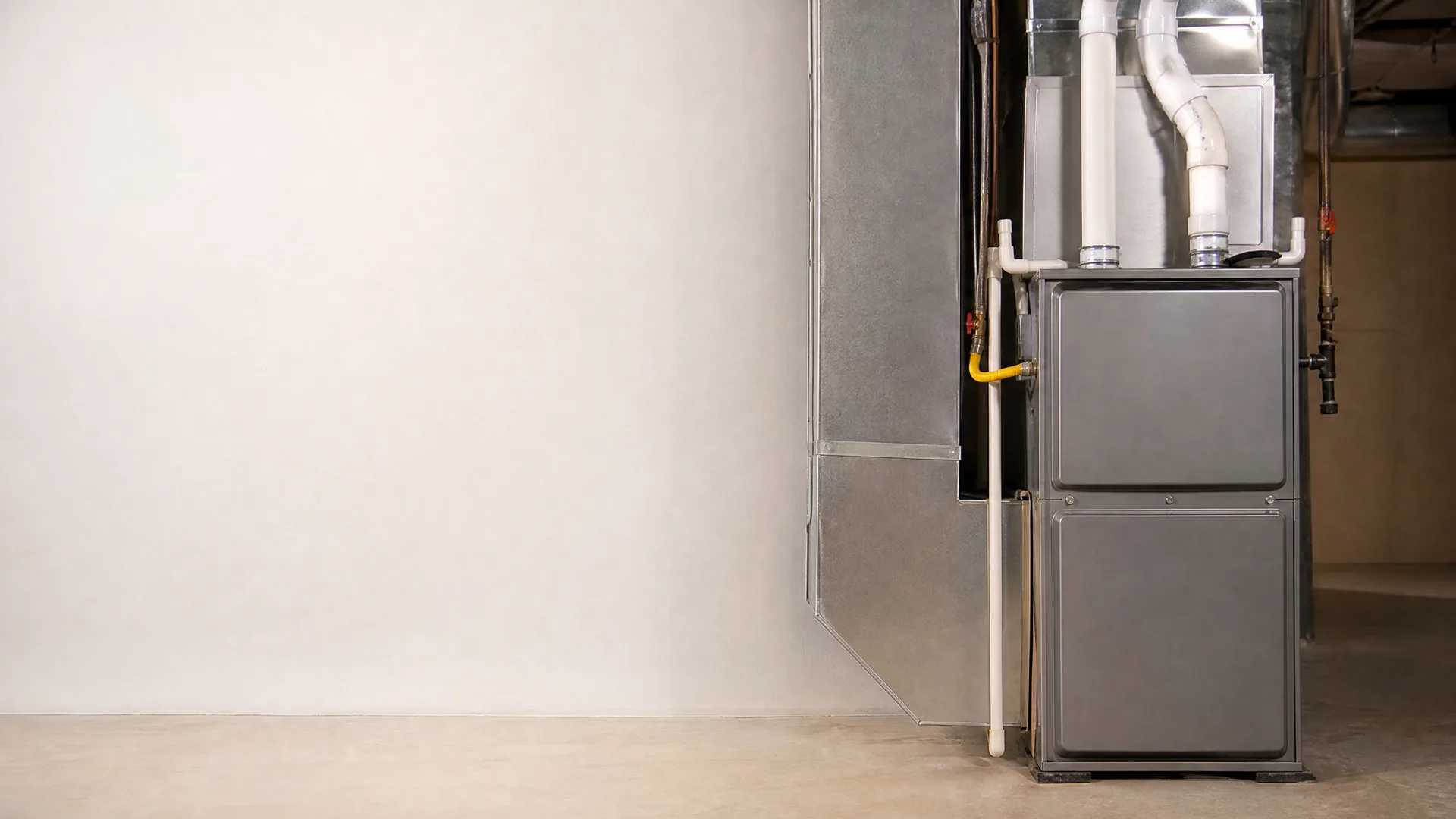
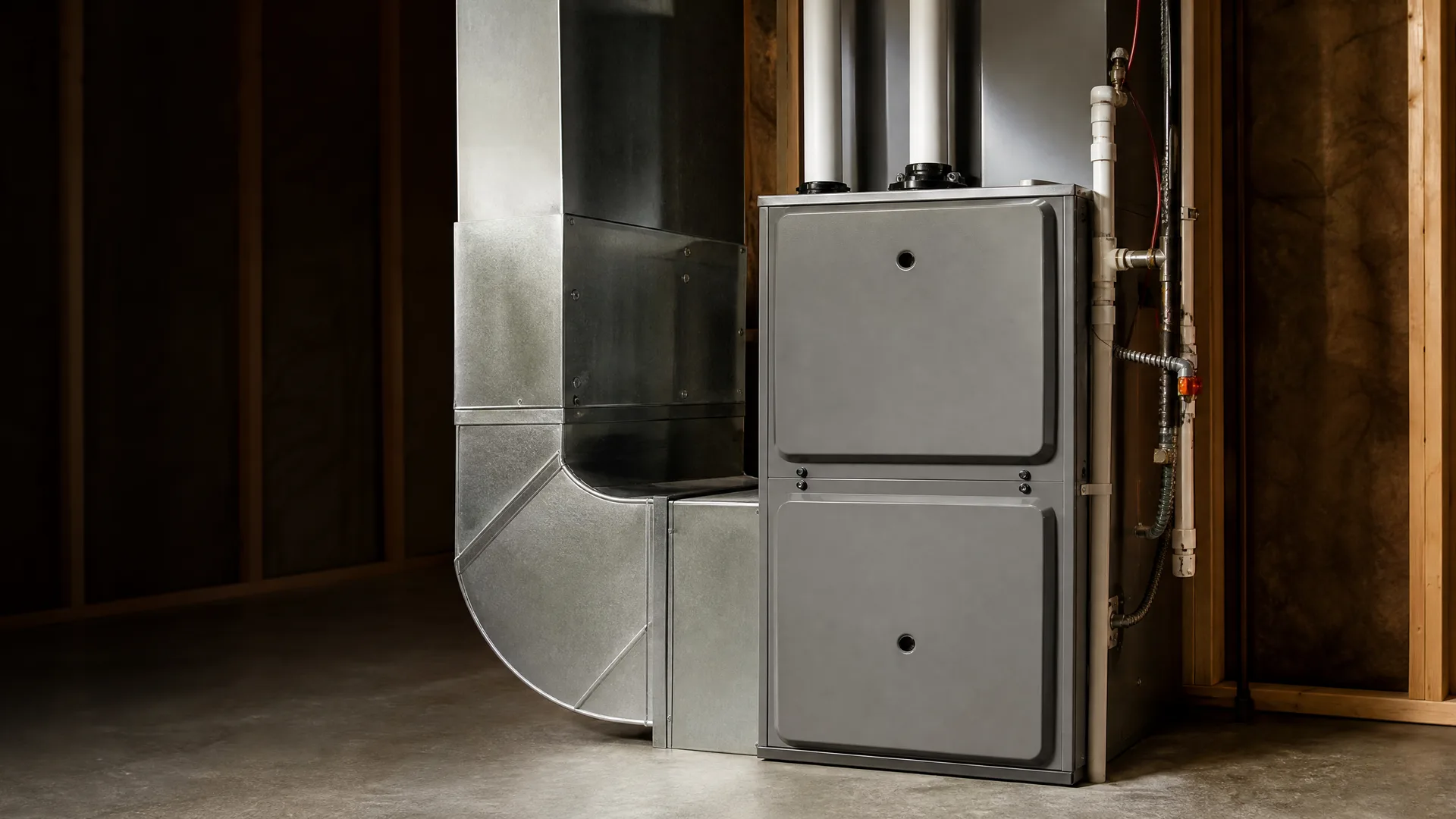
A furnace that's holding up shows no sign of it from the basement. The panels sit flush, the gas line and PVC drain run clean along the wall, and the blower pushes warm air through the ductwork without strain. Nothing here needs attention yet.
Signs of age setting in
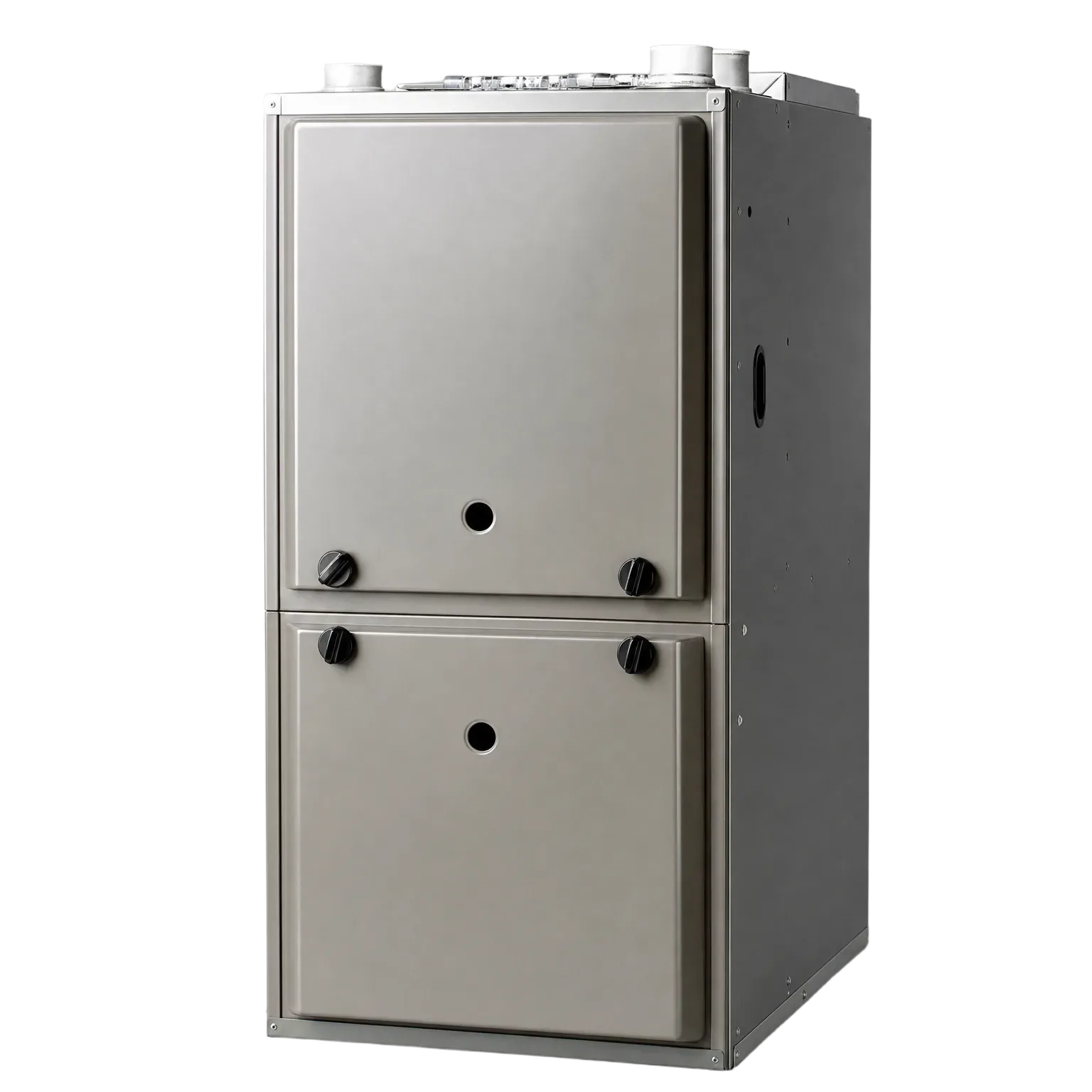
The panels are the same, but age shows in what you can't see from across the room. A heating element cracks, a connection loosens behind the quarter-turn fasteners, and the furnace works harder to do what it used to do without effort. This is where a yearly check earns its keep.
Get matched with a furnace pro in Cape Girardeau County
A licensed installer who works in Cape Girardeau County gets your project.
You only hire the pro if you want to.
Why electric furnaces hold up
An electric furnace heats with a set of coiled elements, and a relay switches each one on as the thermostat calls for heat. There's no flame, so nothing to ignite and nothing burning fuel that can crack a heat exchanger. The parts most likely to wear are the elements themselves and the blower motor that pushes air across them. Both are simple to check and simple to replace on their own, which is part of why these furnaces often reach the far end of that 15 to 20 year range instead of the near end. Nothing about the coils demands the yearly combustion checks a gas furnace needs.
What shortens that lifespan
A furnace that runs constantly during the cold months works its blower motor and elements harder than one that cycles on and off in milder weather. Dust buildup on the elements makes them work harder to put out the same heat, and a blower motor straining against a dirty filter wears faster than one moving clean air. Electrical connections loosen with the constant expansion and contraction of heating and cooling. None of that shows up as a single dramatic failure. It shows up as a furnace that needs more repairs starting around year twelve or thirteen, which is usually the point where a contractor can tell you whether another repair makes sense or replacement does.
Before you get your furnace installationAfter you get your furnace installation
15 to 20 years
Most electric furnaces in Cape Girardeau reach this age before they need more than a repair. Yearly service keeps you on that end of the range.
At 27°F, your furnace isn't cycling off much on a January night. It holds a steady call for heat for hours, and the elements and blower stay under that load the whole time. That's the stretch that ages a furnace, more than any single cold snap.
NOAA nClimDiv 1991-2020
Where your furnace stands now
A furnace in Cape Girardeau holds up for 15 to 20 years with the yearly service that catches small problems early.
The long, steady heat calls that 27°F nights demand are what wear a furnace down, not any one cold snap.
A cooler bedroom, a thermostat that reads warmer than the room feels, or a blower running longer than usual are the first signs of age.
A local contractor who services this equipment every winter knows which elements and relays tend to fail first in this area.
Matching with one licensed local contractor means a single point of contact, not a round of calls from different companies.
Whether your furnace needs a repair or a full installation, knowing where it stands now tells you what to plan for next.
Fifteen to twenty years is the span to expect from a furnace here, and the number is useful because it tells you whether you're planning ahead or planning now. Age alone isn't the whole picture. A furnace coming up on fifteen years that's been serviced every winter can still have good years left. One in the same age range that hasn't seen a contractor since it was installed is a different story, especially after a few winters of nights sitting at 27°F.
The signs worth watching are the ones already covered: a bedroom that won't hold heat, a thermostat reading that doesn't match how the room feels, a blower that runs longer than it used to. None of them mean the furnace is done. They mean it's worth having someone look at it before a January night makes the decision for you.
That's where a local contractor matters more than it sounds like it should. Someone who works on electric furnaces in Cape Girardeau every winter has seen which elements and relays tend to go first in homes here, and can tell you quickly whether you're looking at a repair or a replacement. When you're matched, it's with one contractor, not a handful calling you back at once. Whether the answer turns out to be a fix or a new install, you'll know what you're dealing with and what comes next.