





Why your furnace is leaking water in Missouri

Tell a local repair pro what your furnace is doing.

Get a furnace pro

A furnace that's leaking water is almost always a high-efficiency condensing furnace, and the water is condensate, the byproduct of burning gas that's supposed to drain out through a PVC line. If that line is clogged, cracked, or sloped wrong, the water backs up and finds its way out of the unit instead. A clogged drain line or a failed condensate pump are the usual culprits. Sometimes the problem is the secondary heat exchanger itself, cracked and letting condensate pool where it shouldn't. It can also be frozen or disconnected tubing, especially if the furnace sits in an unheated space. Whatever the cause, water near a gas furnace isn't something to leave alone. It can trip the furnace's own safety switch and shut the system down, or it can damage the cabinet, the control board, or the floor underneath it. A furnace that keeps shutting off or won't start at all, with water around the base, needs a look before the next cold snap.

A woman in a cream cowl-neck sweater sits by a window with snow outside, in a dimly lit living room with a sofa, lit lamp, mirror, candles and a fireplace.
A woman in a gray turtleneck sweater sits beside a large window looking out at snow-covered evergreen trees, in a dimly lit living room with a lit fireplace, lamps, couch and houseplant.
A woman in a cream turtleneck sweater stands beside a large window with snow-covered ground and bare trees outside, in a dimly lit living room with lamps, a sofa and framed art.
A woman in a grey cowl-neck sweater stands indoors near a window, looking out at falling snow, with a lamp, framed picture and couch in the warmly lit room behind her.

Why does my furnace only leak water when it's really cold out?

You've noticed the leak only shows up during the coldest stretches of winter, not all the time. That makes it feel less urgent, but it's worth understanding why cold snaps bring it on, especially with how low temperatures get in Missouri some nights.

Cold snaps freeze the condensate line or push the furnace to run longer, both of which cause backups

Two things happen when it's really cold. First, if any part of the condensate drain line runs through an unheated space, like a garage or near an exterior wall, the water inside it can freeze and block the line completely. Second, a furnace running nonstop on the coldest nights produces condensate faster and more often, so a drain line that was barely managing before starts backing up. Either way, the water has to go somewhere, and it ends up pooling at the base of the furnace. A line that drains fine in milder weather can still have a slow clog or a flat spot that only becomes a problem once the furnace is working harder.

A gray high-efficiency furnace with white PVC vent pipes stands in an unfinished basement beside sheet-metal ductwork, gas piping, and insulated stud walls on a concrete floor.

The drain is doing its job

A high-efficiency furnace makes condensate every time it runs, and that PVC line carries it away on its own. You won't see water on the floor or hear it dripping anywhere near the cabinet. The gas line and ducts stay dry, and the furnace just keeps heating.


A beige sheet-metal furnace with a louvered upper panel stands on a concrete basement floor, connected to galvanized ductwork, white PVC vent pipes, and a metal gas line with an electrical box.

Water is finding its own way out

Once the condensate line clogs or the trap backs up, the water has to go somewhere, and it ends up pooling under the cabinet or running down the side. On a mid-efficiency furnace like this one, standing water near the flue pipe or the gas line isn't normal and shouldn't be ignored.

An older gas furnace with louvered panels sits on a concrete pad in a basement, connected to sheet-metal ductwork and PVC and metal pipes, with a water heater and wooden stair framing in the background.
Before you get your furnace repair
A gray high-efficiency furnace with white PVC vent pipes stands beside galvanized sheet-metal ductwork in a basement with a concrete floor, with a wooden staircase and railing at left.
After you get your furnace repair

A furnace doesn't leak and keep running like nothing happened. Most high-efficiency units are built to shut down when the condensate backs up far enough to trip the pressure switch, so what started as a drip under the cabinet ends with no heat at all on a night you need it. The water itself doesn't stay put either. It finds the lowest point in the cabinet, and depending on where your gas line or electrical connections sit, that's not somewhere you want standing water. Left alone on a concrete floor or wood subfloor, condensate's mild acidity will eventually stain or wear at the surface it's sitting on. None of this requires a dramatic failure. A clogged or misrouted drain line is usually enough on its own to lock the furnace into a fault code, and the longer that blockage sits, the further back into the furnace it tends to push. What looks like a small drip in December can turn into a bigger repair by February if nobody's looked at the line yet.

What a leak really puts at risk

  • A furnace left to leak can shut itself off mid-cycle on the coldest night of the year, leaving you without heat until someone looks at it.
  • Water pooling near the cabinet can reach the gas line or electrical connections, which is a safety concern beyond just the mess.
  • Condensate is mildly acidic, and left sitting on a concrete floor or wood subfloor long enough, it can stain or damage what it touches.
  • A clogged drain line often means the pressure switch or control board trips a fault code, so the furnace locks out instead of just leaking.
  • Ignoring a small drip through a Missouri winter risks a bigger repair once the blockage backs up further into the furnace itself.
  • Instead of searching for a contractor, calling around, and explaining the same leak to three different people, you get matched with someone who already knows what you're dealing with.
A bearded man in a plaid flannel shirt stands indoors looking out a frost-covered window, with a steaming dark blue mug on the wooden sill and snow-covered trees outside.
A man in a blue T-shirt sits on a light gray sofa, laughing while looking at an open laptop in the foreground, with a framed picture, lamp and potted plant behind him.
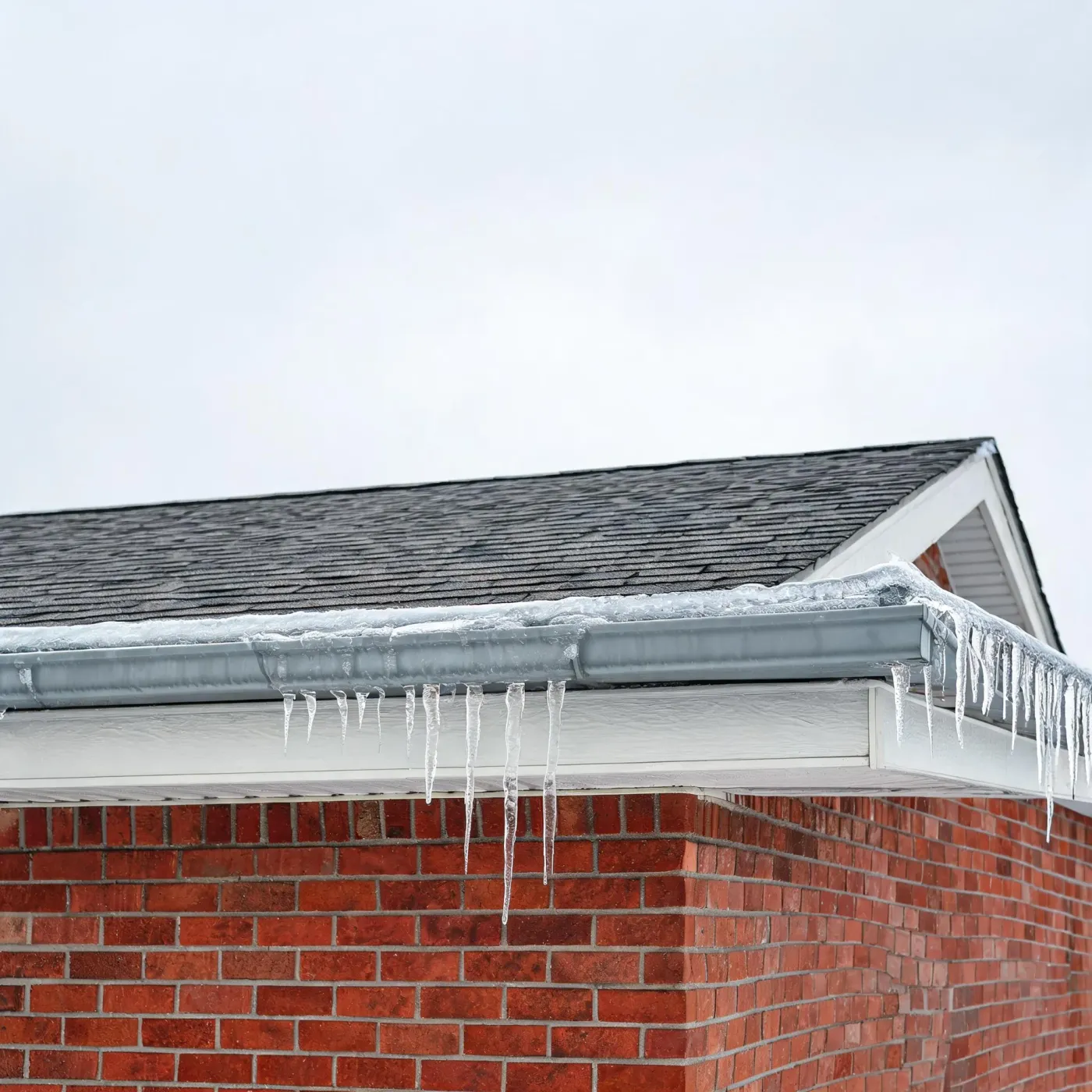
Corner of a brick house with asphalt shingle roof, white soffit and gray gutter, with icicles hanging from the gutter against an overcast sky.

Statewide, winter nights average 25°F, according to NOAA climate data, and that's the range where a gas furnace runs longest and makes the most condensate. Every cycle sends more water down that PVC line, and a line that's slightly clogged or sloped wrong has less room for error when it's working overtime. That's often why the drip under your furnace seems to track with the cold snaps. Once it starts, it's not something to watch for a few days and see if it clears up on its own, since a blocked line only gets worse the more the furnace runs. Instead of calling around to find someone who works on furnaces and explaining the leak from scratch to each one, you can get matched with a contractor near you who handles this kind of repair and have them reach out to you directly.

NOAA nClimDiv 1991-2020 county normals weighted by homes

A furnace pro near you

A leaking furnace is not something to watch for a few days to see if it clears up. On a cold night in Missouri that drain line is working hard, cycle after cycle, and a small clog only gets worse. You could spend an evening searching for someone local who works on gas furnaces, call two or three numbers, explain the same thing each time, then sit with quotes trying to guess who actually knows condensing furnaces versus who just does duct work. That's hours you don't have back, and the leak doesn't wait for you to finish comparing. Handing the request off once means you stop chasing it yourself. The water near your cabinet, the drain line, the slope of that PVC pipe, all of it needs eyes on it before the next cold snap makes it worse. Getting matched with someone who takes the call from here is what moves this off your plate tonight.

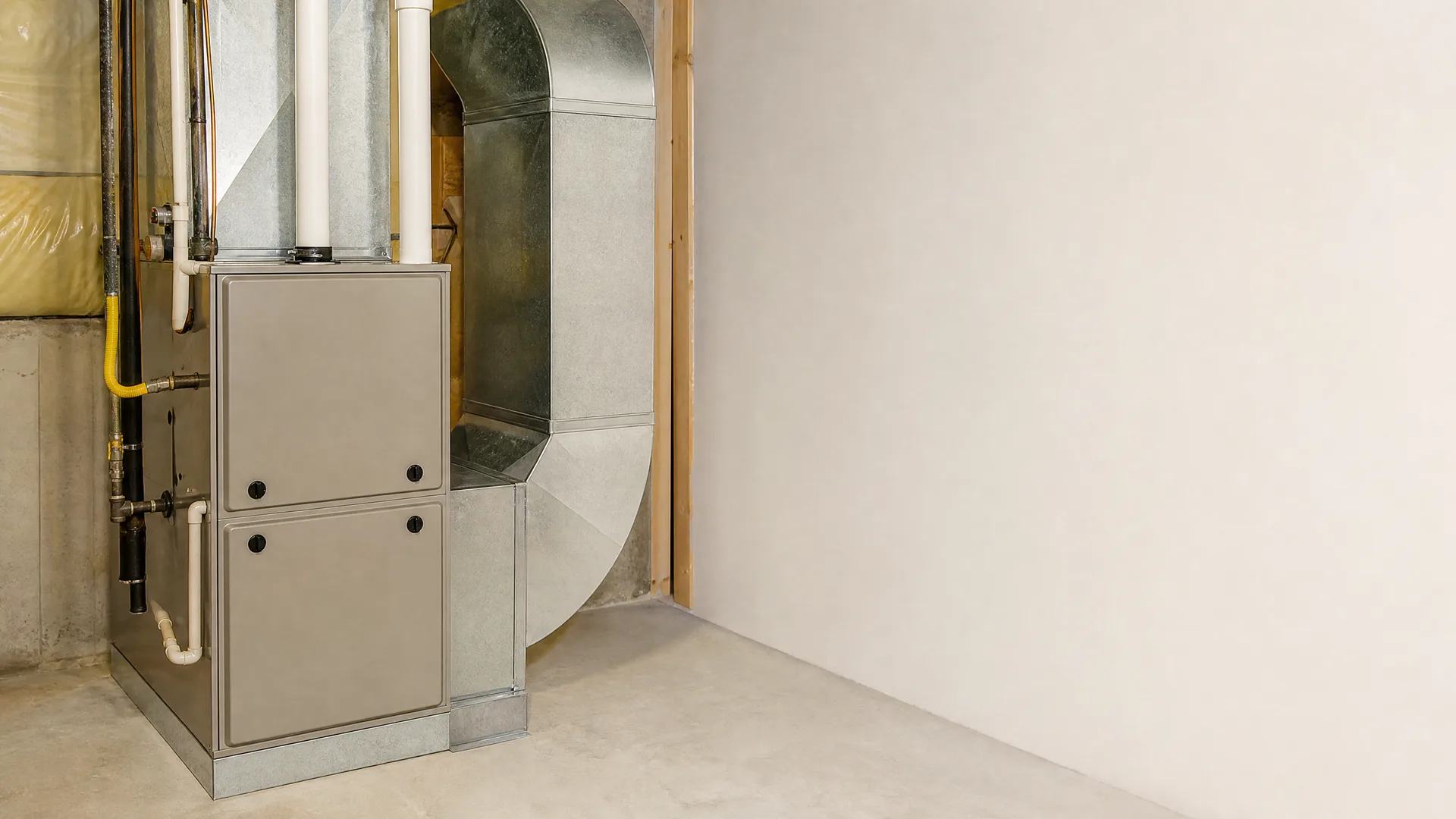
A gas furnace with sheet-metal ductwork, PVC vent pipes and copper and black piping stands against a wall in a basement with a bare light-colored wall and concrete floor.

The neutralizer can fail too

Some furnaces route condensate through a neutralizer cartridge before it reaches the drain, since the water is mildly acidic from the exhaust gases. If that cartridge gets packed with sediment or sits the wrong way, it backs up the whole line the same as a clog downstream would. It's a smaller part and easy to miss during a quick look, but it sits right in the path the water has to take.

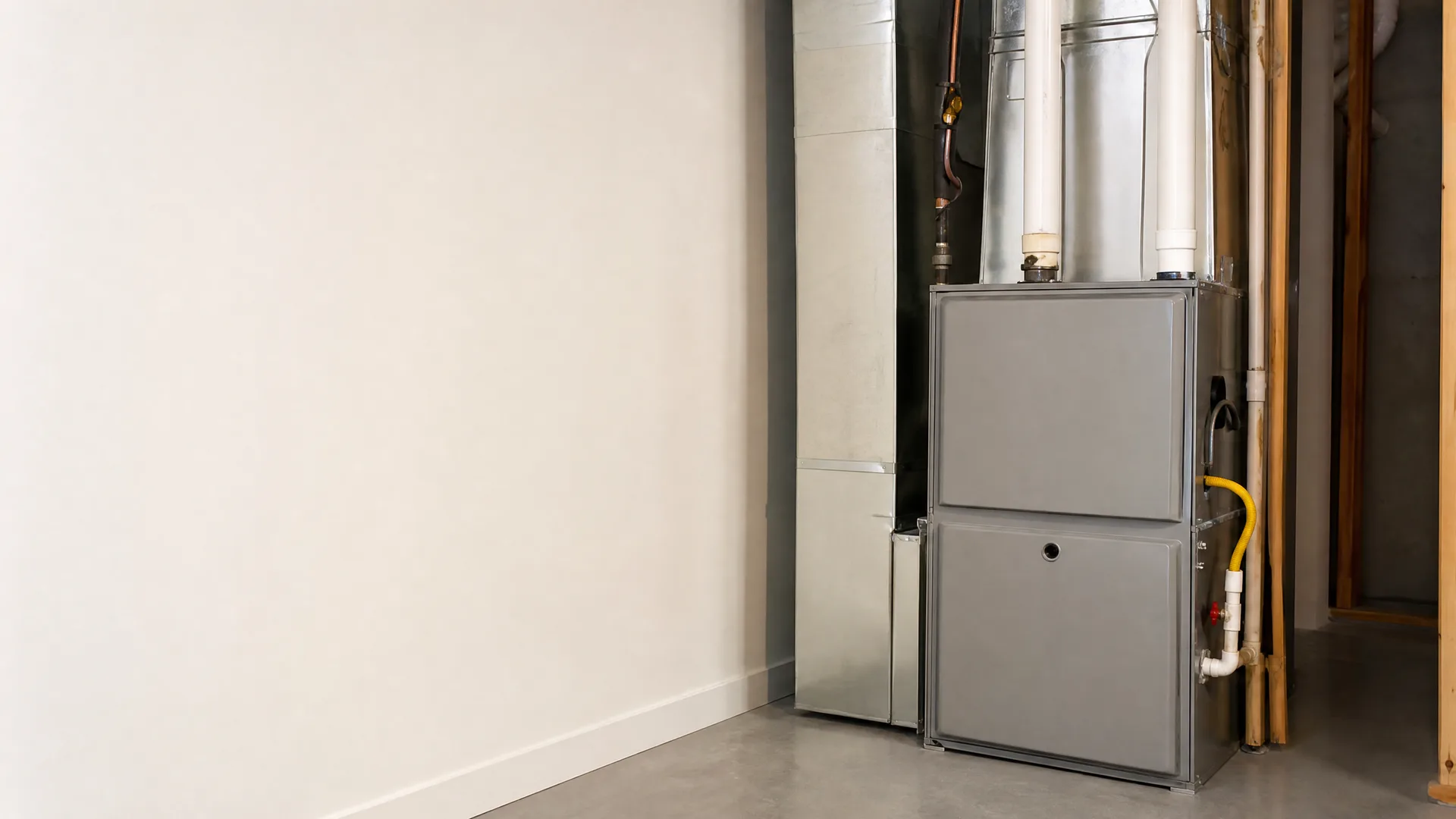
A gray furnace with attached sheet-metal ductwork, white PVC vent pipes, copper and yellow gas lines stands against a wall in a room with a plain white wall and concrete floor.

The inducer and the trap matter

Condensate first collects in a trap near the inducer motor before it ever reaches the PVC line outside. That trap holds a small amount of water on purpose, to keep exhaust gas from coming back up through the drain. If the trap cracks or sits unlevel, water finds the nearest low point instead, which is often the floor of the cabinet rather than the drain opening it was built to reach.

Clear It Yourself or Call for Repair

Clear it yourself

  • A wet-dry vacuum at the outdoor end of the PVC line can pull out a soft clog of algae or sludge in a few minutes.
  • Checking that the line has a steady downward slope toward the drain tells you whether gravity is working against it.
  • Looking at the condensate trap for standing water shows whether the blockage is close to the furnace or further down the line.
  • Wiping up what's already pooled near the cabinet keeps it away from the gas line and any electrical connections while you work.
  • This only addresses a simple clog, and it won't fix a cracked line, a bad slope, or a failed neutralizer cartridge.

Have it repaired

  • A contractor can trace the line from the furnace to wherever it drains and find a crack or bad slope you can't see from either end.
  • Furnace repair includes checking the condensate trap, the drain line, and the neutralizer cartridge if the furnace has one.
  • A technician can tell you whether the shutoff you're seeing is the furnace protecting itself from a clogged line or something else entirely.
  • This skips the work of calling around Missouri for someone who services condensing furnaces and explaining the leak more than once.
  • Instead of guessing at the slope or the clog location, a contractor who's matched to your furnace checks the whole line at once.
  1. Burning gas creates exhaust that cools as it moves through a second heat exchanger

  2. That cooling turns part of the exhaust into condensate water

  3. The water drips down into a drain trap below the exchanger

  4. The trap carries it into a PVC line that slopes away from the furnace

Winter nights average 25°F statewide

At 25°F, your furnace is running long cycles and making condensate the whole time. That's more water trying to clear the drain line on the nights you need heat the most, and the least room for a clog to go unnoticed.

NOAA nClimDiv 1991-2020 county normals weighted by homes

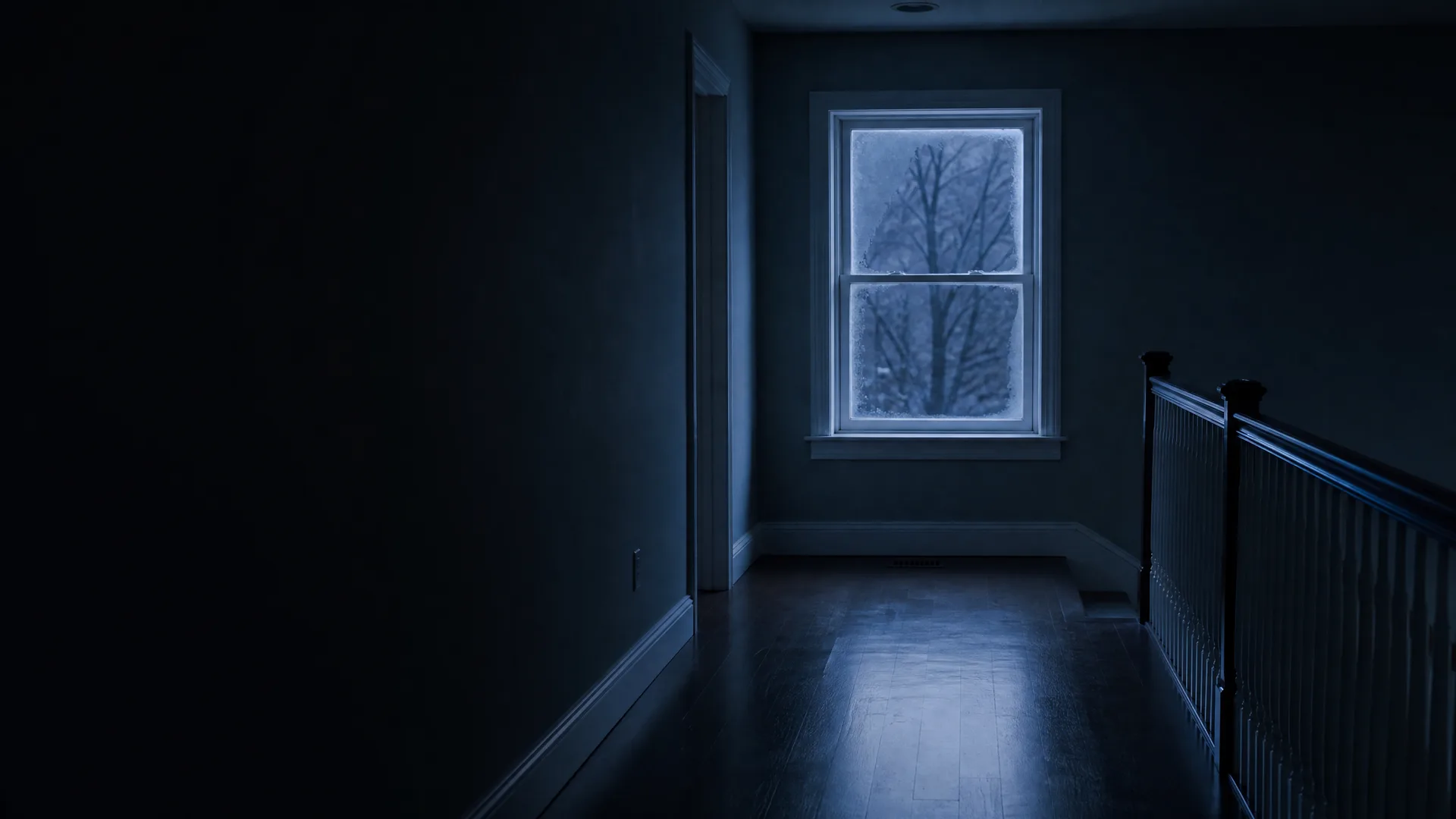
A dark interior hallway with a dark wood floor, a floor vent, a doorway on the left, and a stair railing on the right, lit only by a tall double-hung window showing bare tree branches outside.

It's two in the morning and the house is quiet except for the furnace running somewhere below you. You got up for water and stopped in the hallway upstairs. The vent under the window isn't putting out any air, and you can feel the cold coming off the glass before you even get close. Frost has crept in along the edges of the window frame. Outside it's deep into the 20s, the kind of night that keeps a furnace running long and steady. You stand there a second, waiting to feel warm air kick back on. It doesn't.

A woman stands in the open black front door of a white-sided house with a dark shingled roof while a man in a navy jacket approaches along the walkway, with lantern wall lights, a potted shrub, and flowering garden beds nearby.

Water under the furnace has a cause, and it's found, not guessed

A furnace leaking water is draining wrong somewhere between the heat exchanger and the PVC line outside. That's true whether it showed up tonight or only on the coldest nights this winter. The fix is mechanical: clear a clog, fix a slope, replace a cracked trap or a failed neutralizer cartridge. Someone has to look at the actual line to know which one it is.

Finding that someone is the part that takes the evening: searching for a furnace repair contractor in your area, calling a few, describing the leak over and over, waiting on quotes to compare. Answer a few questions about your furnace and what you're seeing, and a contractor who handles this work gets matched to your situation and reaches out to you directly. You skip the searching and go straight to someone looking at your drain line.

A dark ceramic mug on a round wooden table beside a light grey sofa with a woven cushion and knit throw, with a window, potted plant, floor lamp and wooden cabinet blurred in the background.
A dark gray high-efficiency furnace with two white vent pipes and connected sheet-metal ductwork stands in an unfinished basement with concrete walls, a support pole, and a small window.

A local pro for your furnace repair

RepairFurnace or heatingMissouri
Step 1 of 2

What ZIP code is the job in?