Furnace won't turn on in Kansas City, MO

RepairFurnace or heatingJackson County, MO
Step 1 of 2

What ZIP code is the job in?

A furnace that won't turn on in Jackson County usually comes down to power, gas, or the ignition system, since most homes here heat with gas. Check the thermostat first: dead batteries or a tripped breaker can stop the whole system cold. If the thermostat looks fine, the furnace may be getting power but failing to light. A dirty flame sensor will shut off the burner for safety even when the igniter glows. A failed igniter won't produce any flame at all. Some furnaces also need the condensate line clear, and a clog will lock out the burner until it's drained. On a cold morning this isn't something to leave alone. Once outside temperatures drop, a furnace that won't fire leaves a house cooling fast with no backup, and what looks like a simple reset can be a part that needs replacing by someone who knows these systems.

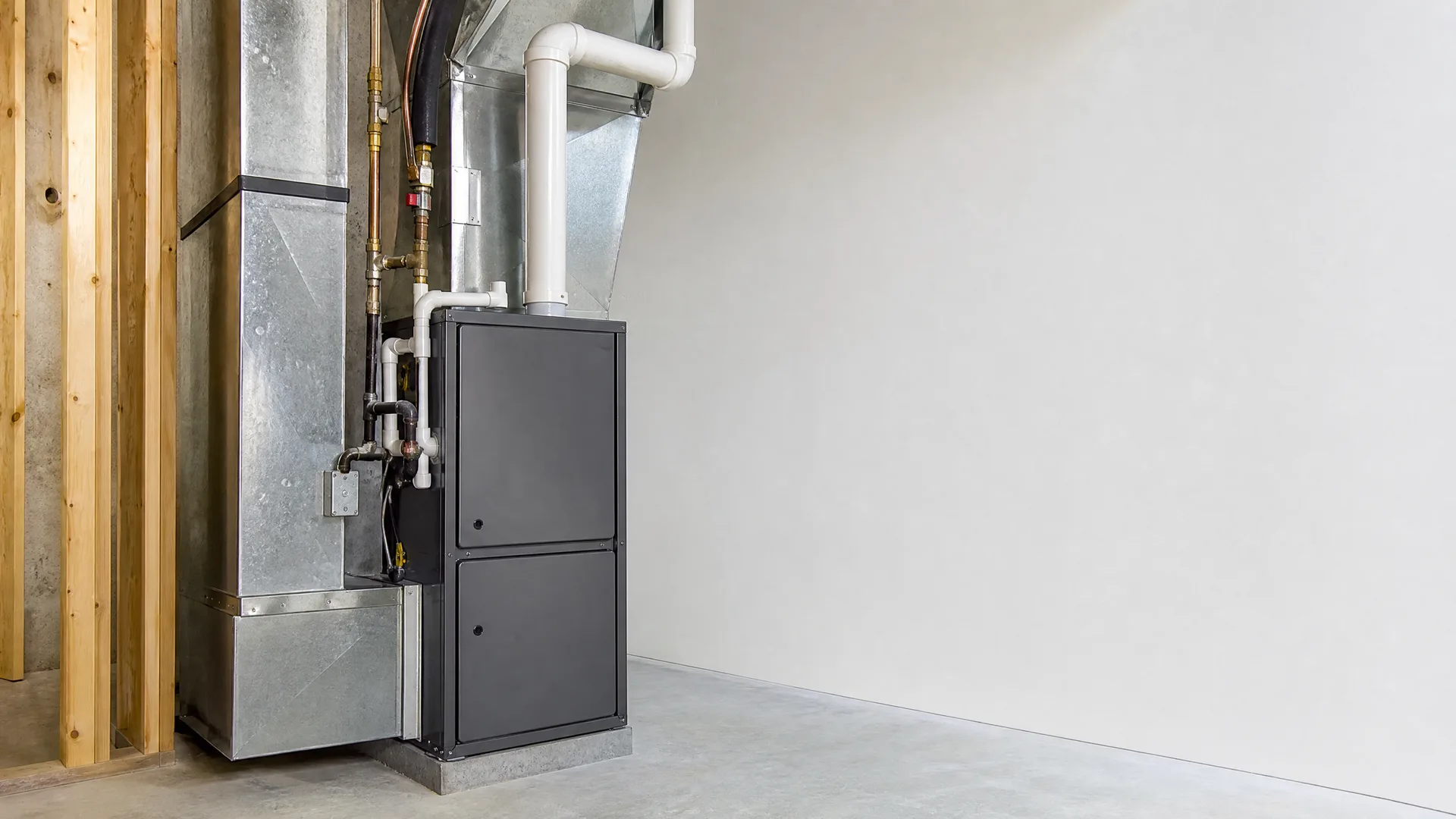
A dark gray furnace connected to galvanized sheet-metal ductwork, white PVC vent pipes and copper piping, standing against a plain light wall in a room with a bare concrete floor and exposed wood framing at left.

Why the igniter fails first

Most gas furnaces now use a hot surface igniter instead of a standing pilot. It is a thin strip that glows to light the burners each time the furnace calls for heat. That strip heats and cools dozens of times a winter, and the cycling eventually cracks it. When it fails, the furnace still runs its fan and goes through the motions, but no flame ever starts, so the house stays cold.

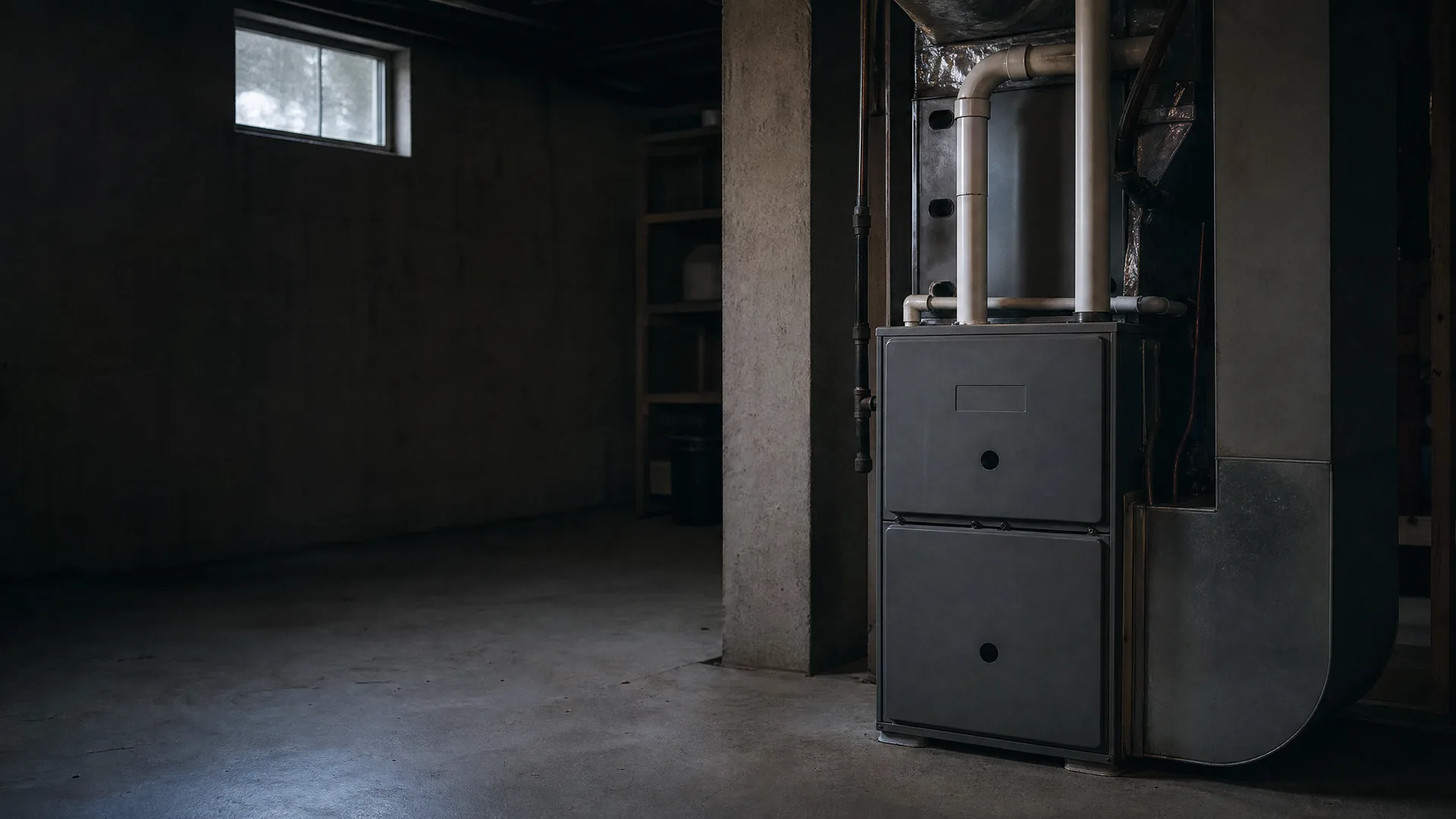
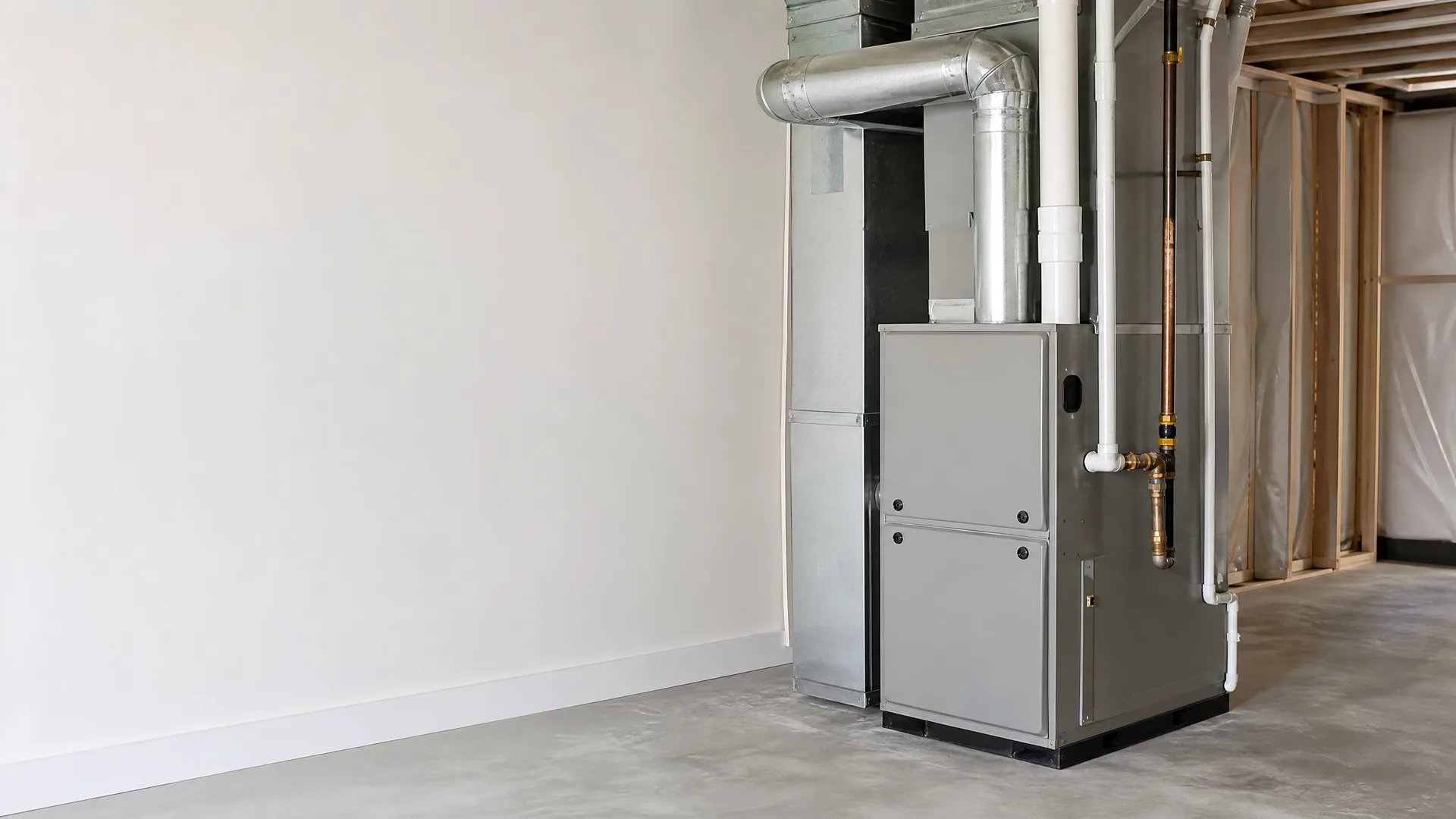
A gray high-efficiency furnace with sheet-metal ductwork, white PVC vent pipes and copper piping stands against a wall in an unfinished basement with a concrete floor and insulated wood stud framing at right.

What the limit switch protects against

A furnace also has a limit switch that watches the temperature inside the cabinet. If airflow is blocked, by a closed vent, a dirty filter, or a duct problem, heat builds up inside the furnace instead of moving through the house. The limit switch shuts the burners off before that heat does damage. It is doing its job correctly in that moment, but the result from your side is the same: a furnace that won't stay on or won't start at all.

Why does a furnace this cold-weather-dependent fail at the worst time?

  • Winter nights average 23°F

    Overnight lows average 23°F here in December, January and February, so a furnace that won't light leaves a house cold fast, not just chilly.

  • Heat runs October through April

    Heat runs from October through April in Jackson County, about seven months of nearly constant use that wears on an igniter and its connections.

  • 69.5% of homes heat with gas

    69.5% of homes here heat with gas, so a furnace problem is usually a gas or ignition issue, not something electrical alone.

NOAA nClimDiv 1991-2020 · ACS 2020-2024

Furnace trips the breaker

If the furnace trips the breaker every time it tries to start, the blower motor or the inducer motor is usually pulling too much current. This is not a reset-and-forget problem. Resetting the breaker again and again can damage the wiring or the motor further, and in a gas furnace it can mean the unit keeps trying to call for heat without completing ignition safely. A technician needs to test the motor and the circuit before the furnace runs again. Leave the breaker off and have it looked at rather than resetting it through the night.


Furnace runs, blows cold air

A furnace that runs but only blows cold air has usually failed somewhere after the call for heat goes out. It could be the igniter not glowing hot enough to light the burners, a flame sensor too dirty to detect the flame once lit, or a gas valve not opening. The blower keeps moving air through the ducts either way, so you still feel air coming from the vents. That air just never picked up any heat from the burners. This points to the ignition system, not the power supply, and it still needs a technician to find which part failed.

A gray-haired man in a dark long-sleeve shirt sits on a gray sofa in a living room, looking toward a sunlit window with sheer curtains.
A gray-haired man in a dark green sweatshirt sits on a sofa in a living room, looking toward a bright window, with a houseplant, lamp, fireplace and framed art behind him.
A gray-haired bearded man in a dark green collared sweater sits on a sofa in a living room with a window, houseplant, floor lamp and bookshelves, looking off to the side.
A gray-haired man in a dark green sweater sits on a sofa in a sunlit living room, looking off to the side, with a framed landscape painting, dining table and shelving behind him.

Your house doesn't hold heat on its own. Once the furnace stops firing, a Jackson County house can drop several degrees in an hour, faster if it's single-pane or the wind's up.

A night like that strains everything else, too. Space heaters pull hard on circuits not built for them, and pipes along outside walls start to risk freezing once the house settles into the cold.

Winter nights average 23°F

At 23°F, your furnace is working every night just to keep the house livable, not just comfortable. When it won't fire on a night that cold, there's no slow slide. You'll feel it within the hour.

NOAA nClimDiv 1991-2020

  1. Thermostat calls for heat and signals the control board

  2. Inducer motor starts and pulls air through the heat exchanger

  3. Pressure switch closes to confirm the inducer is running

  4. Hot surface igniter heats up to light the burners

What you're probably noticing right now

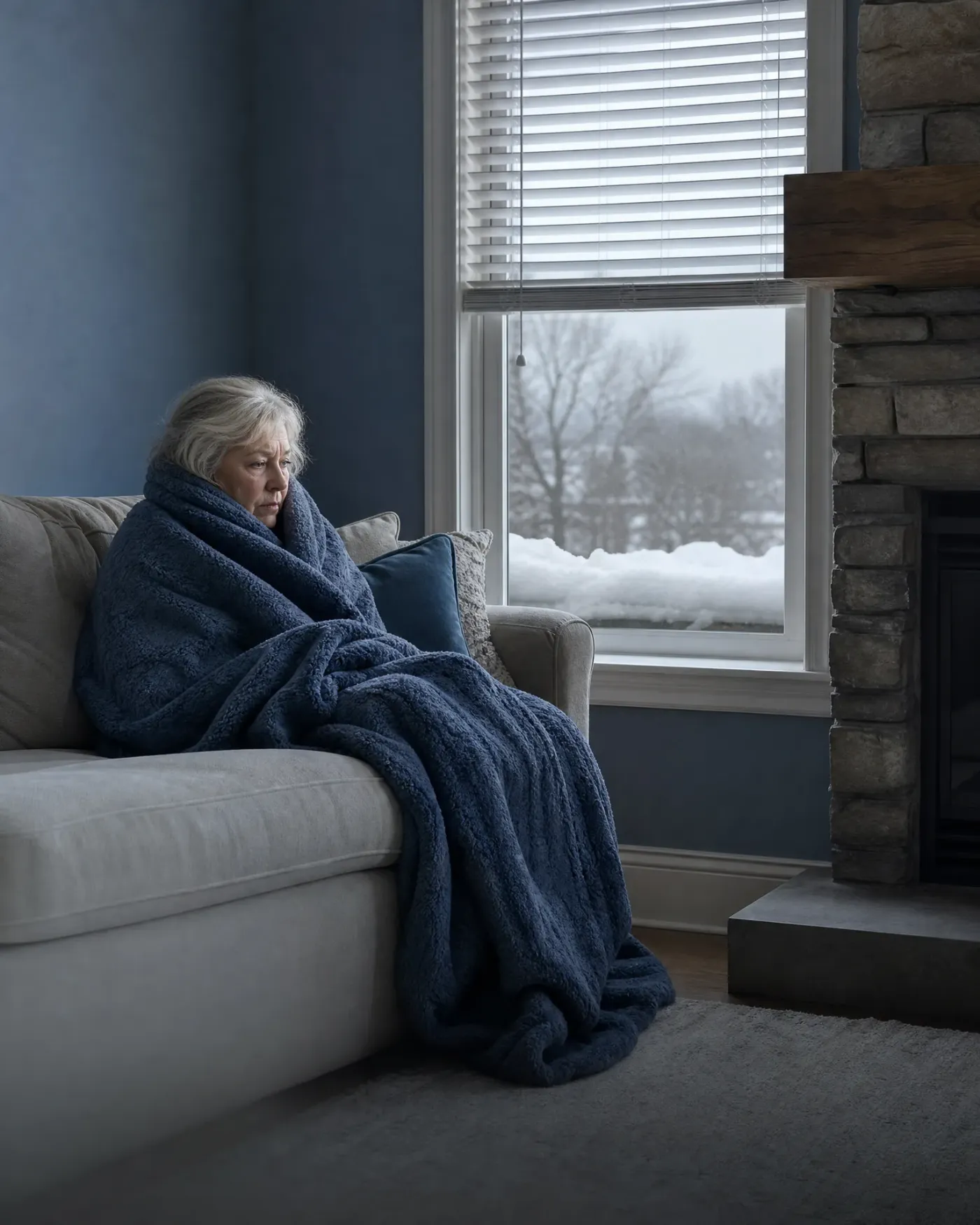
The thermostat shows the temperature you want, but no air moves and no warm air comes out of the vents. Maybe you hear a click or two and nothing after that. Maybe you hear the inducer motor try to start and then quit. Maybe the house is just quiet, no sound at all. You might notice the house has been losing a degree or two every so often since last night, the bedrooms feel colder than the thermostat reading suggests, and anyone sensitive to cold in the house, a baby, an older parent, is already uncomfortable before you've finished checking the breaker.

A gray furnace with sheet-metal ductwork, PVC vent pipes and a yellow gas line stands on a concrete basement floor beside wooden stair framing.

Furnace running right

This is what normal looks like: the inducer humming, the igniter glowing, burners lit blue behind the access panel. Gas line steady, flue pipe venting outside without a leak in sight, ductwork carrying warm air to every room. Nothing about it needs your attention, which is the point.

An older gas furnace with a louvered front panel stands on a concrete basement floor beside galvanized sheet-metal ductwork, a metal flue pipe, gas piping and a flexible conduit along a concrete wall.

Furnace gone quiet

No hum, no glow, no air moving through the ducts above it. The gas pipe and flex conduit are still connected, the cabinet still sealed up tight, but somewhere between the thermostat call and the burners lighting, something didn't happen. A licensed tech can trace exactly where that chain broke.

A beige furnace with a louvered front panel and metal ductwork stands on a concrete basement floor beside pipes and a white cylindrical water heater.
Before you get your furnace repair
A gray high-efficiency furnace in a basement with PVC venting pipes, a yellow gas line, metal ductwork, concrete walls and floor, and a wood-framed stairway at left.
After you get your furnace repair

Stop chasing a furnace pro

The pro who gets in touch is licensed in Missouri and works in Jackson County.

There's no charge for the request.

A gray high-efficiency furnace with white PVC vent pipes and attached ductwork stands beside a concrete support column in a dim, empty basement with bare concrete walls and floor and a small window.

It's just past six and already dark outside. You've been down in the basement for ten minutes, flashlight propped on a shelf, staring at a furnace that won't do anything. You tried the breaker once already. The air near the unit has that faint dusty smell it gets when it hasn't run in a while. No hum from the inducer, no click from the igniter, nothing. Upstairs you can hear the TV going like everything's normal, but you already know it's getting colder up there too. You crouch by the access panel a second time, like looking at it longer will change what you see. It doesn't.

Why does my furnace click but not light?

That clicking sound usually means the igniter or the control board is trying to start the furnace but something downstream is stopping it. You've probably opened the access panel and heard it repeat two or three times, maybe followed by the furnace shutting down altogether. It's a specific enough sound that it points to a handful of causes, not a mystery.

The clicks are the igniter or gas valve trying and failing to start the flame

That clicking is the sound of ignition being attempted, not a motor struggling. On an older furnace with a standing pilot, the clicking comes from the igniter trying to spark the pilot light and failing, often because the flame sensor is dirty or the gas valve isn't opening fully. On a furnace with a hot surface igniter, clicking usually means the igniter cracked or wore out and the control board keeps trying anyway. Either way, the furnace is built to stop after a few failed attempts rather than keep flooding the burners with gas. That shutoff is a safety feature working correctly, not a separate malfunction. It just means something upstream of the flame needs a closer look.

A middle-aged woman with shoulder-length dark hair, wearing a gray cardigan over a cream top, sits in an upholstered armchair and looks toward a sunlit window, with a shelf holding framed pictures and a plant behind her.
A woman with her hair in a bun sits wrapped in a beige knitted blanket on a couch, holding a sleeping child against her chest in a warmly lit room with a lamp and houseplant in the background.

Where this leaves you

  • A furnace that won't fire almost always comes down to power, gas, or the ignition sequence breaking somewhere in the middle.
  • A tripped breaker, a closed gas valve, or a dirty flame sensor explain most no-heat calls in Jackson County.
  • A furnace repair contractor who works on this equipment all winter knows which of those three to check first.
  • Getting matched with one local, licensed contractor means one phone ringing, not four companies competing for the job.
  • The sooner the ignition sequence gets checked, the sooner the house stops losing the heat it's already holding.
  • Once someone is on the way, the only thing left for you to do is let them in and point them to the basement.

Most furnaces that won't turn on are stuck on power, gas, or ignition. A breaker that won't hold, a gas valve that got bumped closed, or a flame sensor coated with just enough residue to read the flame as absent. None of that requires guessing. A contractor who works on furnaces all winter in Jackson County has likely already seen tonight's exact problem a dozen times this season, in a basement like yours, on a unit like yours. That's the advantage of getting matched with someone local instead of searching a list of names: they know the order to check things in, and they know which of the three usually turns out to be the answer when a furnace in this area quits in the middle of January.

Getting matched means one contractor calls, not four. No comparing quotes while the house keeps dropping degrees, no explaining the problem over and over to different companies. Just the one who's licensed, local, and already headed your way.

The house doesn't hold its heat once the furnace stops firing, and at 23 degrees overnight that shows up fast. The part that was keeping things warm either lost power, lost gas, or stopped lighting, and someone who does this every winter can find out which in a few minutes with the panel off. Once that call is made, the rest isn't yours to manage. Let them in, show them the basement, and let the furnace be someone else's problem for the night.

Aerial view over the shingled roof and stone chimney of a house with a dormer window, overlooking dense green trees, farm fields, and a river under a partly cloudy sky.

Hand off the furnace problem

Hand it over

You only hire the pro if you want to.

A furnace that won't light on a night in the 20s isn't something to sit with until morning. One request puts it in front of a local contractor who works on these systems all winter and already knows what usually stops them cold.